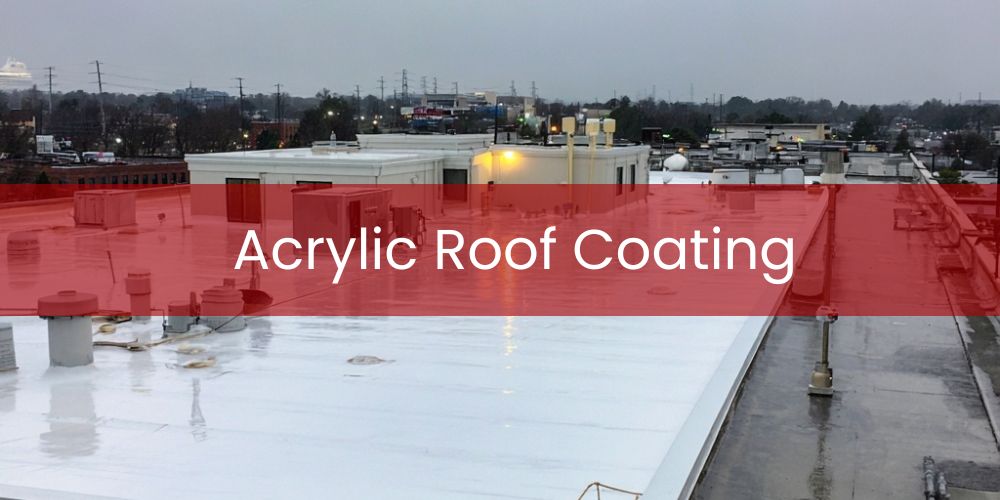
Acrylic roof coating is a fluid-applied roofing system designed to restore and protect existing commercial roofs by forming a seamless, reflective membrane once cured. It is commonly used to extend roof service life, reduce surface deterioration from UV exposure, and improve energy performance on properly drained flat and low-slope roofs. Commercial Roofing Washington DC provide fluid-applied acrylic roof coating services throughout Washington DC.
Acrylic roof coatings provide essential weather protection for Washington, DC roofs by offering excellent resistance to varying temperatures and precipitation common in the area. These coatings enhance durability against the humid summers and wet winters, reducing risks of leaks and roof damage for commercial properties in the region. Their reflective properties also help lower energy costs, making them a cost-effective solution for businesses looking to improve their building’s sustainability. Washington, DC experiences a climate with hot, humid summers and cold, potentially snowy winters, demanding robust roofing solutions for commercial properties. Acrylic coatings help bridge these seasonal extremes by offering flexibility, which prevents cracking in the cold, and reflectivity, which reduces heat absorption in summer. Regular inspections and maintenance are crucial to uphold their protective benefits, addressing minor issues before they escalate into costly repairs.
For commercial building owners and facility managers in Washington, DC, understanding the benefits of acrylic roof coatings can significantly impact their long-term maintenance strategy. Below, we’ll explore the advantages of acrylic coatings, discuss their effectiveness in DC’s unique climate, and provide insights into ensuring maximum protection and efficiency for your commercial roofs.
Why Is Acrylic Roof Coating Essential for Washington DC's Climate?
Acrylic roof coating is crucial for Washington DC due to its protective properties against varying weather conditions. DC's climate features both hot summers and cold winters, necessitating roofing solutions that can adapt to temperature fluctuations and prevent weather-related damage. Here are key reasons acrylic roof coating is essential for Washington DC's climate:
- UV Protection: Shields commercial roof membranes from accelerated sun-related degradation.
- Water Resistance: Reduces moisture exposure during DC’s frequent rainfall cycles.
- Temperature Regulation: Lowers rooftop heat stress during DC summers.
- Flexibility: Accommodates seasonal expansion and contraction common in DC’s climate.
- Cost Efficiency: Extends roof service life without full replacement in suitable DC applications.
1. UV Protection: Shields commercial roof membranes from accelerated sun-related degradation.
UV protection refers to the coating’s ability to reflect ultraviolet radiation that chemically and physically degrades commercial roofing membranes over time. In Washington DC, extended summer daylight hours, high solar intensity, and urban heat amplification accelerate oxidation and surface drying on flat and low-slope commercial roofs. Acrylic coatings significantly reduce UV exposure by reflecting solar radiation away from the roof surface, lowering membrane temperatures and slowing the breakdown of polymer chains within the roofing material. This protection preserves membrane flexibility, reduces surface chalking, and delays crack formation at seams and transitions. By limiting UV-driven deterioration, acrylic coatings help commercial roofs maintain waterproofing performance longer in DC’s demanding summer climate.
2. Water Resistance: Reduces moisture exposure during DC’s frequent rainfall cycles.
Water resistance refers to the coating’s ability to shed rainwater and limit prolonged surface wetting that accelerates roof material fatigue. Washington DC experiences frequent rainfall events, often followed by periods of high humidity that slow evaporation and extend moisture exposure. Acrylic coatings form a continuous, seamless surface that reduces direct water contact with the underlying membrane, limiting absorption at seams, fasteners, and minor surface defects. On properly sloped commercial roofs with functional drainage, this water-shedding capability reduces wet–dry cycling stress that leads to blistering and premature membrane aging. While acrylic coatings are not intended for roofs with chronic ponding, they are highly effective at protecting DC commercial roofs where water disperses within acceptable timeframes after storms.
3. Temperature Regulation: Lowers rooftop heat stress during DC summers.
Temperature regulation refers to the coating’s ability to reduce solar heat gain and moderate temperature extremes across the roofing system. In Washington DC, summer heat combined with humidity places sustained thermal stress on large commercial roof surfaces, particularly over offices, schools, warehouses, and government facilities. Acrylic coatings reflect solar radiation and lower rooftop temperatures, reducing daily thermal expansion and contraction cycles that weaken seams, fasteners, and flashing interfaces. This thermal moderation stabilizes roof components and slows fatigue-related failures that commonly develop during DC heat waves. Reduced rooftop heat also lowers interior cooling demand, improving HVAC efficiency and contributing to measurable energy savings in large commercial buildings.
4. Flexibility: Accommodates seasonal expansion and contraction common in DC’s climate.
Flexibility refers to the coating’s ability to stretch and recover without cracking as the roof system moves in response to temperature changes. Washington DC’s climate produces repeated thermal cycling between hot summers and cold winters, creating constant expansion and contraction across commercial roofing assemblies. Acrylic coatings remain elastomeric throughout their service life, allowing them to move with the roof substrate without losing adhesion or forming stress cracks. This flexibility is especially important on older commercial roofs where existing movement stress is already present at seams, penetrations, and transitions. By maintaining a continuous protective layer despite structural movement, acrylic coatings help prevent water intrusion caused by thermal stress fractures.
5. Cost Efficiency: Extends roof service life without full replacement in suitable DC applications.
Cost efficiency refers to achieving meaningful roof life extension and performance improvement at a significantly lower cost than full commercial roof replacement. In Washington DC, replacement costs are elevated due to labor rates, landfill disposal fees, permitting requirements, and restricted site access in dense urban areas. Acrylic coatings are commonly used as part of a roof restoration strategy when the existing membrane, insulation, and deck remain dry and structurally sound. By reinforcing the roof surface, improving reflectivity, and sealing minor defects, acrylic coatings delay replacement timelines while reducing energy expenses and repair frequency. When applied under appropriate conditions, this approach delivers strong lifecycle value for DC commercial property owners managing long-term capital planning.
Have a question about an upcoming project?
How Does Acrylic Roof Coating Enhance the Durability of Commercial Roofs in Washington DC?
Acrylic roof coating enhances the durability of commercial roofing systems in Washington DC by protecting roof surfaces from ultraviolet exposure, temperature fluctuation, and moisture-related wear driven by the region’s climate. DC’s combination of hot summers, frequent rainfall, high humidity, and seasonal thermal cycling accelerates surface degradation on flat and low-slope commercial roofs. When applied to roofs with proper drainage and structurally sound substrates, acrylic coatings function as a restorative protective layer that slows aging, improves performance, and delays replacement. The following factors explain how acrylic roof coatings contribute to long-term commercial roof durability in Washington DC.
- UV Protection Against Accelerated Membrane Degradation
- Water Resistance During Frequent DC Rainfall Cycles
- Temperature Regulation and Reduced Thermal Stress
- Flexibility Through Seasonal Expansion and Contraction
- Cost-Effective Durability Extension for DC Commercial Properties
1. UV Protection Against Accelerated Membrane Degradation
UV protection refers to the coating’s ability to reflect ultraviolet radiation that causes chemical and physical breakdown of commercial roofing membranes over time. In Washington DC, extended summer daylight hours, high solar intensity, and elevated rooftop temperatures accelerate oxidation, embrittlement, and loss of membrane elasticity on flat and low-slope commercial roofs. Acrylic coatings reflect a significant portion of UV radiation, reducing surface temperatures and slowing the rate of polymer degradation in the underlying roof system. This protection helps preserve membrane flexibility, reduces stress at seams and penetrations, and delays the onset of surface cracking that commonly precedes leaks and premature roof failure in DC’s climate.
2. Water Resistance During Frequent DC Rainfall Cycles
Water resistance refers to the coating’s ability to shed rainwater and limit prolonged moisture contact with roofing materials. Washington DC experiences frequent and often back-to-back rain events, particularly in spring and summer, which expose commercial roofs to repeated wet–dry cycles that accelerate material fatigue. Acrylic coatings create a continuous, seamless surface that promotes efficient water runoff on roofs with functional drainage systems. While acrylic coatings are not designed for roofs with chronic ponding, they are highly effective on properly sloped commercial roofs by reducing surface saturation, slowing moisture intrusion at seams and fasteners, and limiting the progression of water-related deterioration.
3. Temperature Regulation and Reduced Thermal Stress
Temperature regulation refers to controlling heat buildup at the roof surface to reduce thermal stress within the roofing system. In Washington DC, large commercial roofs absorb significant solar heat during summer months, driving daily expansion and nighttime contraction that weakens seams, fasteners, and flashing details over time. Acrylic coatings reflect solar energy and lower rooftop temperatures, reducing the amplitude of these thermal cycles. By moderating temperature extremes, acrylic coatings help stabilize roof assemblies, reduce fatigue at critical transition points, and contribute to longer membrane service life while also lowering interior cooling demand in conditioned commercial spaces.
4. Flexibility Through Seasonal Expansion and Contraction
Flexibility refers to the coating’s ability to stretch and recover as roofing materials move in response to temperature changes. Washington DC’s climate produces repeated seasonal and daily thermal cycling, with hot summers and cold winters placing constant movement stress on commercial roof systems. Acrylic coatings remain elastomeric after curing, allowing them to accommodate expansion and contraction without cracking, splitting, or losing adhesion. This flexibility is especially important on aging commercial roofs where existing movement stress is already present, helping maintain a continuous protective layer over seams, repairs, and surface irregularities.
5. Cost-Effective Durability Extension for DC Commercial Properties
Cost-effective durability refers to extending roof service life and performance without incurring the expense and disruption of full commercial roof replacement. In Washington DC, replacement costs are elevated due to labor rates, disposal fees, permitting requirements, staging limitations, and urban access constraints. Acrylic coatings are commonly used as part of a roof restoration strategy when the underlying membrane, insulation, and deck remain dry and structurally sound. When properly specified and applied, acrylic coatings delay replacement timelines, reduce energy consumption, minimize reactive leak repairs, and provide measurable lifecycle value for DC commercial property owners managing long-term capital planning.
When Is Acrylic Roof Coating the Right Solution for Commercial Buildings in Washington DC?
Acrylic roof coating is the right choice for commercial buildings in Washington DC when the existing roof system is structurally sound, properly drained, and showing surface-level wear rather than systemic failure. In DC’s climate, many commercial roofs deteriorate due to UV exposure, thermal cycling, and frequent rainfall long before full replacement is structurally necessary. Acrylic coatings are most effective as part of a planned roof restoration strategy that extends service life, improves energy performance, and defers replacement costs under the right conditions.
- Commercial Roofs With Adequate Drainage and Limited Ponding
- Roof Systems Showing Surface Wear but No Widespread Moisture Intrusion
- Buildings Seeking Energy Performance Improvements Without Full Replacement
- Properties Requiring Budget-Conscious Roof Life Extension
- Commercial Roofs Suitable for Ongoing Maintenance and Recoating Cycles
1. Commercial Roofs With Adequate Drainage and Limited Ponding
Commercial roofs with adequate drainage are roofing systems where water reliably evacuates through internal drains, scuppers, or tapered insulation without remaining ponded for prolonged periods. In Washington DC, frequent rain events place consistent moisture stress on low-slope commercial roofs, but many office buildings, schools, warehouses, and government facilities are designed to shed water within acceptable timeframes. Acrylic roof coatings perform effectively in these conditions because they form a seamless, water-shedding surface that reduces surface saturation and limits moisture contact with the underlying membrane. When drainage functions properly, acrylic coatings slow water-driven deterioration, reduce biological growth, and help preserve membrane integrity. Roofs that experience chronic standing water may require silicone-based systems instead, but where drainage is functional, acrylic coatings provide dependable long-term protection in DC’s rainfall-heavy climate.
2. Roof Systems Showing Surface Wear but No Widespread Moisture Intrusion
Commercial roof systems showing surface wear but no widespread moisture intrusion are ideal candidates for acrylic roof coating. In Washington DC, prolonged UV exposure, humidity, and thermal cycling often cause surface cracking, coating erosion, and membrane oxidation long before insulation or decking becomes compromised. Acrylic coatings are most effective when applied after moisture testing confirms that the roof assembly remains dry and structurally sound beneath the surface. When used under these conditions, acrylic coatings restore UV protection, seal micro-cracks, and prevent further environmental exposure without concealing deeper failures. This makes acrylic an effective solution for extending roof service life while avoiding the risk of trapping moisture within the system, which is especially important in DC where slow drying conditions can worsen hidden saturation issues.
3. Buildings Seeking Energy Performance Improvements Without Full Replacement
Commercial buildings seeking energy performance improvements without full roof replacement benefit significantly from acrylic roof coating systems. Energy performance improvement refers to reducing heat gain at the roof surface to lower HVAC demand and stabilize interior temperatures. In Washington DC, hot and humid summers place sustained strain on cooling systems, particularly in large conditioned spaces such as offices, schools, multifamily buildings, and municipal facilities. Acrylic coatings reflect solar radiation, lowering rooftop temperatures and reducing heat transfer into the building. This results in reduced cooling loads, improved occupant comfort, and measurable energy savings without the disruption, permitting complexity, or cost associated with full roof replacement. For DC properties subject to energy benchmarking and performance targets, acrylic coatings provide a practical path to improved efficiency.
4. Properties Requiring Budget-Conscious Roof Life Extension
Properties requiring budget-conscious roof life extension are commercial assets where continued roof performance is necessary but immediate replacement is financially impractical. In Washington DC, commercial roof replacement costs are elevated due to high labor rates, disposal fees, permitting requirements, and limited urban access for staging and equipment. Acrylic roof coatings offer a lower-capital alternative by stabilizing the existing roof system, addressing surface deterioration, and reducing ongoing maintenance demands. When properly applied to a suitable roof, acrylic coatings delay replacement timelines by several years, allowing owners to plan capital expenditures strategically rather than reacting to emergency failures. This makes acrylic coatings especially valuable for portfolio owners, nonprofit facilities, and public-sector buildings operating under strict budget constraints.
5. Commercial Roofs Suitable for Ongoing Maintenance and Recoating Cycles
Commercial roofs suitable for ongoing maintenance and recoating cycles are systems managed with a long-term preservation strategy rather than a run-to-failure approach. Acrylic roof coatings are designed to be maintained and periodically renewed, making them well-suited for DC commercial properties with active facility management programs. In Washington DC’s climate, routine inspections, drainage checks, and targeted recoating of high-wear areas are essential to sustained performance. Acrylic systems allow worn areas to be refreshed without removing the entire coating or membrane, extending service life incrementally. When integrated into a structured maintenance plan, acrylic coatings can deliver multiple life extensions, maximizing return on investment before full replacement becomes necessary.
Need Help With Acrylic Roof Coating In Washington DC?
If your commercial roof is actively leaking, showing signs of surface wear, or approaching the end of its service life, now is the time to act before minor issues become costly failures. If you are unsure whether restoration is viable or replacement is inevitable, a professional assessment can give you clarity and options based on your roof’s condition and your budget. And if you simply want expert guidance on how to extend roof life, reduce energy costs, or plan responsibly for the future, our team is here to help. Contact Commercial Roofing Washington DC to schedule an inspection and get straightforward, expert advice tailored to your building and goals.