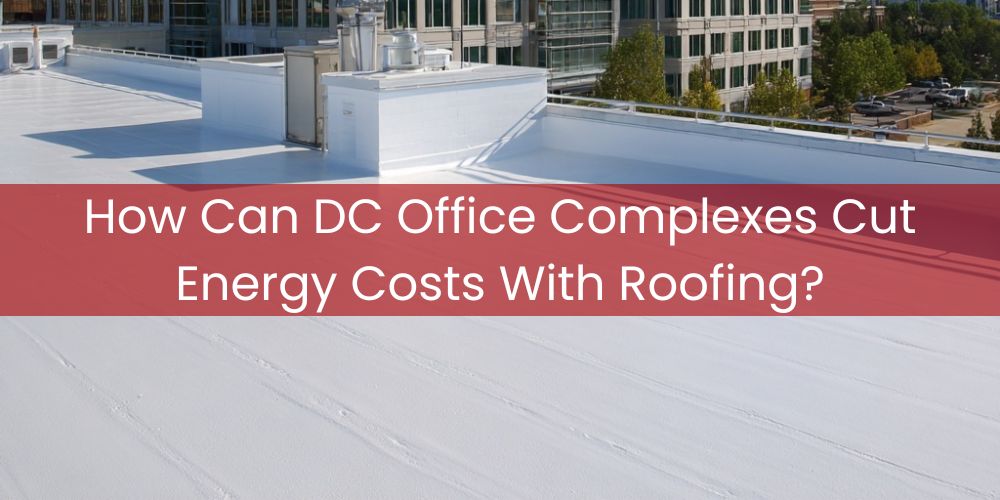
In Washington DC, office complexes can cut energy costs by installing cool roofs, which reflect more sunlight and absorb less heat compared to traditional roofs. The reflective materials used in cool roofs help to reduce the urban heat island effect, which is a significant issue in densely built areas like Washington DC. By maintaining a lower roof temperature, these systems can also decrease the demand for air conditioning, ultimately leading to substantial savings in energy bills for office buildings in the capital. For DC office building owners and facility managers, exploring roofing options that offer both cost savings and energy efficiency is essential to remain competitive and sustainable.
Commercial Roofing Washington DC works extensively with office complexes and multi-tenant commercial buildings throughout Washington DC and the Mid-Atlantic region. We understand the unique challenges office properties face, including large roof footprints, occupied buildings, energy efficiency demands, and the need to minimise disruption to daily operations. Our team delivers tailored roofing solutions for office complexes, including repairs, maintenance programs, energy-efficient upgrades, and full roof replacements designed to improve performance, extend roof lifespan, and support long-term cost control. Every project is approached with careful planning, clear communication, and a focus on maintaining a safe, professional environment for tenants and staff. Below, we’ll analyze the benefits of cool roofing in more detail and provide practical guidance on implementing these systems for maximum impact in Washington DC’s unique climate.
What Role Does Roofing Play in Energy Efficiency for Office Complexes?
Roofing significantly impacts office energy efficiency by influencing heating and cooling costs through reflectivity and insulation. In commercial buildings, roofs can be designed and treated with materials that enhance energy efficiency and contribute to reduced operational costs. These benefits result from the roof's ability to control the building's internal climate, minimize heat absorption, and improve overall energy performance. There are several ways roofing contributes to energy efficiency in office complexes:
- Reflective Coatings: Minimize heat absorption and reduce cooling costs in office spaces.
- Insulation: Provides effective thermal resistance, reducing energy consumption for heating and cooling.
- Durability: Ensures longevity and sustained energy efficiency benefits over time.
- Ventilation: Enhances airflow, reducing heat buildup and diminishing reliance on air conditioning.
- Sustainable Materials: Incorporate environmentally friendly options, boosting energy efficiency and reducing carbon footprint.
1. Reflective Coatings: Minimize heat absorption and reduce cooling costs in office spaces.
Reflective coatings use materials that reflect more sunlight and absorb less heat. By decreasing the amount of solar energy absorbed, these coatings help keep building interiors cooler. This reduces the demand on HVAC systems and leads to lower cooling costs and energy consumption. In warm climates or summer months, reflective coatings can make a significant difference in maintaining comfortable indoor temperatures, enhancing workplace productivity, and extending the lifespan of the roof itself.
2. Insulation: Provides effective thermal resistance, reducing energy consumption for heating and cooling.
Insulation in roofing systems acts as a barrier to heat flow. It helps keep indoor temperatures stable by reducing heat loss in the winter and minimizing heat gain in the summer. Properly insulated roofs decrease the reliance on heating and cooling systems, which leads to significant energy savings. Choosing the right type of insulation material is crucial for maximizing energy efficiency and ensuring the comfort of building occupants.
3. Durability: Ensures longevity and sustained energy efficiency benefits over time.
Durability refers to the roof's ability to withstand environmental stresses without degrading. A durable roofing system maintains its energy-efficient properties over time, reducing the frequency of repairs or replacements. This longevity translates to cost savings in maintenance and energy expenses. Investing in high-quality materials and proper installation is essential to achieving a roof that remains effective and efficient throughout its lifespan.
4. Ventilation: Enhances airflow, reducing heat buildup and diminishing reliance on air conditioning.
Ventilation in a roofing system promotes air circulation to manage moisture and heat levels. Proper roof ventilation helps prevent heat buildup, which can reduce the need for artificial cooling solutions. This aspect of roofing design is critical for energy efficiency as it directly impacts internal climate control needs. Effective ventilation systems have the added benefit of extending the life of roofing materials by reducing thermal stress and preventing condensation-related issues.
5. Sustainable Materials: Incorporate environmentally friendly options, boosting energy efficiency and reducing carbon footprint.
Sustainable materials are selected for their lower environmental impact during production and use. Using environmentally friendly roofing options can enhance a building’s energy efficiency while reducing its overall carbon footprint. These materials often offer superior insulation or reflective properties and can be part of broader sustainable building certifications. Adopting such materials reflects a commitment to environmental responsibility and energy efficiency, aligning with modern expectations for corporate sustainability.
Have a question about an upcoming project?
Which Roofing Materials Are Most Effective for Reducing Energy Costs?
Reducing energy costs in commercial buildings starts with selecting roofing systems that limit heat gain, support insulation performance, and reduce HVAC demand during peak conditions. In Washington DC and the Mid-Atlantic region, energy-efficient commercial roofing systems are typically designed to manage summer heat, improve thermal performance on large roof surfaces, and meet modern energy or sustainability requirements. The most effective solutions focus on reflective membranes, durable assemblies, and system upgrades that enhance long-term performance rather than surface-level material choices. Below are the most effective commercial roofing systems for reducing energy costs, organised by practical impact and frequency of use in commercial applications.
- Cool Roof Systems
- Single-Ply Roofing Membranes (TPO, PVC, EPDM)
- Metal Roofing Systems
- Built-Up Roofing (BUR) and Modified Bitumen Systems
- Commercial Roof Coating Systems
1. Cool Roof Systems
Cool roof systems are engineered to reflect a high percentage of incoming solar radiation while efficiently releasing absorbed heat, reducing the amount of thermal energy transferred into the building. On large commercial roof surfaces, this reduction in heat gain plays a direct role in lowering interior temperatures, decreasing cooling demand, and reducing peak HVAC loads during periods of high summer heat. In Washington DC and across the Mid-Atlantic, where buildings experience prolonged warm seasons combined with urban heat island effects, cool roofs are commonly specified to manage rooftop temperatures and support energy-performance objectives. Cool roof performance is typically achieved through high-reflectance roof coatings, white or light-coloured single-ply membranes, and engineered roofing surfaces tested for solar reflectance and thermal emittance. These systems are frequently selected to align with local energy codes, sustainability initiatives, and long-term operating cost reduction strategies.
2. Single-Ply Roofing Membranes (TPO, PVC, EPDM)
Single-ply roofing membranes are among the most widely used energy-efficient solutions for commercial low-slope roofs due to their performance consistency, installation efficiency, and compatibility with modern insulation assemblies. TPO and PVC membranes are manufactured with reflective surfaces that limit solar heat absorption, helping to reduce rooftop temperatures and improve overall building energy performance. When properly integrated with insulation layers designed to meet current thermal standards, single-ply systems provide effective temperature control, lower energy consumption, and reliable long-term durability. EPDM membranes, while typically darker, can also contribute to energy efficiency when paired with reflective coatings or insulation upgrades. These systems are commonly installed on commercial office buildings, retail facilities, warehouses, and institutional properties throughout the Mid-Atlantic region due to their balance of performance, cost control, and maintainability.
3. Metal Roofing Systems
Commercial metal roofing systems provide strong energy-efficiency benefits due to their inherent reflectivity and their ability to accept specialised coatings that further reduce heat absorption. When correctly specified and installed, metal roofs can significantly limit solar heat gain, particularly on large commercial structures with expansive roof areas. Their long service life and resistance to environmental exposure make them well-suited for facilities seeking long-term operational efficiency rather than short-term cost savings. In addition to reflectivity, metal roofing systems allow for ventilation design considerations and coating applications that enhance thermal performance over time. These characteristics make metal roofing a practical energy-efficient option for industrial facilities, commercial complexes, and institutional buildings across Washington DC and the Mid-Atlantic.
4. Built-Up Roofing (BUR) and Modified Bitumen Systems
Built-up roofing and modified bitumen systems remain common across existing commercial buildings and can contribute to improved energy performance when paired with reflective surfacing or roof coating systems. While these assemblies are not inherently reflective, their multi-layer construction provides durability and impact resistance, making them suitable candidates for energy upgrades without full system replacement. By applying reflective coatings or upgrading surfacing materials, BUR and modified bitumen roofs can reduce heat absorption and improve rooftop thermal behaviour. This approach is often used in Washington DC and the Mid-Atlantic as a practical method for extending roof lifespan, enhancing energy performance, and controlling costs on aging commercial roof systems.
5. Commercial Roof Coating Systems
Commercial roof coating systems play a critical role in improving the energy performance of existing roof assemblies by enhancing reflectivity and reducing surface temperatures. When applied over compatible roof substrates, reflective coatings create a continuous protective layer that limits heat gain, reduces thermal cycling, and helps stabilise interior temperatures. In addition to energy benefits, coating systems extend roof service life by protecting underlying materials from UV exposure, moisture, and environmental wear. Coatings are frequently selected as a cost-effective solution for improving energy efficiency while postponing full roof replacement, particularly on large commercial facilities where replacement costs and operational disruption would otherwise be significant.
How Can Maintenance and Upgrades Enhance Roofing's Energy Efficiency?
Regular maintenance and strategically planned upgrades can significantly enhance a roof's energy efficiency, reducing energy costs. By addressing issues like leaks, wear, and insulation gaps, better energy retention is achieved, and upgraded materials can provide better reflective and insulating properties. This not only benefits the environment but also translates into financial savings for businesses due to reduced utility bills. Outlined below are crucial strategies to enhance your commercial roof's energy efficiency through maintenance and upgrades:
- Regular Inspections: Identify damage that can compromise energy efficiency.
- Reflective Coatings: Reduce heat absorption by reflecting UV rays.
- Insulation Upgrades: Improve thermal resistance and reduce heat transfer.
- Sealing Leaks: Prevent air leaks that can lead to energy loss.
- Sustainable Material Use: Employ eco-friendly materials for better energy efficiency.
1. Regular Inspections: Identify damage that can compromise energy efficiency.
Regular inspections involve checking the entire roofing system for signs of wear, damage, or inefficiency. Conducting regular inspections helps in identifying damages such as cracks or punctures that can affect a roof’s performance. By finding these issues early, the energy efficiency of the roof is preserved as repairs can prevent energy loss. Frequent inspections also ensure that small issues do not snowball into major problems that require costly repairs, ultimately safeguarding both the roof's integrity and your budget.
2. Reflective Coatings: Reduce heat absorption by reflecting UV rays.
Reflective coatings are materials applied to roofing to reflect sunlight and decrease heat absorption. These coatings play a vital role in reducing the amount of heat the building absorbs, which directly affects cooling costs. When applied, they lower the building’s overall energy use by making it easier and cheaper to maintain a consistent indoor temperature. Furthermore, reflective coatings can also extend the life of the roof by protecting it from the damaging effects of prolonged UV exposure.
3. Insulation Upgrades: Improve thermal resistance and reduce heat transfer.
Insulation upgrades involve enhancing the thermal barrier of your roof to better manage heat flow. By upgrading insulation, the building's ability to retain heat in winter and reflect it in summer is improved, thus saving energy on heating and cooling systems. Effective insulation keeps the indoor environment comfortable year-round while reducing the strain on HVAC systems. Modern insulation materials offer not only improved performance but also contribute towards sustainable building practices by reducing carbon footprints.
4. Sealing Leaks: Prevent air leaks that can lead to energy loss.
Sealing leaks involves finding and fixing any breaches in the roof to prevent energy escape. A well-sealed roof ensures that conditioned air stays within the building while external air is kept out, maintaining energy efficiency. By preventing leaks, you ensure that HVAC systems do not have to work as hard, consequently reducing energy consumption. Sealed roofs also protect the building structure from damage caused by unwanted moisture, ensuring longevity and reduced maintenance costs.
5. Sustainable Material Use: Employ eco-friendly materials for better energy efficiency.
Sustainable material selection in commercial roofing focuses on long-term performance, energy efficiency, and lifecycle cost reduction rather than surface-level environmental claims. Modern commercial roofing systems achieve sustainability through high-performance membranes, upgraded insulation assemblies, and restoration solutions which extend roof service life without full replacement. Reflective roofing membranes and coatings help reduce heat gain during warmer months, while durable materials minimise repair frequency and waste over time. By prioritising longevity, energy performance, and reduced tear-off requirements, sustainable commercial roofing solutions support operational efficiency and align with modern building performance standards.
Need Help Cutting Energy Costs With Your Office Roofing?
Rising energy costs often start at the roof. Outdated or inefficient office roofing systems can lead to heat loss, poor insulation, and unnecessary strain on HVAC systems. Our team specialises in energy-efficient roofing solutions that help office buildings reduce energy consumption, improve interior comfort, and lower long-term operating costs. Contact Commercial Roofing Washington DC today to discuss energy-efficient roofing options for your office complex and start reducing your energy expenses.