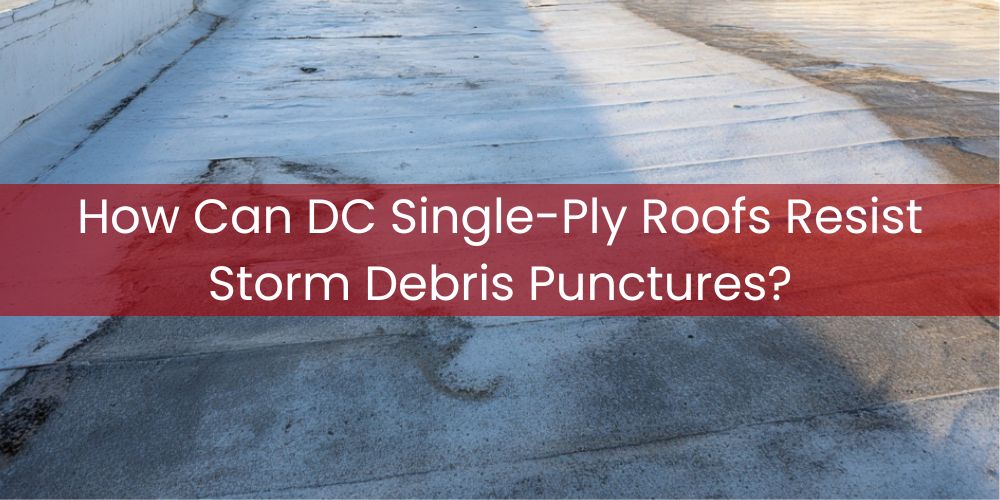
Single-ply roofs in Washington, DC resist storm debris punctures mainly through the use of reinforced membranes and additional protective layers. These materials, often made from thermoplastic or thermoset compounds, are designed to offer flexibility and durability, enabling them to absorb impacts better. Structurally, they can also be layered with fabric reinforcements or additional insulation that enhance their ability to withstand punctures caused by flying debris during storms. Storms in the DC area can bring sudden and intense weather conditions, including high winds and heavy rains, which increase the risk of debris impact on commercial roofs. To counteract this, options like reinforced TPO or EPDM membranes add an extra layer of protection against punctures from branches or other wind-carried materials. Regular maintenance checks and reinforcements are recommended to ensure the roof stays in optimal condition, preserving the long-term integrity of the building. For Washington, DC commercial building owners and facility managers, ensuring a roof can withstand storm debris is crucial for protecting assets and maintaining operational continuity.
Commercial Roofing Washington DC provides comprehensive single-ply roofing services for commercial properties throughout Washington DC and the Mid-Atlantic region. Our team works with all major single-ply systems, including TPO, PVC, and EPDM, offering installation support, routine maintenance, and targeted repairs before and after severe weather events. While single-ply roofing systems deliver excellent energy efficiency and flexibility, they are particularly vulnerable to punctures caused by wind-driven debris during storms. Our proactive maintenance and post-storm inspection services are designed to identify membrane damage early, prevent moisture intrusion, and restore system integrity before minor punctures develop into costly leaks. Below, we’ll delve into the specifics of how single-ply roofing systems offer enhanced durability, discuss various materials and techniques available, and provide tips to optimize roof longevity in the storm-prone Washington, DC area.
What makes single-ply roofs a popular choice for commercial buildings?
Single-ply roofing systems are popular due to their durability, cost-effectiveness, and ease of installation. These membranes offer excellent weather resistance and can be tailored to provide energy efficiency, making them a practical solution for many commercial properties. Additionally, their lightweight design and versatility to fit various structural needs contribute to their widespread use in commercial settings. Below is a list outlining key reasons why single-ply roofs are a favored option for commercial buildings:
- Durability: Long-lasting and resistant to various weather conditions.
- Cost-Effectiveness: Economical installation and maintenance compared to other roofing systems.
- Ease of Installation: Quick and flexible installation process.
- Energy Efficiency: Able to reflect UV rays and reduce energy consumption.
- Versatility: Adaptable to different building designs and structural requirements.
1. Durability: Long-lasting and resistant to various weather conditions.
Durability refers to the ability of a roofing material to withstand wear, pressure, or damage. Single-ply membranes are designed to resist harsh environmental factors such as UV radiation, rain, and wind. This resilience extends the roof’s lifespan, making it a reliable choice for long-term use. For commercial buildings, having a durable roof means fewer repairs and disruptions to business operations. The long-term durability of single-ply roofing can lead to significant savings in repair and replacement costs over time.
2. Cost-Effectiveness: Economical installation and maintenance compared to other roofing systems.
Cost-effectiveness means providing good value relative to the cost incurred. Single-ply roofs are known for their lower initial installation costs and minimal maintenance requirements. This makes them an economical option, especially for budget-conscious commercial building owners. Because these roofs require fewer materials and labor for installation, businesses can keep upfront expenses low. Additionally, their durability reduces long-term maintenance and repair costs, enhancing their overall cost efficiency.
3. Ease of Installation: Quick and flexible installation process.
Ease of installation refers to the simplicity and speed with which a roofing system can be applied. Single-ply roofing systems are typically lightweight and composed of large sheets, which facilitates a quicker installation process. This trait is particularly beneficial for commercial projects with tight deadlines. The ease of installing single-ply roofs reduces downtime for businesses and can help ensure that construction schedules remain on track. This flexibility can also accommodate complex building designs that might be challenging for other roofing types.
4. Energy Efficiency: Able to reflect UV rays and reduce energy consumption.
Energy efficiency describes the ability of a roofing system to minimize energy consumption. Single-ply roofs can be treated with reflective coatings that increase their albedo, thereby reducing heat absorption. This reflective quality helps to lower cooling costs for commercial buildings. By reflecting more sunlight, single-ply roofing can significantly reduce the demand for air conditioning in warm climates. This not only cuts energy expenses but also supports initiatives for greener, more sustainable building operations.
5. Versatility: Adaptable to different building designs and structural requirements.
Versatility refers to the ability to accommodate a wide range of applications or purposes. Single-ply roofing systems come in different types, such as TPO, PVC, and EPDM, allowing them to be tailored to specific requirements. This flexibility is advantageous for commercial buildings with unique design considerations. The material can be easily molded and applied to different slopes and types of roof architecture, providing architects and contractors with the creative freedom to design efficient and aesthetically pleasing solutions.
Have a question about an upcoming project?
How is the durability of single-ply roofs assessed against storm debris?
The durability of single-ply roofs against storm debris is primarily assessed through impact resistance tests. These tests evaluate how well the roofing material can withstand blows from flying objects during storms, which is essential for determining long-term performance. Understanding how single-ply roofs respond to storm debris is crucial for ensuring the protection and longevity of a commercial roofing installation. To effectively evaluate the durability of single-ply roofs, consider the following factors:
- Impact Resistance: Assessed through simulated tests using projectiles mimicking storm debris.
- Material Flexibility: Importance of material elasticity in absorbing impacts without damage.
- Seam Strength: Crucially determines roof integrity when struck by debris.
- Installation Quality: Properly installed membranes exhibit enhanced resilience to storm impacts.
- Aging and Weathering: Consideration of how aging affects resistance to debris impacts.
1. Impact Resistance: Assessed through simulated tests using projectiles mimicking storm debris.
Impact resistance measures a roofing material's ability to withstand forces without undergoing damage. This property is critical when evaluating single-ply roofs because storms can generate airborne debris with significant force. To assess this, roofing materials undergo standardized tests like the FM 4470 or ASTM D3746, where projectiles emulate the impact of storm debris. These tests help manufacturers develop roofs that maintain integrity in challenging weather conditions, ensuring safety and preventing costly repairs.
2. Material Flexibility: Importance of material elasticity in absorbing impacts without damage.
Material flexibility refers to a roof's ability to flex and bend without breaking. For single-ply roofs, flexibility is vital as it allows the material to absorb and disperse the energy from impacts, reducing the likelihood of punctures and tears. This property is often evaluated alongside impact resistance, with materials like TPO and PVC known for excellent flexibility. Manufacturers enhance flexibility through specialized formulations and additives, aiming to create a durable product that performs well in severe weather scenarios.
3. Seam Strength: Crucially determines roof integrity when struck by debris.
Seam strength is the ability of roof seams to hold together when subjected to stress. Strong seams are essential for maintaining the continuous protective barrier single-ply roofs provide against water infiltration. Manufacturers test seam strength by simulating forces that occur during storms, ensuring that the seams do not come apart under pressure. This focus on seam strength leads to innovations in seaming techniques and adhesives that withstand extreme conditions, further enhancing a roof's durability against storm debris.
4. Installation Quality: Properly installed membranes exhibit enhanced resilience to storm impacts.
Installation quality refers to how well a roofing system is put in place to meet performance expectations. Even the best materials can underperform if not installed correctly, making high-quality installation practices critical for durability. Professional installers follow rigorous protocols, ensuring accurate seam welding and secure attachment methods. A well-installed single-ply roof is less likely to be compromised by storms, offering a longer service life and better protection for the building underneath.
5. Aging and Weathering: Consideration of how aging affects resistance to debris impacts.
Aging and weathering refer to how a material degrades over time due to environmental exposure. As single-ply roofs age, their resistance to storm debris may diminish, causing concern for long-term durability and performance. Manufacturers test materials over simulated aging scenarios to predict and improve their lifespan and storm resistance. By understanding these effects, property managers can schedule timely inspections and maintenance, enhancing the roof's ability to withstand storm debris year after year.
What are the best practices for maintaining single-ply roofs to increase puncture resistance?
Regular inspections, prompt repairs, and maintenance of surrounding areas enhance single-ply roof puncture resistance. Implementing a comprehensive maintenance plan is crucial for the longevity and durability of single-ply roofing systems. The plan should address potential threats and vulnerabilities specific to the roofing material and its expected environmental conditions. Here are the top five best practices to ensure a single-ply roof maintains its puncture resistance:
- Regular Inspections: Identify issues early before they become major problems.
- Prompt Repairs: Address all detected roof damages immediately.
- Protective Walkway Installation: Install walkways to minimize direct contact with the roof surface.
- Debris Removal: Keep the roof clear of debris to prevent surface damage.
- Professional Maintenance: Engage trained professionals for regular maintenance and repair work.
1. Regular Inspections: Identify issues early before they become major problems.
Regular inspections involve systematically examining the roof for signs of wear and damage. By identifying issues early, building owners can prevent small problems from escalating into major repairs. Punctures or tears can be caught before water intrusion or structural damage occurs. Establish a schedule for inspections, ideally twice a year, after severe weather events, or if structural changes occur. This practice helps in timely detection of weak spots and extends the roof's lifespan.
2. Prompt Repairs: Address all detected roof damages immediately.
Prompt repairs are the immediate correction of identified issues to prevent further damage. When roof damages such as punctures and tears are repaired quickly, it prevents water infiltration and structural compromise. This ensures the roof remains in top condition, maintaining its puncture resistance. Respond to inspection findings without delay, choosing quality materials and methods to restore the integrity of the single-ply roofing system.
3. Protective Walkway Installation: Install walkways to minimize direct contact with the roof surface.
Walkways shield the roof surface from foot traffic and mechanical damage. Heavy foot traffic can cause punctures or wear to the roof membrane, undermining its performance. Walkways help distribute loads and reduce direct pressure on the roofing surface. Use durable materials for walkways, ensuring proper installation. Routinely check transitions between walkways and the roof for signs of stress or damage.
4. Debris Removal: Keep the roof clear of debris to prevent surface damage.
Debris removal involves clearing the roof of leaves, branches, and other accumulated materials. Debris can trap moisture, causing membrane deterioration and leading to punctures. It also facilitates mold growth and attracts pests that cause additional damage. Implement a consistent cleaning schedule, ensuring thorough removal of debris, especially following storms or seasonal changes when debris is most prevalent.
5. Professional Maintenance: Engage trained professionals for regular maintenance and repair work.
Utilizing skilled professionals ensures maintenance is performed to high standards and with current practices. Trained professionals are equipped to detect issues that untrained eyes might miss, thus preserving the roof's structural integrity and puncture resistance. They apply tested techniques and high-quality materials during repairs. Partner with reputable roofing services that have experience with single-ply systems. This enhances the effectiveness of preventative measures and extends the roof's lifespan.
Need to Protect Against or Repair Storm Debris Punctures on a Single-Ply Roof?
Storm debris can compromise single-ply roofing membranes quickly, leading to leaks and interior damage if not addressed promptly. Our experienced team provides fast inspections, precise puncture repairs, and protective solutions to safeguard single-ply roofs across Washington DC and the Mid-Atlantic region. Contact Commercial Roofing Washington DC today for expert single-ply roof repair and storm damage protection.