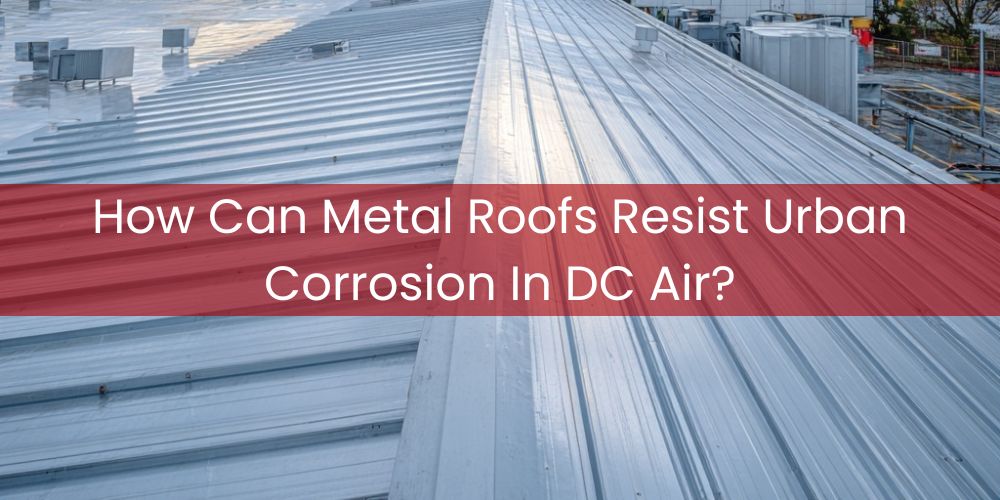
Metal roofs in Washington, DC can resist urban corrosion due to their coatings and alloys, which are specifically designed to withstand pollutants and humidity prevalent in the city's air. Washington, DC's climate features hot, humid summers and variable winters, which can exacerbate urban corrosion, but metal roofs coated with protective layers can mitigate these effects. Additionally, alloys such as zinc or copper not only prevent rust but also interact less with sulfur compounds and other industrial pollutants prevalent in urban environments. For property owners and facility managers in Washington, DC, understanding the anti-corrosive properties of metal roofs is essential for maintaining the structural integrity and longevity of commercial buildings.
Commercial Roofing Washington DC provides specialised metal roof coating services designed to protect metal roofing systems from corrosion and extend their service life across Washington DC and the Mid-Atlantic region. While metal roofs are known for durability and longevity, they are particularly vulnerable to corrosion in polluted urban environments, where airborne contaminants, moisture, and temperature fluctuations accelerate metal deterioration. Our coating systems create a protective barrier that seals exposed metal surfaces, inhibits corrosion development, and restores weather resistance. These solutions are ideal for preventing future corrosion as well as remedying existing corrosion issues before they compromise roof performance. Below, we will explore the resistance mechanisms of metal roofing materials, analyze the impact of Washington, DC's specific environmental conditions, and offer insights on selecting the best roofing options for commercial buildings in the metropolitan area.
What are the main causes of urban corrosion affecting metal roofs in DC?
Urban corrosion in DC metal roofs is primarily caused by pollution, moisture, and temperature fluctuations. These factors create a corrosive environment conducive to the deterioration of metal roofing materials, reducing their lifespan and performance. Understanding these causes helps in selecting appropriate materials and protective measures for maintaining metal roofs in urban settings like DC. The following list outlines the main causes of urban corrosion affecting metal roofs in DC:
- Air Pollution: Harmful pollutants expedite the deterioration of metal surfaces.
- Moisture Accumulation: Trapped moisture causes rust and weakens metal integrity.
- Temperature Fluctuations: Expansion and contraction lead to material stresses.
- Poor Maintenance: Lack of cleaning and inspections accelerates corrosion processes.
- Chloride Exposure: Salts from deicing agents and coastal proximity increase corrosive activity.
1. Air Pollution: Harmful pollutants expedite the deterioration of metal surfaces.
Air pollution introduces sulfur compounds and particulates that react with metal surfaces, enhancing corrosion. In DC, high pollution levels result from vehicular emissions and industrial activities, directly impacting roof longevity. Regular inspections and using protective coatings can help mitigate these effects and prolong the life of metal roofs.
2. Moisture Accumulation: Trapped moisture causes rust and weakens metal integrity.
Moisture becomes trapped in roof seams or under debris, promoting rust formation on metal roofs. DC's humid climate exacerbates this problem by providing consistent moisture that contributes to corrosion. Efficient drainage and regular cleaning to remove debris can significantly reduce moisture retention on metal roofs.
3. Temperature Fluctuations: Expansion and contraction lead to material stresses.
DC experiences wide temperature variations that cause metal roofs to expand and contract. This constant movement creates stress points that can lead to cracking, paint damage, and exposed metal surfaces. Flexible materials or designs that accommodate thermal movements can minimize these issues and prevent further corrosion.
4. Poor Maintenance: Lack of cleaning and inspections accelerates corrosion processes.
Regular maintenance is crucial to remove harmful debris and identifying early signs of corrosion. Without it, roofs in DC are susceptible to unchecked deterioration as pollutants and moisture accumulate. Scheduled cleaning and professional inspections ensure timely detection and correction of potential issues, preserving metal roofs.
5. Chloride Exposure: Salts from deicing agents and coastal proximity increase corrosive activity.
Chlorides, present in deicing salts and coastal winds, aggressively corrode metal surfaces. In DC, road salts used during winter and proximity to oceanic influences heighten this threat to metal roofs. Choosing corrosion-resistant metals or applying chloride-resistant coatings can significantly reduce the impact of this exposure.
Have a question about an upcoming project?
How do materials and coatings enhance the durability of metal roofs against corrosion?
Materials and coatings enhance metal roof durability by providing protective barriers against moisture and corrosive elements. Coatings such as zinc and protective paints are crucial in preventing oxidation, while high-quality materials ensure the roof remains structurally sound. Metal roofs' long-lasting performance is significantly improved through these protective enhancements. Here are five key ways materials and coatings enhance the corrosion resistance of metal roofs:
- Galvanization: Prevents rust by coating metal with a protective zinc layer.
- Protective Paints: Forms a robust barrier to UV rays and environmental factors.
- Alloy Selection: Incorporates corrosion-resistant metals like aluminum and stainless steel.
- Sealants and Primers: Strengthen protection against seam corrosion and water infiltration.
- Regular Maintenance: Ensures coatings remain intact to prevent exposure to corrosive elements.
1. Galvanization: Prevents rust by coating metal with a protective zinc layer.
Galvanization involves applying a zinc coating to metal surfaces to deter rust. A zinc layer provides a sacrificial barrier that resists corrosion effectively, extending the metal's lifespan. This method ensures that the metal beneath the zinc layer remains untouched by corrosive elements. By undergoing galvanization, metal roofs gain a significant edge in durability, particularly in environments prone to moisture and pollutants. This practice is especially valuable in regions with high humidity or precipitation levels.
2. Protective Paints: Forms a robust barrier to UV rays and environmental factors.
Protective paints are specially formulated coatings that guard against environmental damage. They protect the metal surface from UV radiation, oxidation, and physical wear, which are major contributors to corrosion. By reducing the metal's direct exposure to harmful elements, these paints prolong the roof's functional integrity. Modern paints often include reflective properties, minimizing heat absorption and contributing to the overall energy efficiency of the building, making them a dual-purpose investment for roof protection and energy conservation.
3. Alloy Selection: Incorporates corrosion-resistant metals like aluminum and stainless steel.
Alloy selection refers to the use of metals with natural resistance to corrosion. Choosing metals such as aluminum and stainless steel for roofing components reduces the need for external protective coatings. These alloys are inherently resistant to rust and structural degradation. This approach offers a more sustainable solution in environments with corrosive conditions, though it may come at a higher initial cost. Long-term, however, the reduced maintenance and replacement needs can offer significant savings.
4. Sealants and Primers: Strengthen protection against seam corrosion and water infiltration.
Sealants and primers are applied to roof joints to enhance water resistance. These substances create a water-tight barrier, preventing moisture from seeping through seams and joints where corrosion tends to initiate. Sealants are particularly significant in areas prone to heavy rainfall or ice buildup. Using high-quality sealants and primers ensures that the roof remains impermeable, even under extreme weather conditions, thus enhancing its lifespan and reducing potential repair costs.
5. Regular Maintenance: Ensures coatings remain intact to prevent exposure to corrosive elements.
Regular maintenance involves the routine inspection and repair of roof coatings. By identifying and addressing issues like scratches, peeling paint, or rust spots early, the integrity of protective coatings can be maintained. This vigilance is essential to prevent minor issues from escalating into significant corrosion problems. Regular upkeep not only extends the life of the coatings but is crucial in maintaining the structural integrity of metal roofs over time, ensuring they consistently deliver optimal performance.
What maintenance practices help prolong the lifespan of metal roofs in urban environments?
Regular maintenance, inspections, and timely repairs are crucial for enhancing the durability of metal roofs in urban areas. These practices help in detecting and addressing issues due to pollution, debris accumulation, and harsh environmental conditions typical in cities. Here are some essential maintenance practices to extend the life span of metal roofs in urban environments:
- Regular Inspections: Conduct comprehensive checks to identify potential issues early.
- Cleaning and Debris Removal: Maintain cleanliness to prevent damage from accumulated dirt and leaves.
- Sealing and Coating: Reapply protective layers to enhance protection against elements.
- Address Corrosion: Immediate attention to signs of rust and corrosion to prevent structural damage.
- Repair and Replacement: Timely fix minor damages to avoid costly repairs later.
1. Regular Inspections: Conduct comprehensive checks to identify potential issues early.
Regular inspections involve thoroughly checking the roof for any signs of damage, wear, or potential issues. This is crucial in urban environments where pollution and environmental factors can accelerate roof degradation. Conducting inspections at least twice a year helps in early detection of issues, allowing for timely corrective actions to prevent major damages. Professional inspections can also identify problems that may not be visible to the untrained eye, providing assurance of the roof's condition. Urban environments can pose specific challenges like air pollution and nearby construction, which can affect metal roofs. Inspections can identify such impacts early on, allowing for proactive measures to mitigate these risks and extend the lifespan of the roof.
2. Cleaning and Debris Removal: Maintain cleanliness to prevent damage from accumulated dirt and leaves.
Cleaning and debris removal ensure that dirt, leaves, and pollutants do not accumulate on the roof's surface. This practice helps prevent water retention and corrosion, common in urban areas due to pollution. Regularly cleaning metal roofs helps in maintaining their aesthetic appeal and prevents the blockage of drains or gutters. It also reduces the risk of damage caused by organic materials breaking down and affecting the roof’s protective coating. In urban areas, roofs can quickly gather dirt from pollution and debris from neighboring structures. Keeping the surface clean minimizes the risk of damage from these substances, ensuring the roof's protective layers remain intact and effective.
3. Sealing and Coating: Reapply protective layers to enhance protection against elements.
Sealing and coating involve applying protective layers to the metal roof to shield it from environmental factors. These coatings prevent rust formation and protect against UV damage and severe weather conditions. Periodic reapplication of sealants and coatings restores the roof's resistance to harsh urban environmental conditions, extending its lifespan. Choosing the right type of coating for your specific urban environmental challenges ensures optimal protection. In urban settings where air quality can be poorer and UV exposure intense, protective coatings become even more crucial. These coatings can mitigate the effects of these conditions, preserving the structural integrity and appearance of the metal roof over time.
4. Address Corrosion: Immediate attention to signs of rust and corrosion to prevent structural damage.
Addressing corrosion involves treating any signs of rust or material deterioration promptly to prevent further damage. Corrosion is a common issue in metal roofs, particularly in polluted urban environments. Prompt actions to address corrosion help in maintaining the roof's structural strength and appearance, preventing costly future repairs. Utilizing products designed to halt and reverse corrosion can preserve the longevity of the roof. Urban pollution can accelerate the corrosion process, making early detection and treatment crucial. Ensuring that any signs of rust are quickly and effectively dealt with ensures the metal roof does not suffer from irreparable damage, maintaining its functional and aesthetic value.
5. Repair and Replacement: Timely fix minor damages to avoid costly repairs later.
Repair and replacement refer to fixing minor damage before it escalates into significant issues, especially important for extending the roof's lifespan. Addressing problems like small leaks or dents early prevents extensive water damage or structural issues. Conducting timely repairs ensures the integrity of the roof, allowing it to continue protecting the building efficiently. In urban environments, quick response to damage minimizes further weakening of the structure due to prolonged exposure to pollutants. Urban conditions often expose roofs to more wear and tear from environmental and human activities. Being proactive in repairing damages ensures that the roof remains robust and serviceable, avoiding the need for a complete costly roof replacement sooner than necessary.
Need Metal Roof Coating Services to Protect or Remedy Corrosion?
Urban pollution and moisture exposure can accelerate corrosion on metal roofing systems, leading to leaks, structural weakening, and costly repairs if left untreated. Our metal roof coating services provide an effective solution for protecting metal roofs and addressing corrosion-related damage across Washington DC and the Mid-Atlantic region. Contact Commercial Roofing Washington DC today to schedule a metal roof coating assessment and protect your metal roof from corrosion.