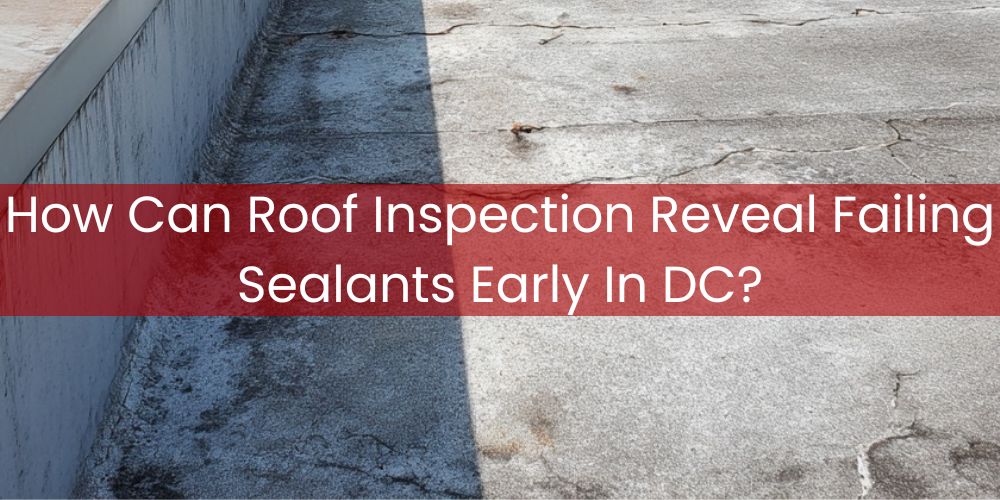
In Washington DC, regular roof inspections can reveal failing sealants early by identifying minor cracks and wear that can lead to water intrusion and damage. These sealants are critical in preventing moisture and rainwater from seeping into the building, especially during the region's heavy rainstorms. By catching sealant failures sooner, building owners can prevent extensive damage and costly repairs that could arise from prolonged exposure to water. Washington DC's humid and variable climate can exacerbate sealant deterioration, particularly on commercial roofs where heavy rains and thermal expansion put additional stress on sealing materials. Regular roof inspections help monitor these conditions, allowing timely repairs or re-sealing efforts that can extend the roof's lifespan and increase the building's resilience against leaks and structural weakening. Maintaining the integrity of sealants is essential for sustaining the energy efficiency and comfort of commercial properties, providing both safety and savings.
For commercial property owners and facility managers in Washington DC, ensuring early detection of failing sealants is vital to maintaining roofing integrity and reducing long-term costs. Commercial Roofing Washington DC provides thorough commercial roof inspection services focused on identifying early sealant failure before it leads to leaks, moisture intrusion, or system-wide damage. Sealants around seams, penetrations, flashing, and rooftop equipment are among the most common failure points on commercial roofs, particularly in Washington DC and the Mid-Atlantic where temperature fluctuations, UV exposure, and moisture accelerate deterioration. Our inspections are designed to pinpoint cracking, separation, shrinkage, or adhesion loss in roof sealants so corrective repairs can be completed early. This is to help property owners extend roof life, preserve warranties, and avoid costly emergency repairs. Below, we'll explore how routine roof inspections play a crucial role in identifying failing sealants, the effects of Washington DC's climate on roofing materials, and best practices for protecting your investment. Understanding these elements will be key to preventing unforeseen roof failures and securing your property against the unpredictable weather conditions in the nation's capital.
Why is regular roof inspection crucial for commercial buildings?
Regular roof inspection is crucial for maintaining the integrity and longevity of commercial buildings. These inspections help identify minor issues before they become significant problems, preventing costly repairs and business disruptions. Frequent checks can also ensure compliance with insurance requirements and extend the roof's lifespan. Here are the key reasons why regular roof inspection is critical for commercial properties:
- Damage Detection: Identifying Early Issues to Prevent System Failure
- Maintenance Efficiency: Ensures timely maintenance to extend roof lifespan.
- Energy Efficiency: Mitigates heat loss and improves energy conservation.
- Compliance Assurance: Keeps the building within safety and insurance standards.
- Weather Resilience: Prepares the roof for extreme weather conditions.
1. Damage Detection: Identifying Early Issues to Prevent System Failure
Damage detection in commercial roofing focuses on identifying early signs of deterioration before they affect roof performance or building operations. Through regular inspections, roofing professionals can detect issues such as membrane wear, seam separation, flashing damage, and sealant failure that may not yet be visible from inside the building. Addressing these conditions early helps prevent moisture intrusion, protects underlying roof components, and extends the overall service life of the roofing system. This proactive approach supports planned maintenance strategies, reduces unplanned repair costs, and helps maintain uninterrupted operation of commercial facilities.
2. Maintenance Efficiency: Ensures timely maintenance to extend roof lifespan.
Maintenance efficiency refers to the timely upkeep of roof components to maximize durability. Routine inspections allow property owners to schedule necessary maintenance activities efficiently. This consistent attention can prevent the accumulation of debris, deterioration of roofing materials, and drainage issues. By keeping up with regular maintenance, the lifespan of the roof is extended, providing better returns on the initial investment and enhancing the building’s overall value.
3. Energy Efficiency: Mitigates heat loss and improves energy conservation.
Energy efficiency enhances a building's ability to retain heat or cool air, reducing utility costs. During roof inspections, specific areas that contribute to energy loss, such as poor insulation or leaks, can be identified and corrected. Addressing these issues ensures that the HVAC systems do not overwork, thus conserving energy. Optimizing energy efficiency not only leads to lower energy bills but also contributes to a reduced environmental footprint, aligning with sustainability goals.
4. Compliance Assurance: Keeps the building within safety and insurance standards.
Compliance assurance ensures that a building adheres to necessary safety and insurance regulations. Regular roof inspections help maintain adherence to building codes and insurance policy requirements. An up-to-date roof inspection can prevent fines or policy cancellations by ensuring that all safety measures are in place. This compliance is crucial for legal protection and to safeguard the financial interests of the property owner.
5. Weather Resilience: Prepares the roof for extreme weather conditions.
Weather resilience involves preparing and reinforcing the building to withstand harsh climatic events. Inspections help identify any vulnerabilities in the roof that could be exacerbated by severe weather, such as heavy rain or strong winds. Reinforcing these areas in advance can prevent weather-related damage. Enhancing the roof's resilience protects the building from significant structural issues and potential operational disruptions following extreme weather conditions.
Have a question about an upcoming project?
What specific signs indicate failing sealants during a roof inspection?
Failing sealants can be identified by cracks, discoloration, or detachment from their intended surfaces. These issues can lead to water intrusion, compromising the roof's integrity and leading to potential damage within the building. Detecting and addressing these signs during routine inspections can prevent costly repairs and maintain the roof's overall performance. A number of indicators can suggest that roof sealants are beginning to fail. Here are the most common signs to look for:
- Cracks or gaps in the sealant areas.
- Discoloration or staining around the sealant.
- Sealant detachment or separation from surfaces.
- Water leaks or moisture accumulation indoors.
- Visible mold or mildew near sealed areas.
1. Cracks or gaps in the sealant areas.
Cracks or gaps can indicate that the sealant is losing its elasticity and adhesiveness. These imperfections allow water to penetrate the roof system, potentially leading to leaks. Failing to address cracked sealants promptly can result in significant water damage. Regular maintenance and resealing can extend the sealant’s lifespan, ensuring that the roof remains watertight.
2. Discoloration or staining around the sealant.
Discoloration or staining often points to water ingress or UV exposure degradation. Such changes in appearance could signal that the sealant is compromised and not effectively preventing moisture infiltration. Inspectors should note discoloration as it can quickly escalate into more severe roofing issues. Routine inspections and immediate action upon noticing discoloration can mitigate further damage and prolong the life of the sealant.
3. Sealant detachment or separation from surfaces.
Sealant detachment occurs when the bond between the sealant and surface weakens. This weakening can be due to temperature fluctuations, poor initial application, or age. Detachment allows environmental elements to breach the roofing material. Addressing detachment early involves resealing and possibly investigating the cause to prevent future occurrences.
4. Water leaks or moisture accumulation indoors.
Indoor water leaks are a clear sign of failing sealants on a roof. When sealants fail, moisture can infiltrate the building, leading to visible leaks. Inspecting and repairing roof sealants promptly can prevent further interior damage. Persistent leaks can cause structural issues and affect indoor air quality, underlining the importance of regular roof inspections.
5. Visible mold or mildew near sealed areas.
Mold and mildew grow where moisture has been allowed to accumulate. The presence of these organisms suggests that a sealant is not effectively sealing out moisture. These issues can compromise the structural integrity of a building and pose health risks. Quickly addressing mold issues by fixing failing sealants can prevent further structural damage and maintain a healthy environment.
How can early detection of failing sealants impact maintenance costs and roof longevity?
Early detection of failing sealants can significantly reduce maintenance costs and extend roof life by preventing water infiltration and structural damage. Regular inspections help identify sealant issues before they escalate into costly repairs, saving building owners money and maintaining roof integrity. Addressing sealant failures promptly can ensure the roof remains protective, efficient, and structurally sound for a longer period. Here are key aspects of how early detection affects maintenance costs and roof longevity:
- Prevents Water Damage: Stops moisture intrusion from causing interior and structural issues.
- Extends Roof Life: Minimizes wear and tear, prolonging roof lifespan.
- Reduces Repair Costs: Avoids expensive fixes by addressing small issues early.
- Maintains Energy Efficiency: Prevents leaks that can compromise insulation.
- Ensures Safety Compliance: Keeps the building conforming to safety standards.
1. Prevents Water Damage: Stops moisture intrusion from causing interior and structural issues.
Water damage can compromise both the interior and structural elements of a building. Early detection of failing sealants prevents moisture from infiltrating the roof, which helps to avoid water-related issues that could lead to extensive damage and costly repairs over time. Moisture intrusion can cause rot, mold, and mildew, which not only affect building materials but also pose health risks to occupants. By preventing water damage, the roof remains sturdy and protects both the interior space and its contents.
2. Extends Roof Life: Minimizes wear and tear, prolonging roof lifespan.
Detecting sealant failures early prevents accelerated deterioration of roofing materials. This proactive approach extends the overall lifespan of the roof by reducing unnecessary wear and tear caused by weather exposure and water damage. Regular maintenance and timely addressing of sealant issues can delay the need for a total roof replacement, providing more value over time and maintaining the roof's protective function for longer periods.
3. Reduces Repair Costs: Avoids expensive fixes by addressing small issues early.
Early detection allows for minor repairs that are less costly than extensive overhauls. Addressing minor sealant issues early on can prevent them from developing into severe problems that require more complex and costly interventions. Savings from reduced repair costs can be reallocated to other essential maintenance, ensuring ongoing roof performance and preventing financial strain from unexpected roof failures.
4. Maintains Energy Efficiency: Prevents leaks that can compromise insulation.
Properly sealed roofs help maintain indoor temperature by preventing energy loss. Failing sealants can lead to air leaks, causing increased energy consumption and higher utility bills as the building's HVAC system works harder to maintain comfort levels. Ensuring that sealants remain intact helps retain energy efficiency, lowering costs and contributing to a comfortable indoor environment year-round.
5. Ensures Safety Compliance: Keeps the building conforming to safety standards.
Regular inspections ensure that the building remains compliant with safety codes. Early detection of failing sealants ensures that the roof is adequately sealed, supporting safety requirements and avoiding violations or penalties associated with faulty roofing systems. Compliance with building codes not only ensures occupant safety but also protects the owner from potential legal issues that could arise from neglected roof maintenance.
Need a Commercial Roof Inspection to Identify Sealant Failure Early?
Sealant failures often go unnoticed until water damage occurs. Proactive roof inspections allow these issues to be detected and addressed before they compromise the roof system or interior spaces. Our inspection services help protect commercial buildings across Washington DC and the Mid-Atlantic region by identifying failing sealants early and preventing avoidable damage. Contact Commercial Roofing Washington DC today to schedule a commercial roof inspection and address sealant failures before they become costly roofing issues.