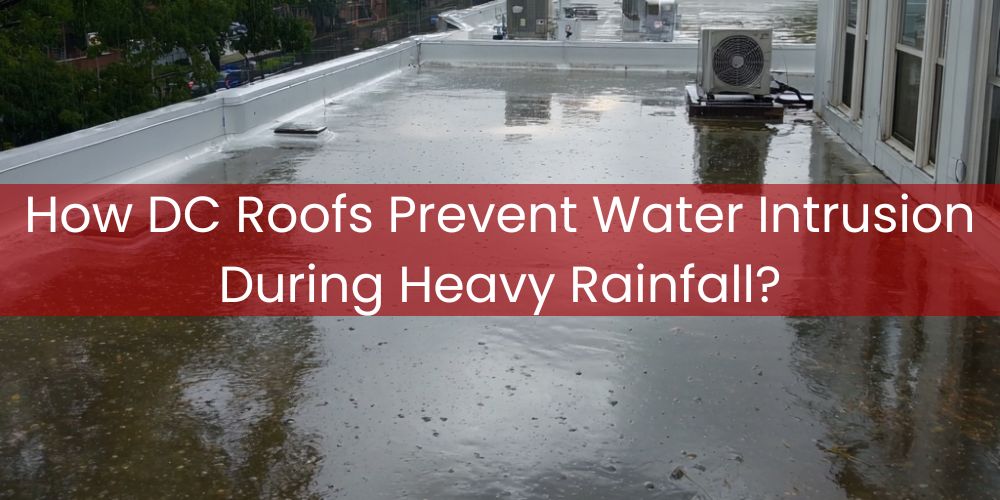
Commercial roofing systems in Washington DC prevent water intrusion during heavy rainfall through a combination of high-performance waterproofing membranes, properly engineered drainage, and meticulous flashing installation. When these components work together, they stop rainwater from penetrating seams, rooftop penetrations, or vulnerable transition points—areas that are often the first to fail during DC’s intense storm events. Modern DC commercial roofs such as TPO, PVC, EPDM, and modified bitumen rely on heat-welded or adhesive-bonded seams that create a continuous waterproof barrier. This uninterrupted membrane is critical for protecting flat and low-slope roofs, especially during Washington DC’s frequent downpours. Reinforced perimeter edges, curb flashings, and pitch pockets further seal rooftop penetrations to keep water from migrating below the surface. Effective drainage is another core defense against water intrusion. Commercial roofs in DC often incorporate internal drains, scuppers, and tapered insulation systems designed to prevent ponding water. Ponding water is one of the leading causes of membrane breakdown and infiltration in commercial roofs in Washington DC. When drainage pathways are clear and properly sloped, water is quickly evacuated from the roof, even during prolonged storms. Protective coatings, such as silicone or acrylic systems, provide an additional waterproof layer that helps roofs withstand DC’s rapid temperature swings and heavy precipitation. These coatings seal micro-cracks, reinforce aging membranes, and improve long-term resistance to moisture infiltration.
For property managers and building owners in Washington DC, routine maintenance remains essential. Clearing debris, sealing gaps, inspecting seams, and verifying drainage performance dramatically reduces the risk of leaks during extreme weather. With the right roofing system, proper installation, and consistent upkeep, commercial roofs can reliably prevent water intrusion even during the city’s heaviest rainfall events. Commercial Roofing Washington DC provides professionally engineered commercial roofing systems designed to prevent water intrusion during heavy rainfall common to Washington DC and the surrounding Mid-Atlantic region. Our roofing solutions focus on properly integrated waterproof membranes, sealed roof penetrations, effective drainage design, and durable flashing details that work together as a complete system. In high-rainfall environments like DC, preventing water intrusion requires more than surface protection—it depends on correctly designed roof assemblies that manage water flow, resist ponding, and maintain watertight integrity under prolonged storm conditions. We specify and install commercial roofing systems that protect roof decks, insulation, and interior spaces from moisture intrusion, even during severe weather events. Below we will look at how Washington DC commercial building's can best protect themselves from water intrusion during heavy rainfall.
How Do Roofing Materials and Designs Shield Buildings from Heavy DC Rainfalls?
Roofing materials and designs protect buildings from heavy DC rainfalls by minimizing water intrusion, ensuring longevity and safety. Proper materials can withstand water pressure, while strategic designs promote effective drainage, preventing water accumulation and damage. In Washington, DC, where heavy rainfalls occur frequently, choosing the right combination of materials and design elements is critical. Here is a list of important factors for roofing systems that shield buildings from heavy DC rains:
- Waterproof Membrane Systems: Creating a Continuous Barrier Against Water Intrusion
- Effective Drainage Systems: Managing Water Flow and Preventing Roof System Stress
- High-Quality Flashing: Protecting Critical Roof Details From Water Intrusion
- Roof Slope and Drainage Design: Promoting Efficient Water Runoff and Reducing Stress
- Durability: Resilient against prolonged exposure to moisture and harsh weather conditions.
1. Waterproof Membrane Systems: Creating a Continuous Barrier Against Water Intrusion
In commercial roofing, waterproof membrane systems form the primary protective layer that prevents water from entering the roof assembly and underlying structure. These membranes are designed to create a continuous, watertight barrier across flat and low-slope commercial roofs, where prolonged exposure to moisture is a critical concern. In Washington DC and the Mid-Atlantic region—where heavy rainfall events are common—properly specified membrane systems help protect roof decks, insulation layers, and interior spaces from moisture intrusion. Commercial waterproofing membranes such as TPO, PVC, EPDM, and modified bitumen are selected based on building use, roof configuration, and performance requirements. When correctly installed and maintained, these membrane systems play a central role in extending roof service life and maintaining a leak-free commercial environment.
2. Effective Drainage Systems: Managing Water Flow and Preventing Roof System Stress
Effective drainage is a core component of commercial roof design and performance, ensuring that water is removed efficiently from the roof surface before it can accumulate and cause damage. Commercial drainage systems typically include internal roof drains, scuppers, and perimeter drainage components engineered to handle large volumes of water during heavy rainfall. In Washington DC and throughout the Mid-Atlantic, where intense rainstorms can overwhelm poorly designed roofs, proper drainage design is essential for preventing ponding water, excessive structural loading, and premature membrane deterioration. Well-designed and properly maintained drainage systems help protect roof assemblies, reduce stress on structural components, and support long-term roof durability.
3. High-Quality Flashing: Protecting Critical Roof Details From Water Intrusion
In commercial roofing, flashing systems are used to seal transitions, penetrations, and termination points where roofing membranes interface with walls, curbs, drains, and rooftop equipment. These areas are among the most vulnerable points on a commercial roof and are common sources of leaks if not properly detailed. High-quality commercial flashing materials, combined with correct installation and compatible sealants, create a continuous watertight barrier that accommodates movement and thermal expansion. Properly designed and maintained flashing systems play a critical role in preventing water intrusion, protecting roof assemblies, and preserving long-term system performance.
4. Roof Slope and Drainage Design: Promoting Efficient Water Runoff and Reducing Stress
Roof slope and drainage design in commercial roofing refers to the engineered pitch and drainage layout that directs water toward internal drains, scuppers, or gutters. Adequate slope is essential for preventing standing water, which can accelerate membrane deterioration and increase structural loading over time. In Washington DC and the Mid-Atlantic region—where heavy rainfall events are common—commercial roofs must be designed to manage water efficiently and prevent prolonged ponding. Proper slope design, often achieved through tapered insulation systems or structural design considerations, ensures consistent drainage, reduces stress on roof components, and supports the long-term durability of the roofing system.
5. Durability: Resilient against prolonged exposure to moisture and harsh weather conditions.
Durability in commercial roofing refers to a roof system’s ability to withstand prolonged exposure to moisture, temperature fluctuations, and severe weather without compromising performance. In Washington DC and the Mid-Atlantic region, heavy rainfall, wind-driven storms, and seasonal freeze–thaw cycles place consistent stress on commercial roof assemblies. Durable commercial roofing systems are designed to resist moisture intrusion, membrane degradation, and flashing failure while maintaining watertight integrity over time. By selecting properly engineered commercial roof systems—such as single-ply membranes, metal roofing systems, or reinforced built-up assemblies—building owners can reduce maintenance frequency, extend roof service life, and protect underlying structural components from weather-related damage.
Have a question about an upcoming project?
What Role Do Proper Drainage Systems Play in Preventing Water Intrusion?
Proper drainage systems are crucial in preventing water intrusion on commercial roofs by efficiently directing water away from the roof surface. Inadequate drainage can result in water pooling, leading to leaks, structural damage, and the deterioration of roofing materials. Having an effective drainage system helps maintain the integrity of the roof, extends its lifespan, and prevents costly repairs. The importance of proper drainage systems can be broken down into several key factors:
- Preventing Water Accumulation: Effective drainage stops water pooling on the roof.
- Reducing Structural Stress: Controls water load to minimize structural strain on the roof.
- Preventing Material Deterioration: Protects roofing materials from water-related damage.
- Ensuring Efficient Water Flow: Guarantees timely removal of water through gutters and downspouts.
- Extending Roof Lifespan: Minimizes water impact, enhancing overall roof durability.
1. Preventing Water Accumulation: Effective drainage stops water pooling on the roof.
Preventing water accumulation means avoiding stagnant water on the roof surface. Without proper drainage, water can collect in low spots, leading to leaks and material degradation. Effective drainage systems help avoid the creation of these water pools that can further exacerbates water intrusion issues. Ensuring that water is correctly directed away prevents the development of mold and mildew, which can also compromise the indoor environment of the building.
2. Reducing Structural Stress: Controls water load to minimize structural strain on the roof.
Reducing structural stress involves managing the weight impact of water on the roof. Excessive water weight can lead to structural load issues, causing sagging, cracks, or even collapse in severe cases. A well-designed drainage system alleviates this load by systematically channeling water away. This control is crucial for maintaining the roof's structural integrity, especially in commercial buildings where safety and operational functions are priorities.
3. Preventing Material Deterioration: Protects roofing materials from water-related damage.
Preventing material deterioration involves safeguarding roofing materials from consistent water exposure. Constant water contact accelerates the wear and tear of roofing materials, reducing their lifespan and effectiveness. Proper drainage prolongs material durability by preventing standing water that can penetrate roof seams and surfaces. By preserving the condition of roof materials, you lower the frequency of repairs and replacements, yielding cost savings over time.
4. Ensuring Efficient Water Flow: Guarantees timely removal of water through gutters and downspouts.
Ensuring efficient water flow focuses on the quick and effective exit of water from the roof. Gutters and downspouts are critical components, channeling water away swiftly to prevent overflow and backflow issues. Regular maintenance of these components ensures they work optimally and remain free of blockages that could impede water flow. This not only helps to keep the roof in good condition but also prevents water from damaging the building’s facade and foundation.
5. Extending Roof Lifespan: Minimizes water impact, enhancing overall roof durability.
Extending roof lifespan refers to enhancing roof longevity through effective water management. When a drainage system functions correctly, it shields the roof from the constant threat of water intrusion and damage. This protection contributes directly to a longer-lasting roof, ensuring continued performance and investment value. Regular inspections and updates to the drainage system can further improve its effectiveness and help identify potential threats, maintaining the roof's health for as long as possible.
How Can Regular Maintenance and Inspections Protect Commercial Roofs During Storms?
Regular maintenance and inspections can significantly enhance a commercial roof's resilience against storm damage. By identifying and addressing potential vulnerabilities early, these practices can prevent costly repairs and ensure the roof's structural integrity. Additionally, proactive maintenance can extend the roof's lifespan and safeguard building contents. Here are the most important ways regular maintenance and inspections protect commercial roofs during storms:
- Identify Weak Spots: Detect and repair vulnerabilities before storm impact.
- Prevent Water Infiltration: Enhance drainage to avoid leaks during heavy rain.
- Reinforce Roof Material: Strengthen roofing materials to withstand harsh storm conditions.
- Ensure Structural Integrity: Maintain stability against wind and storm-related stress.
- Extend Roof Lifespan: Regular upkeep mitigates deterioration and prolongs durability.
1. Identify Weak Spots: Detect and repair vulnerabilities before storm impact.
Regular inspections help uncover weak areas in the roof that might fail during a storm. By identifying these vulnerabilities, maintenance teams can perform timely repairs to prevent significant damage during severe weather. Addressing weak spots proactively reduces the risk of unexpected roof failures that could lead to interior damage or costly emergency repairs. Consistent assessments are crucial because even minor roof damage can escalate under storm conditions, making early detection and repair essential to storm preparedness.
2. Prevent Water Infiltration: Enhance drainage to avoid leaks during heavy rain.
Proper drainage systems are vital for preventing water accumulation on the roof. Storms usually bring heavy rainfall, and any blockages or deficiencies in the drainage system can lead to water pooling, which increases the risk of leaks and structural damage. Routine maintenance ensures that drains, gutters, and downspouts are clear and functioning properly, allowing effective water runoff during heavy rains. This proactive approach not only helps avoid water damage to the roof and building interiors but also minimizes the potential for mold and mildew growth, maintaining a safe environment within the building.
3. Reinforce Roof Material: Strengthen roofing materials to withstand harsh storm conditions.
Maintenance can reinforce and enhance the durability of roofing materials. Exposure to the elements can weaken roofing materials over time, reducing their ability to withstand the pounding forces of a strong storm. Through regular maintenance, roofing materials can be inspected for wear and tear and repaired or replaced as needed to maintain their protective capabilities. Strengthening the roof in anticipation of harsh weather ensures it can deflect debris and resist the loosening of roofing components, thus maintaining the structural coverage it provides.
4. Ensure Structural Integrity: Maintain stability against wind and storm-related stress.
The structural integrity of a roof is critical to withstanding wind and storm pressure. Roof inspections can help assess and improve the structural elements that hold the roofing system together, such as the underlying supports and connections. Regular maintenance ensures these components are not compromised, thus preserving their ability to resist uplift and prevent roof displacement during high winds. This vigilance in maintaining the roof structure's health is central to providing security and continuity of operations for the businesses housed within the structure.
5. Extend Roof Lifespan: Regular upkeep mitigates deterioration and prolongs durability.
Continuous maintenance extends the overall lifespan of a commercial roof. By routinely caring for the roof, its materials and components endure less deterioration and remain effective longer, postponing the need for a costly total replacement. Regular maintenance checks also prevent small issues from escalating into major problems, which helps in maintaining ongoing roof integrity. In addition to protecting the roof from storm damage, a well-maintained roof contributes to the building's efficiency and savings by postponing large expenditures and optimizing the roof's utility over its intended service life.
Need Commercial Roofing Services to Prevent Water Intrusion During Heavy Rainfall?
Heavy rain can quickly expose weaknesses in commercial roofing systems, leading to leaks, interior damage, and costly disruptions if not addressed proactively. Our team provides commercial roofing services focused on preventing water intrusion through proper system design, targeted repairs, and long-term maintenance solutions. Contact Commercial Roofing Washington DC today to protect your building from water intrusion during heavy rainfall across Washington DC and the Mid-Atlantic region.