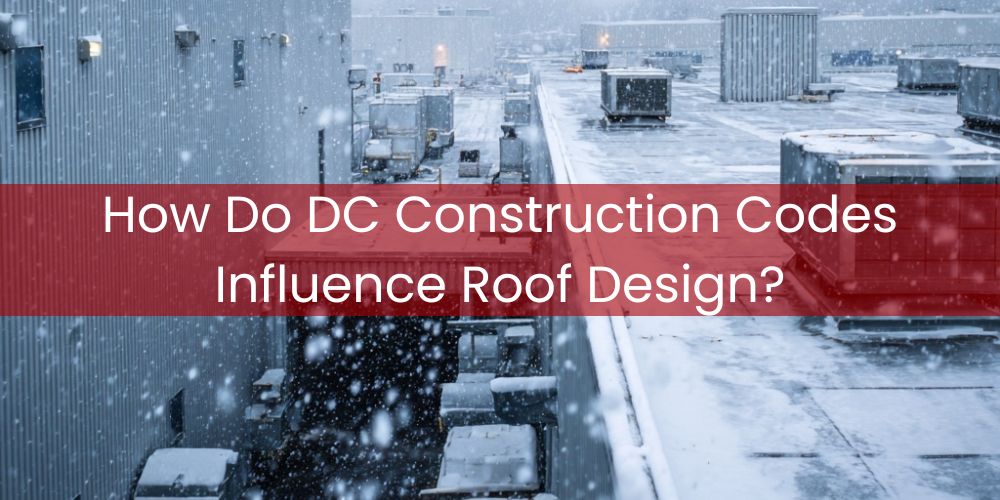
DC construction codes significantly influence roof design by mandating specific requirements for energy efficiency, stormwater management, and structural load capacities, tailored to Washington, D.C.'s unique climate and urban setting. These codes ensure that roofs in Washington, D.C. are designed to handle the city's variable weather conditions, including heavy rainfall, snowfall, and temperature fluctuations. Additionally, they promote sustainable building practices by encouraging the use of reflective materials and green roofing solutions to reduce energy consumption and manage stormwater runoff effectively. For commercial building owners and facility managers in Washington, D.C., understanding how local construction codes impact roof design is critical for compliance and operational efficiency.
Commercial Roofing Washington DC delivers commercial roofing services that fully adhere to Washington DC construction and building codes, ensuring every roof system is designed, installed, and maintained in compliance with local regulatory requirements. DC construction codes directly influence commercial roof design by setting standards for wind resistance, drainage capacity, fire performance, energy efficiency, and structural loading. These requirements affect everything from membrane selection and insulation thickness to slope design, fastening methods, and detailing around penetrations and roof edges. Our team stays current with DC-specific code updates and permitting requirements, allowing us to design roofing systems that meet regulatory standards while supporting long-term performance and operational reliability. Below, we’ll delve deeper into the specific code requirements, explore their implications on roof design, and offer insights on optimizing roof performance within the regulatory framework of D.C.
What Are the Key DC Construction Codes Affecting Commercial Roof Design?
Key construction codes in DC ensure commercial roofs are safe, efficient, and environmentally sustainable. Compliance with these codes is crucial for legal approval, structural integrity, and minimizing environmental impact. Understanding these codes helps architects and builders design roofs that meet local standards and optimize building performance. Below is a list of important construction codes that influence commercial roof design in Washington, DC.
- Building Code: Specifies materials, loads, and structural requirements for roofs.
- Energy Conservation Code: Sets standards for roof insulation and energy efficiency.
- Green Construction Code: Mandates environmentally sustainable building practices, including roof design.
- Fire Code: Establishes fire safety requirements for roofing materials and systems.
- Stormwater Regulations: Controls roof drainage to manage rainwater runoff effectively.
1. Building Code: Specifies materials, loads, and structural requirements for roofs.
The Building Code outlines standards for construction, ensuring the safety and stability of roofs. These standards dictate what materials can be used and the structural loads roofs must withstand. Adherence to the Building Code is essential for ensuring that commercial roofs in DC are safe and reliable. By following the Building Code, architects and contractors ensure that designs meet the necessary safety criteria and are capable of withstanding local weather conditions and usage demands.
2. Energy Conservation Code: Sets standards for roof insulation and energy efficiency.
The Energy Conservation Code aims to improve the energy efficiency of buildings, including roofs. This code focuses on proper insulation and minimizing heat loss or gain, which is crucial for energy savings and regulatory compliance. Well-insulated roofs contribute to lower energy bills and improved building performance. By adhering to these guidelines, commercial buildings in DC can significantly reduce their carbon footprint and operational costs, aligning with city-wide energy efficiency goals.
3. Green Construction Code: Mandates environmentally sustainable building practices, including roof design.
The Green Construction Code promotes sustainable practices that minimize environmental impacts. This code encourages the use of renewable materials and practices that enhance a building's environmental performance. It leads to eco-friendly roofing options like green roofs or reflective materials that improve energy efficiency. Implementing the Green Construction Code ensures that commercial roofs contribute positively to environmental health and comply with DC’s sustainability aspirations.
4. Fire Code: Establishes fire safety requirements for roofing materials and systems.
The Fire Code includes stipulations to enhance the fire resistance of roofing systems. It ensures that materials used and roof designs meet specific fire safety standards to protect buildings and occupants. Compliance with the Fire Code reduces fire risks and ensures faster emergency response. Incorporating fire-resistant roofing materials can also lead to insurance benefits and enhance overall building safety.
5. Stormwater Regulations: Controls roof drainage to manage rainwater runoff effectively.
Stormwater Regulations address the management of rainwater to prevent urban flooding and water pollution. These regulations require adequate drainage and retention systems for efficient handling of stormwater from roofs. Proper stormwater management on roofs is vital in DC due to the area's frequent heavy rains. Implementing these controls can lead to sustainable water management, reduced flood risks, and compliance with ecological standards.
Have a question about an upcoming project?
How Do These Codes Impact Materials and Structural Considerations for Roofs?
Building codes determine the materials and structural specifications required for commercial roofs to ensure safety, durability, and compliance. They influence the choice of materials, dictate structural load requirements, and ensure that roofing solutions meet local climate challenges. Understanding these codes is crucial for selecting appropriate roofing materials and designs that comply with regional regulations and climate demands. Building codes have a significant impact on the selection and application of roofing materials and structure. They ensure safety, sustainability, and resilience by dictating specific criteria that must be met, such as load-bearing capacity, fire resistance, and environmental footprint. Here is a detailed look at how these codes influence roofing materials and structural considerations:
- Material Selection: Must meet fire ratings, durability, and environmental requirements.
- Load Capacity: Structures must support weight for snow, equipment, or additional installations.
- Climate Adaptation: Materials should align with local weather and environmental conditions.
- Wind Resistance: Codified to endure regional wind speeds and associated forces.
- Sustainability Standards: Emphasizes eco-friendly materials to reduce environmental impact.
1. Material Selection: Must meet fire ratings, durability, and environmental requirements.
Material selection requires adherence to specific fire safety ratings and environmental impact standards. Codes ensure that materials used can withstand potential fire hazards and possess the necessary durability for different environments. Incorporating materials that align with code regulations ensures not only safety but also sustainability, offering long-term benefits by minimizing environmental footprint. Choosing materials based on these requirements helps in avoiding penalties and fosters safer working and living environments.
2. Load Capacity: Structures must support weight for snow, equipment, or additional installations.
Load capacity refers to a roof's ability to bear additional weight, such as snow or rooftop units. Building codes dictate the minimum load requirements, which are critical for structural integrity and safety. Failing to meet these requirements can result in structural failures, especially under extreme weather events or during maintenance activities. Ensuring load capacity compliance helps prevent accidents and structural damage.
3. Climate Adaptation: Materials should align with local weather and environmental conditions.
Climate adaptation involves using materials that perform well under specific local climate conditions. Codes require roofs to be designed to withstand local environmental stresses, like temperature variations and precipitation. This helps in maintaining the integrity of the roof over its lifespan, reducing the need for frequent repairs and replacements. Adequately adapted roofs conserve energy by enhancing insulation and minimizing thermal transference.
4. Wind Resistance: Codified to endure regional wind speeds and associated forces.
Wind resistance is the capacity of a roof to withstand local wind speeds and pressures. Codes specify requirements to ensure roofs can resist uplift and damage from high winds. Understanding these codes can prevent costly wind damage and insurance claims by ensuring roofs are built to endure typical and extreme weather events. Properly rated materials and construction methods enhance the overall safety and sustainability of the structure.
5. Sustainability Standards: Emphasizes eco-friendly materials to reduce environmental impact.
Sustainability standards in codes promote the use of materials that reduce energy use and environmental impact. Following these standards ensures roofing contributes positively to environmental conservation and energy efficiency. Utilizing sustainable materials not only aligns with these codes but also provides economic benefits through reduced energy costs and potential incentives. ECO-friendly roofing solutions contribute to lower carbon footprints and support corporate responsibility goals.
What Innovations in Roof Design Are Emerging as a Result of DC Construction Codes?
Innovations in roof design in DC are focusing on sustainability, energy efficiency, and stormwater management. The updated construction codes emphasize green building practices to reduce environmental impact and adapt to urban challenges. These changes encourage roof designs that integrate features like green roofing, solar panels, cool roof technologies, and enhanced insulation. Here are five key innovations emerging from the updated DC construction codes:
- Sustainable Roof Systems: Incorporating recycled materials and green roofs for environmental impact reduction.
- Solar Integration: Encouraging rooftop solar panels as a standard to promote renewable energy use.
- Stormwater Management: Designing roofs with systems to capture and manage stormwater effectively.
- Cool Roof Technologies: Utilizing materials that reflect sunlight to reduce urban heat and save energy.
- Enhanced Insulation: Installing high-performance insulation to improve energy efficiency and indoor comfort.
1. Sustainable Roof Systems: Incorporating recycled materials and green roofs for environmental impact reduction.
Sustainable roof systems use environmentally friendly materials and often include green roofing options. These systems are designed in response to DC's construction codes to reduce carbon footprints and promote eco-friendly practices. Green roofs provide insulation, reduce urban heat, and create habitats in urban environments. Using recycled materials in roofing minimizes waste and fosters a circular economy in construction practices. As cities like DC push for sustainability, these roofs help mitigate the effects of urbanization by enhancing air quality, supporting biodiversity, and controlling building temperatures.
2. Solar Integration: Encouraging rooftop solar panels as a standard to promote renewable energy use.
Solar integration refers to the incorporation of solar technology into building designs to harness renewable energy. In DC, construction codes incentivize rooftop solar installations, making it a key component of modern roof designs. Solar panels reduce dependency on non-renewable energy sources and can significantly lower energy costs. By turning rooftops into power-generating assets, solar integration diminishes the environmental footprint of buildings. This innovation is part of broader efforts to transform urban energy landscapes and to encourage clean, accountable energy consumption among building owners.
3. Stormwater Management: Designing roofs with systems to capture and manage stormwater effectively.
Stormwater management on roofs involves systems designed to capture, store, and utilize rainwater efficiently. Updated DC codes emphasize these systems to lessen the load on urban sewer systems and minimize flood risks. Incorporating stormwater features in roof designs helps handle precipitation more sustainably. These systems can range from simple collection mechanisms to more complex setups with storage tanks and water reuse capabilities. Effective stormwater management through roofing is crucial, particularly in urban areas susceptible to heavy rains, as it helps conserve water while protecting infrastructure.
4. Cool Roof Technologies: Utilizing materials that reflect sunlight to reduce urban heat and save energy.
Cool roof technologies employ reflective materials to keep buildings cool and lower energy usage. In response to DC's environmental codes, such roofs are becoming more prevalent to combat heat islands in urban settings and improve energy efficiency. Cool roofs mitigate fluctuations in indoor temperatures, reducing the need for air conditioning. This innovation is instrumental in lowering peak energy demands and prolonging roof life by reducing heat exposure. By reflecting more sunlight, cool roofs contribute to overall energy savings and enhance comfort in densely built environments.
5. Enhanced Insulation: Installing high-performance insulation to improve energy efficiency and indoor comfort.
Enhanced insulation involves using advanced materials that provide robust thermal barriers to conserve energy. DC's construction codes highlight the importance of such insulation in cutting energy bills and ensuring comfortable indoor environments. High-performance insulation reduces energy consumption associated with heating and cooling. Advancements in insulation have led to materials that offer excellent thermal resistance, which is crucial in extreme weather conditions. By improving building envelopes, enhanced insulation is a cornerstone of energy-efficient buildings, playing a critical role in sustainable urban development efforts.
Need Commercial Roofing Services Which Meet Washington DC Construction Codes?
Non-compliant roofing systems can lead to failed inspections, costly corrections, and increased liability. Our commercial roofing services are designed to meet applicable construction codes and regulatory requirements throughout Washington DC and the Mid-Atlantic region, giving property owners confidence that their roofing systems are properly specified and professionally installed. Contact Commercial Roofing Washington DC today to schedule commercial roofing services that adhere to Washington DC construction codes and Mid-Atlantic regulatory standards.