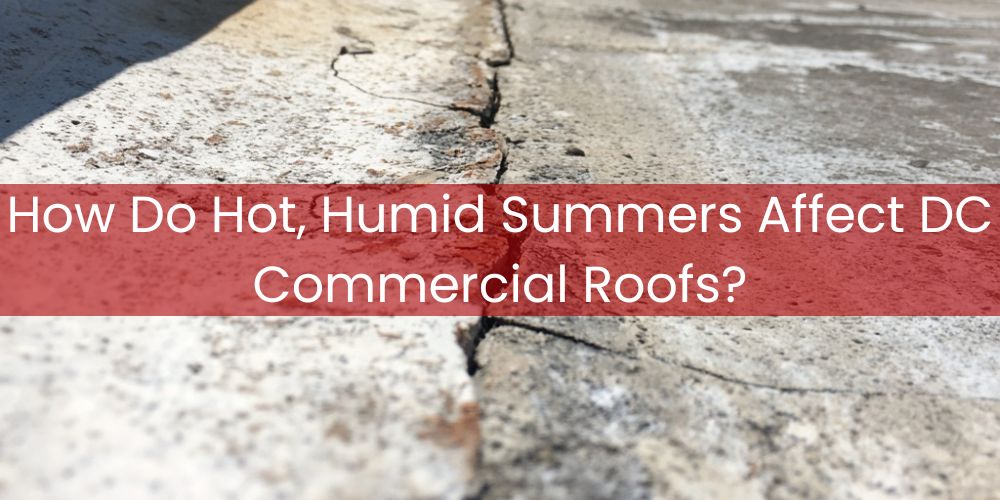
Hot, humid summers in Washington DC place sustained thermal and moisture-related stress on commercial roofing systems. Prolonged high temperatures increase roof surface heat, accelerating membrane aging, drying sealants, and intensifying expansion and contraction across the roof assembly. Repeated thermal movement can weaken seams, flashing details, and attachment points over time, increasing the risk of leaks if systems are not properly detailed or maintained. Elevated humidity further compounds these issues by slowing moisture evaporation, increasing condensation risk, and creating conditions that can promote mold or mildew when water is allowed to infiltrate roof assemblies.
Across Washington DC and the Mid-Atlantic region, commercial roofs are exposed to a full spectrum of seasonal stresses, including intense summer heat, high humidity, heavy rainfall, freeze–thaw cycles, and cold winter temperatures. These combined conditions place continuous strain on membranes, sealants, drainage systems, and roof details. Roof systems that are not designed to manage heat gain, moisture movement, and temperature fluctuation consistently experience accelerated deterioration, drainage-related issues, and reduced service life.
Commercial Roofing Washington DC provides commercial roofing services designed to support reliable roof performance under DC’s hot summers, humid conditions, and cold winters. Our approach prioritizes climate-appropriate system selection, precise detailing, effective drainage design, and proactive maintenance strategies that help commercial roofs perform predictably through seasonal extremes common throughout Washington DC and the Mid-Atlantic region.
For commercial building owners and facility managers in Washington DC, understanding how summer heat and humidity affect roof performance is essential for protecting building assets and controlling long-term operating costs. Below, we’ll examine how DC’s summer climate impacts commercial roofing systems, outline practical preventative measures, and share professional guidance to support long-term roof durability and performance.
What Challenges Do Hot, Humid Summers Pose to Commercial Roofs in DC?
Hot, humid summers in DC can cause commercial roofs to experience thermal expansion, moisture infiltration, and increased energy consumption. The fluctuating temperatures and high humidity levels can compromise the structural integrity and efficiency of roofing materials. These conditions may lead to costly repairs and higher maintenance needs if not adequately addressed. Below is a list that outlines the primary challenges faced by commercial roofs during hot, humid summers in DC.
- Thermal Expansion: Causes membrane roofing materials to expand and contract rapidly.
- Moisture Infiltration: Increased humidity can lead to condensation and trapped moisture.
- UV Degradation: Intense sunlight can deteriorate roofing materials over time.
- Algae and Mold Growth: High humidity encourages biological growth on roofing surfaces.
- Increased Energy Costs: High temperatures elevate cooling demands on building systems.
1. Thermal Expansion: Causes membrane roofing materials to expand and contract rapidly.
Thermal expansion is the physical expansion and contraction of materials due to temperature changes. Extreme heat causes roofing materials like TPO, PVC, and rubber to expand significantly. As temperatures cool, these materials contract, leading to stress and potential damage to seams and joints. This stress cycle can result in cracked or split seams, necessitating frequent inspections and repairs. Choosing flexible roofing materials and installing expansion joints can help mitigate these effects.
2. Moisture Infiltration: Increased humidity can lead to condensation and trapped moisture.
Moisture infiltration refers to the unwanted penetration of water and moisture into roofing systems. DC's humid summers raise the risk of condensation under roofing membranes, which can lead to trapped moisture. This can weaken roofing integrity and promote mold growth, damaging insulation and structural components. Utilizing vapor barriers and ensuring proper ventilation can effectively reduce condensation risks, safeguarding the roof's performance and longevity.
3. UV Degradation: Intense sunlight can deteriorate roofing materials over time.
UV degradation is the breakdown of materials caused by prolonged exposure to ultraviolet radiation. The intense summer sun in DC can lead to fading, brittleness, and deterioration of roofing materials like TPO, PVC, and EPDM. Over time, this weakness compromises the roof's protective capabilities. Installing UV-resistant coatings and maintaining regular inspections can prolong a roof's life and improve performance, reducing the impact of UV radiation.
4. Algae and Mold Growth: High humidity encourages biological growth on roofing surfaces.
Algae and mold growth are the proliferation of organic materials on surfaces due to humidity and moisture. During DC's humid summers, roofs can become breeding grounds for unsightly algae and mold. This growth can lead to discoloration, damage to roofing materials, and health hazards for building occupants. Regular cleaning and treatment with algaecide or fungicide products can keep these biological invasions in check, preserving roof aesthetics and function.
5. Increased Energy Costs: High temperatures elevate cooling demands on building systems.
Increased energy costs are higher electricity expenses due to elevated cooling needs in hot weather. To counteract the sweltering summer heat in DC, building systems often work overtime, spiking energy use and costs. This poses a significant challenge for businesses looking to manage overheads. Efficient insulation, cool roofing materials, and strategic energy management practices can help reduce these costs, enhancing sustainability and financial efficiency.
Have a question about an upcoming project?
How Can Heat and Humidity Impact the Structural Integrity of These Roofs?
Heat and humidity can degrade roofing materials, leading to reduced structural integrity over time. Prolonged exposure to high temperatures can cause materials to expand and contract, while humidity can introduce moisture that weakens the roof's structure and promotes mold growth. Understanding the effects of these climate factors is crucial for maintaining a roof's durability and longevity. A list of key impacts from heat and humidity on roofing structures is outlined below:
- Thermal Expansion: Causes material expansion and contraction, leading to potential damage.
- Moisture Ingress: Increases the risk of leaks and water damage.
- Material Degradation: Accelerated aging due to constant heat exposure.
- Mold Growth: High humidity fosters mold and mildew growth, compromising materials.
- Structural Weakening: Extended exposure can weaken the roof's overall structural integrity.
1. Thermal Expansion: Causes material expansion and contraction, leading to potential damage.
Thermal expansion refers to the tendency of materials to change in shape or size when exposed to temperature changes. In roofing, continuous expansion and contraction due to temperature fluctuations can lead to material fatigue and the development of cracks or splits. Over time, this can result in compromised roof seams and a weakening of the overall roofing structure, necessitating costly repairs. Materials that are more resistant to thermal expansion should be considered for areas with extreme temperature changes to ensure long-term durability.
2. Moisture Ingress: Increases the risk of leaks and water damage.
Moisture ingress is the unwanted movement of water or humidity into a building’s structure. Heat can exacerbate this by causing roofing materials to crack, allowing humidity and rainwater to seep through. Continuous exposure to moisture can lead to structural rot, mold growth, and costly repairs over time. Effective waterproofing and regular maintenance checks are essential to mitigate these risks.
3. Material Degradation: Accelerated aging due to constant heat exposure.
Material degradation is the process by which roofing materials deteriorate over time due to environmental factors. Constant exposure to high temperatures can cause significant wear and tear, leading materials to lose their effectiveness and require early replacement. UV rays from the sun can further exacerbate this effect, causing materials to become brittle. Using UV-resistant coatings and selecting appropriate roofing materials can reduce the rate of degradation.
4. Mold Growth: High humidity fosters mold and mildew growth, compromising materials.
Mold growth occurs when water and organic materials provide a breeding ground for spores in humid conditions. Roofing structures are particularly vulnerable as trapped moisture under the roofing elements can foster mold growth, leading to unsightly stains and material compromise. The presence of mold can weaken the structure and affect indoor air quality. Proper ventilation and routine inspections can help prevent mold development and maintain roof health.
5. Structural Weakening: Extended exposure can weaken the roof's overall structural integrity.
Structural weakening is the gradual loss of strength in a building component over time. Persistent exposure to heat and humidity can degrade roofing components, leading to overall reduced load-bearing capacity and increased vulnerability during extreme weather events. This can result in safety hazards and the potential need for complete roof replacement. Carrying out regular maintenance and using materials designed for specific climate conditions can mitigate these risks and ensure longevity.
What Maintenance Strategies Can Protect DC Commercial Roofs During Summer?
Regular inspections, protective coatings, and timely repairs help protect DC commercial roofs during summer's harsh conditions. Ensuring that roofs are inspected and maintained before and throughout the summer months can mitigate damage from intense UV exposure, sudden thunderstorms, and high humidity levels. This proactive approach can save commercial property owners from costly repairs and downtime due to water or heat-related damage. The following list outlines key strategies to maintain and protect DC commercial roofs during the summer season:
- Regular Inspections: Identify damage or weaknesses before they escalate into major issues.
- UV Protective Coatings: Shield roofs from harmful ultraviolet rays and reduce surface temperature.
- Debris Removal: Prevent water pooling and ensure efficient drainage by clearing debris.
- Timely Repairs: Address cracks and leaks promptly to avoid extensive water damage.
- Sealant Application: Maintain roof integrity by applying sealants to vulnerable joints and edges.
1. Regular Inspections: Identify damage or weaknesses before they escalate into major issues.
Regular inspections involve a thorough check of the roof’s condition to catch early signs of wear. Conducting routine inspections allows property owners to detect and resolve potential issues before they worsen, especially during the intense summer months. This strategy prepares the roof to handle the high temperatures and severe weather conditions associated with a DC summer, thus preserving its structural integrity.
2. UV Protective Coatings: Shield roofs from harmful ultraviolet rays and reduce surface temperature.
UV protective coatings are specialized materials applied to roofs to mitigate damage from sun exposure. Applying these coatings helps reflect sunlight, which reduces heat buildup and prolongs the life of the roofing materials. For commercial buildings in DC, these coatings offer dual benefits: enhancing the roof’s durability and contributing to energy efficiency by lowering cooling costs.
3. Debris Removal: Prevent water pooling and ensure efficient drainage by clearing debris.
Debris removal involves regularly cleaning the roof of leaves, branches, and other materials. Keeping the roof clear ensures that drainage systems function properly, preventing water accumulation that can lead to leaks. During DC's stormy summer months, this maintenance step is crucial to avoid damage from unexpected downpours.
4. Timely Repairs: Address cracks and leaks promptly to avoid extensive water damage.
Timely repairs involve swiftly fixing any identified problems such as cracks or leaks. By addressing these issues as soon as they are detected, property owners can prevent minor defects from developing into major repair needs. This proactive approach is particularly important during the summer to keep the roof fully functional and protect the building’s interior.
5. Sealant Application: Maintain roof integrity by applying sealants to vulnerable joints and edges.
Sealant application involves using waterproof materials to seal roof joints and corners. This measure helps prevent water and air infiltration, maintaining the roof's protective capabilities during summer rains and heat. For DC commercial roofs, sealants are essential to endure the changing weather conditions typical of summer and to extend the overall lifespan of the roof system.
Need a Commercial Roof That Performs Across DC’s Seasonal Extremes?
Commercial Roofing Washington DC provides commercial roof services that help buildings remain protected through hot, humid summers and cold winter conditions. From inspections and maintenance to repairs and replacement, our services are designed to support consistent roof performance in Washington DC and the Mid-Atlantic region. Contact Commercial Roofing Washington DC to discuss commercial roofing solutions built for year-round climate demands.