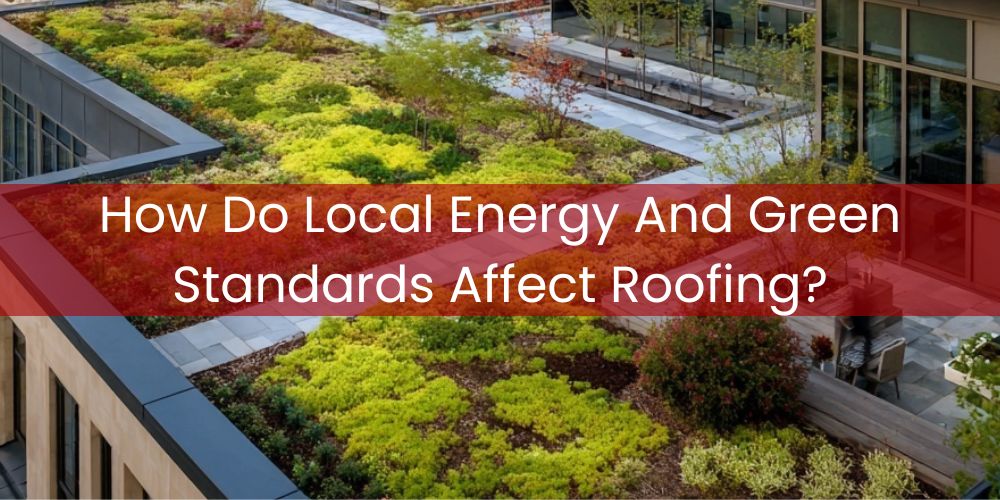
In Washington DC, local energy and green standards push roofing projects to prioritize energy efficiency and sustainable materials, often leading to the adoption of solar reflective coatings and green roofs. With the city’s focus on reducing carbon footprints and improving energy performance in buildings, these standards drive innovations that enhance insulation and minimize urban heat island effects. Compliance with these standards not only helps reduce energy costs but also boosts a building’s value and appeal by meeting stringent environmental criteria. For commercial building owners and facility managers in Washington DC, understanding the impact of these standards is crucial for optimizing building performance and maintaining compliance.
Commercial Roofing Washington DC provides commercial roofing services that comply with local energy codes and green building standards that influence roof design and performance in Washington DC and the Mid-Atlantic region. Energy and sustainability requirements affect factors such as roof reflectivity, insulation performance, material selection, and overall building efficiency. These standards are designed to reduce energy consumption, manage heat gain, and support long-term environmental performance without compromising roof durability. Our team stays current with evolving energy codes and green building initiatives to ensure commercial roofing systems are specified and installed in alignment with applicable requirements while supporting efficient, high-performing roof assemblies. Below will delve into the specific ways local energy and green standards shape roofing choices, exploring the benefits and considerations for businesses in the DC area.
What Are Local Energy and Green Standards in Commercial Roofing?
Local energy and green standards in commercial roofing are regulations ensuring eco-friendly and sustainable roofing practices. These standards often focus on energy efficiency, reduced environmental impact, and enhanced building performance. Adherence to these standards not only improves energy savings but also increases a building's marketability and longevity. Here's a detailed breakdown of the most important aspects of these standards and how they benefit commercial roofing projects.
- Energy Efficiency: Roofs must meet specific criteria to reduce energy consumption.
- Green Certifications: Compliance with certifications like LEED demonstrates sustainable practices.
- Use of Recyclable Materials: Emphasizes materials with low environmental impact.
- Thermal Performance: Ensures effective temperature regulation within commercial buildings.
- Stormwater Management: Regulates the handling of rainwater to minimize runoff.
1. Energy Efficiency: Roofs must meet specific criteria to reduce energy consumption.
Energy efficiency refers to the ability of a roofing system to minimize energy use while maintaining comfort levels inside the building. This is crucial in commercial buildings, where energy costs can be significant, and sustainability is increasingly prioritized. By incorporating reflective materials and enhanced insulation properties, roofs play a pivotal role in reducing the building's energy footprint, often leading to substantial cost savings and compliance with local regulations.
2. Green Certifications: Compliance with certifications like LEED demonstrates sustainable practices.
Green certifications are formal recognitions that a building meets established sustainable building and safety standards. These certifications, such as the Leadership in Energy and Environmental Design (LEED), are crucial for demonstrating a commitment to eco-friendly practices in commercial roofing. Besides enhancing the building's market value, these certifications help in gaining tax breaks and meeting the increasing demand for sustainable development.
3. Use of Recyclable Materials: Emphasizes materials with low environmental impact.
This standard refers to the selection and use of materials that can be reused or recycled. Using recyclable materials in commercial roofing reduces waste and conserves resources, aligning with local energy and green standards. Materials such as metal roofing and certain types of rubber membranes are favored as they offer durability and a lower environmental footprint, enhancing the roof's sustainability profile.
4. Thermal Performance: Ensures effective temperature regulation within commercial buildings.
Thermal performance of a roof addresses its insulating capabilities to maintain a stable indoor climate. Effective thermal performance minimizes the need for additional heating or cooling, thereby reducing energy expenditure in commercial settings. Advanced thermal performance features in roofing, coupled with proper insulation, aid in meeting energy codes and improving occupant comfort.
5. Stormwater Management: Regulates the handling of rainwater to minimize runoff.
Stormwater management in roofing involves systems and designs that control rainwater accumulation and drainage. This plays a critical role in reducing the strain on local water systems and mitigating flood risks, an essential aspect of sustainable roofing practices. Green roofs and permeable materials are commonly utilized in commercial spaces to naturally absorb and filter stormwater, contributing to eco-friendly urban infrastructure.
Have a question about an upcoming project?
How Do These Standards Impact the Design and Material Choices for Commercial Roofs?
Commercial roofing standards significantly dictate the selection and design of roofing materials to ensure safety, efficiency, and longevity. These standards guide architects and engineers in choosing materials that meet necessary fire ratings, weather resistance, and energy efficiency requirements. Adhering to these standards helps in creating roofs that perform well under varied conditions, optimizing the building's operational cost and sustainability. Here are key impacts of these standards on designing and selecting materials for commercial roofs:
- Building Code Compliance: Ensures materials meet local and national safety regulations.
- Weather Resistance: Influences the choice of materials to withstand environmental factors.
- Energy Efficiency: Encourages use of reflective materials to lower energy consumption.
- Fire Safety: Requires materials to meet fire-resistance standards to prevent hazards.
- Sustainability: Promotes environmentally-friendly materials that support green building initiatives.
1. Building Code Compliance: Ensures materials meet local and national safety regulations.
Building code compliance refers to adherence to the regulations that dictate construction standards. Compliance ensures that roofing materials are selected based on a unified criterion of safety and quality. This influences the design of commercial roofs by restricting or allowing specific materials that meet these standards. Meeting local and national codes is crucial for legal reasons and guarantees that the roof's construction aligns with public safety and structural integrity requirements. Such compliance affects insurance premiums and eligibility for certain permits.
2. Weather Resistance: Influences the choice of materials to withstand environmental factors.
Weather resistance is the ability of roofing materials to endure harsh weather conditions. These standards ensure materials are chosen based on their capacity to handle rain, wind, snow, or heat effectively. This leads to longer-lasting roofs and protects buildings from water damage and structural issues. Materials must be capable of maintaining their properties under varying weather conditions, reducing long-term maintenance costs and preserving the building's interior environment.
3. Energy Efficiency: Encourages use of reflective materials to lower energy consumption.
Energy efficiency involves selecting materials that reduce energy usage by moderating indoor temperatures. Standards guide the use of energy-efficient materials that contribute to reducing HVAC loads, thereby minimizing energy costs. This often means incorporating reflective surfaces that deflect sunlight and reduce heat absorption. Efficient energy design in roofing contributes to sustainability goals and can qualify buildings for energy tax credits or rebates, making them more attractive to eco-conscious businesses.
4. Fire Safety: Requires materials to meet fire-resistance standards to prevent hazards.
Fire safety standards ensure that roofing materials do not ignite or exacerbate fires. Materials must comply with fire resistance ratings to minimize the spread of fire, which helps protect the building and its occupants. Selecting fire-rated materials is essential for obtaining building permits and aligning with safety codes. Fire safety standards influence not only the choice of materials but also their installation and maintenance, impacting the overall design strategy of commercial roofs.
5. Sustainability: Promotes environmentally-friendly materials that support green building initiatives.
Sustainability in roofing standards involves choosing materials that have a lower environmental impact. These standards advocate for the use of recyclable, renewable, or biodegradable materials in commercial roofing to reduce carbon footprints. Sustainable roofing initiatives often include green roofing systems or materials with reduced environmental impact. Following these sustainability criteria can enhance a building's LEED certification prospects and appeal to tenants interested in reducing their ecological impact.
What Are the Long-Term Benefits of Complying with Local Energy and Green Standards?
Complying with local energy and green standards offers lasting benefits such as reduced energy costs and enhanced building value. By adhering to these standards, businesses can enjoy financial savings, environmental protection, and improved reputation. Let's explore the top five long-term benefits of compliance with local energy and green standards.
- Energy Efficiency: Reduces energy consumption and lowers utility bills.
- Enhanced Property Value: Increases the market value of your property.
- Environmental Protection: Reduces carbon footprint and conserves natural resources.
- Improved Indoor Comfort: Ensures better temperature regulation and air quality.
- Regulatory Compliance: Avoids fines and ensures eligibility for incentives.
1. Energy Efficiency: Reduces energy consumption and lowers utility bills.
Energy efficiency refers to using less energy to perform the same task, reducing energy waste. By complying with local energy standards, businesses can optimize their roofing systems for better insulation and thermal control. This results in significant energy savings over time, as heating and cooling demands decrease. Such improvements not only lower utility costs but also contribute to sustainability goals, making energy-efficient properties more attractive in the market.
2. Enhanced Property Value: Increases the market value of your property.
Enhanced property value means the assessed monetary worth of a building increases over time. Green-certified buildings are often more attractive to buyers and tenants, reflecting positively in their appraisal and resale values. Meeting and exceeding local energy and green standards can significantly boost a property's market standing. Additionally, energy-efficient properties tend to command higher rental rates, ensuring more consistent and improved returns on investment.
3. Environmental Protection: Reduces carbon footprint and conserves natural resources.
Environmental protection involves practices that reduce harm or adverse effects on the natural world. Complying with green standards helps minimize resource depletion and greenhouse gas emissions. This conscious effort not only preserves the planet's health but brands a company as environmentally responsible. Such positive reputation enhances stakeholder trust and community relations while fostering a more sustainable business environment.
4. Improved Indoor Comfort: Ensures better temperature regulation and air quality.
Improved indoor comfort is the enhancement of living environments for health and well-being. Green roofing solutions provide superior insulation and ventilation, maintaining optimal indoor temperatures and improving air quality. This results in an enhanced experience for building occupants, which is crucial for productivity and satisfaction. The consistent indoor climate also extends the lifespan of HVAC systems, reducing maintenance costs and further contributing to building efficiency.
5. Regulatory Compliance: Avoids fines and ensures eligibility for incentives.
Regulatory compliance entails meeting all legal and official requirements to avoid penalties. Adhering to local standards reduces the risk of legal fines and penalties, safeguarding your business from unexpected expenses. Additionally, compliant buildings may qualify for government incentives and rebates, which can offset initial compliance costs. This financial advantage, combined with potential tax breaks, makes compliance a sound investment strategy for securing future benefits.
Need Commercial Roofing Services That Meet Energy and Green Building Standards?
Failure to comply with energy or sustainability standards can lead to delayed approvals, increased operating costs, and missed efficiency opportunities. Our commercial roofing services are designed to meet local energy and green building requirements across Washington DC and the Mid-Atlantic region, helping property owners achieve compliance while improving roof performance. Contact Commercial Roofing Washington DC today to schedule commercial roofing services that comply with local energy and green building standards throughout Washington DC and the Mid-Atlantic region.