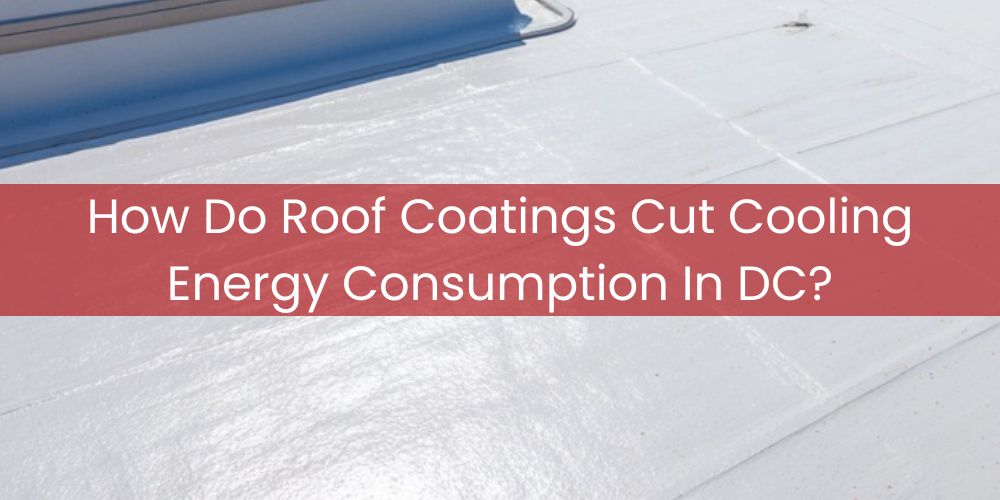
Roof coatings in Washington, DC reduce cooling energy consumption by reflecting more sunlight and absorbing less heat than standard roofs, leading to cooler building interiors during hot summer months. Due to Washington DC's humid subtropical climate, the use of reflective roof coatings can significantly lower air conditioning requirements, cutting energy costs and diminishing urban heat island effects. These coatings offer an eco-friendly solution that not only extends the lifespan of commercial roofs but also provides potential tax benefits and improved energy efficiency ratings for building owners. In Washington DC, cool roof coatings can reduce the surface temperature of roofs by up to 50°F, thereby decreasing the cooling energy needs of commercial properties. Their reflective nature helps mitigate some of the intense heat from the summer sun, offering businesses a sustainable way to curb energy usage and reduce greenhouse gas emissions. Additionally, these coatings can help improve the overall urban environment by lessening heat-related stress on local power grids during peak usage times.
For commercial building owners and facility managers in Washington, DC, understanding how cool roof coatings work is essential for optimizing energy savings and enhancing building sustainability. Commercial Roofing Washington DC provides professional commercial roof coating services designed to reduce cooling energy consumption on commercial buildings across Washington DC and the Mid-Atlantic region. Reflective roof coating systems lower rooftop temperatures by reducing solar heat gain, which helps decrease the load placed on air conditioning systems during warmer months. By improving roof reflectivity and stabilising interior temperatures, roof coatings contribute to more efficient HVAC operation and reduced energy usage. When incorporated into a scheduled maintenance or restoration program, coating systems offer a cost-effective solution for improving energy performance without the disruption of full roof replacement. Below, we’ll explore the benefits of cool roof coatings, explain how they function in DC’s climate, and provide tips on selecting the best coating solutions for your building’s needs.
What Are Cool Roof Coatings and How Do They Work?
Cool roof coatings are reflective surfaces applied to roofs to reduce heat absorption from sunlight. By reflecting more sunlight and absorbing less heat, they help lower roof temperatures significantly, which subsequently reduces the building's cooling needs. This technology not only increases a building's energy efficiency but also enhances roof durability and lessens the urban heat island effect. Here's how cool roof coatings contribute to energy savings and environmental benefits:
- Reflectivity: High reflective surfaces to reduce heat absorption and lower roof temperatures.
- Energy Efficiency: Minimizes energy consumption by reducing the need for air conditioning.
- Extended Roof Life: Mitigates thermal expansion and contraction for enhanced roof longevity.
- Environmental Benefits: Reduces urban heat island effect and mitigates greenhouse gas emissions.
- Cost Savings: Lowers energy bills and reduces maintenance costs over time.
1. Reflectivity: High reflective surfaces to reduce heat absorption and lower roof temperatures.
Reflectivity is the ability of a surface to reflect sunlight and heat away from it. Cool roof coatings are engineered to maximize reflectivity, which significantly lowers the amount of heat that the roof absorbs. By keeping the roof cooler, these coatings help in maintaining lower interior temperatures, which is especially beneficial in warmer climates, thus reducing the load on air conditioning systems.
2. Energy Efficiency: Minimizes energy consumption by reducing the need for air conditioning.
Energy efficiency refers to using less energy to perform the same task or obtain the same result. By reflecting sunlight and reducing heat gain, cool roof coatings help keep buildings cooler, thereby decreasing the need for air conditioning. This reduction in energy consumption not only cuts down electricity bills but also reduces the building's carbon footprint, supporting more sustainable energy use practices.
3. Extended Roof Life: Mitigates thermal expansion and contraction for enhanced roof longevity.
Extended roof life is the increased lifespan of a roof due to reduced wear and tear. Cool roof coatings help minimize thermal fluctuations, which reduces the expansion and contraction stress experienced by roofing materials. This results in less frequent repairs and replacements, making it a cost-effective choice for long-term roof maintenance.
4. Environmental Benefits: Reduces urban heat island effect and mitigates greenhouse gas emissions.
Environmental benefits refer to the positive impact on the natural world, including reducing pollution and conserving resources. Cool roof coatings help in reducing the heat absorbed into urban areas, mitigating the urban heat island effect. Additionally, by lowering energy consumption, cool roofs contribute to decreased greenhouse gas emissions, supporting climate change mitigation efforts.
5. Cost Savings: Lowers energy bills and reduces maintenance costs over time.
Cost savings involve spending less money, typically through efficiency and reduction of waste. While the initial application of cool roof coatings may have a cost, the reduction in energy bills over time and less frequent roof maintenance lead to notable savings. These cost benefits help justify the investment in cool roof technology, making it an economically attractive option for building owners.
Have a question about an upcoming project?
Why Are Cool Roof Coatings Beneficial for Commercial Buildings?
Cool roof coatings are beneficial for commercial buildings as they significantly reduce energy consumption by reflecting sunlight and decreasing roof temperatures. They improve the building’s thermal comfort, increase roof lifespan, and contribute to energy savings, making them an attractive option for environmentally conscious businesses. Here are the key benefits of applying cool roof coatings to commercial buildings:
- Energy Efficiency: Reduces energy usage by reflecting sunlight and lowering building temperatures.
- Cost Savings: Decreases cooling costs by reducing the need for air conditioning.
- Environmental Impact: Minimizes urban heat island effect and lowers carbon footprint.
- Increased Roof Lifespan: Protects roof materials from thermal expansion and ultraviolet damage.
- Improved Indoor Comfort: Enhances thermal comfort for occupants without increasing energy consumption.
1. Energy Efficiency: Reduces energy usage by reflecting sunlight and lowering building temperatures.
Energy efficiency refers to the ability to use less energy to provide the same level of roof protection and thermal control. Cool roof coatings are designed to reflect more sunlight and absorb less heat than standard roofing materials, which helps maintain a lower temperature for the building. By reducing the amount of heat that enters a building, cool roofs decrease the demand for air conditioning, thereby lowering energy consumption. This energy efficiency not only results in cost savings for building owners but also reduces strain on the power grid. In areas with high temperatures and long sunny days, the energy savings from cool roof coatings can be particularly significant, making them a smart choice for commercial buildings aiming for sustainability and cost-effectiveness.
2. Cost Savings: Decreases cooling costs by reducing the need for air conditioning.
Cost savings refer to the reduction of expenditures related to energy and maintenance costs. Applying cool roof coatings can lead to significant reductions in cooling costs due to their sunlight reflective properties. By lowering roof temperatures, cool roof coatings help to decrease the need for air conditioning, especially during peak hot weather, leading to direct cost savings. This reduction in energy usage effectively translates into lower utility bills for commercial building owners. Furthermore, the initial investment in cool roof coatings can be recouped over time through these cost savings, making it a financially viable choice for businesses.
3. Environmental Impact: Minimizes urban heat island effect and lowers carbon footprint.
Environmental impact in this context is the reduction of negative effects that roofing may have on the environment. Cool roof coatings help mitigate the urban heat island effect by reflecting more sunlight and emitting absorbed heat. Urban areas often experience higher temperatures due to dense concentrations of buildings and limited vegetation. By adopting cool roofs, commercial buildings can significantly minimize their contribution to this phenomenon. Moreover, decreasing the amount of energy used for cooling can lead to reduced greenhouse gas emissions, thus lowering the building’s carbon footprint and supporting environmental sustainability efforts.
4. Increased Roof Lifespan: Protects roof materials from thermal expansion and ultraviolet damage.
Increased roof lifespan refers to prolonging the life of roofing materials by protecting them from harmful conditions. Cool roof coatings offer protection against thermal expansion, contraction, and ultraviolet (UV) radiation damage. By maintaining a cooler roof surface temperature, these coatings help prevent the deterioration of roofing materials, reducing the frequency of repairs and replacements needed. This prolongs the life of the roof, leading to further cost savings for building owners. Additionally, this protection can enhance the roof’s overall performance, ensuring it remains functional and effective over time, despite exposure to harsh environmental conditions.
5. Improved Indoor Comfort: Enhances thermal comfort for occupants without increasing energy consumption.
Improved indoor comfort means better temperature regulation within a building, leading to a more pleasant environment for its occupants. Cool roof coatings help maintain cooler indoor temperatures without additional energy use. By reducing the heat transfer from the roof to the interior, cool roofs maintain a more consistent indoor climate, enhancing the comfort level for employees and customers. This improved comfort can have positive effects on worker productivity and customer satisfaction. Instead of relying solely on air conditioning, which increases energy consumption, cool roof coatings offer a more sustainable approach to maintaining a comfortable indoor environment, especially critical during the summer months.
How Can Cool Roof Coatings Lead to Energy Savings in Cooling Systems?
Cool roof coatings reduce energy consumption by reflecting sunlight and lowering roof temperatures. By decreasing the amount of heat transferred into a building, these coatings lead to lower cooling costs. As a result, they help maintain comfortable indoor temperatures while reducing the load on air conditioning systems. The following list outlines the key benefits of cool roof coatings and how they contribute to energy savings:
- Reflectivity: Deflects sunlight to keep building interiors cooler.
- Temperature Reduction: Lowers roof surface temperatures significantly.
- Energy Consumption: Decreases the energy needed for air conditioning.
- Peak Demand: Reduces peak electricity demand during hot periods.
- Longevity: Prolongs roof lifespan through reduced thermal stress.
1. Reflectivity: Deflects sunlight to keep building interiors cooler.
Reflectivity refers to the ability of a surface to reflect sunlight, often measured by the solar reflectance index (SRI). Cool roof coatings have high reflectivity, allowing them to bounce a greater portion of sunlight away from the building. This reduces heat absorption through the roof, minimizing the amount of heat transferred indoors, which translates to cooler buildings and less reliance on air conditioning systems.
2. Temperature Reduction: Lowers roof surface temperatures significantly.
Temperature reduction involves the decrease in the roof surface temperature due to reflective properties. Cool roofs can be up to 50°F cooler than standard roofs under peak heat conditions. This significant drop in temperature mitigates the heat island effect in urban areas and contributes to overall cooler building environments during hot weather.
3. Energy Consumption: Decreases the energy needed for air conditioning.
Energy consumption refers to the amount of energy used by building systems, particularly HVAC systems. By reflecting more sunlight and reducing interior heat gain, cool roof coatings lessen the demand on air conditioning units. Consequently, buildings use less energy for cooling, offering cost savings and reducing the carbon footprint associated with energy production.
4. Peak Demand: Reduces peak electricity demand during hot periods.
Peak demand is the highest energy demand within a specific period, often associated with extreme weather. Cool roof coatings diminish the need for peak electricity consumption, easing the burden on the grid. This is particularly beneficial during summer months when energy demand for cooling is at its peak, promoting energy sustainability and efficiency.
5. Longevity: Prolongs roof lifespan through reduced thermal stress.
Longevity relates to the extension of the roof's useful life due to decreased thermal cycling. By maintaining a more constant temperature range, cool roof coatings minimize thermal expansion and contraction. This reduction in thermal stress helps in averting premature degradation of roofing materials, effectively elongating the roof's service life and mitigating replacement costs.
Looking to Reduce Cooling Energy Consumption With Your Commercial Roof?
High cooling demand can significantly increase operating costs for commercial buildings. Our commercial roof coating services are designed to help reduce cooling energy consumption and improve overall roof performance across Washington DC and the Mid-Atlantic region. Contact Commercial Roofing Washington DC today to schedule commercial roof coating services that help lower cooling energy consumption throughout Washington DC and the Mid-Atlantic region.