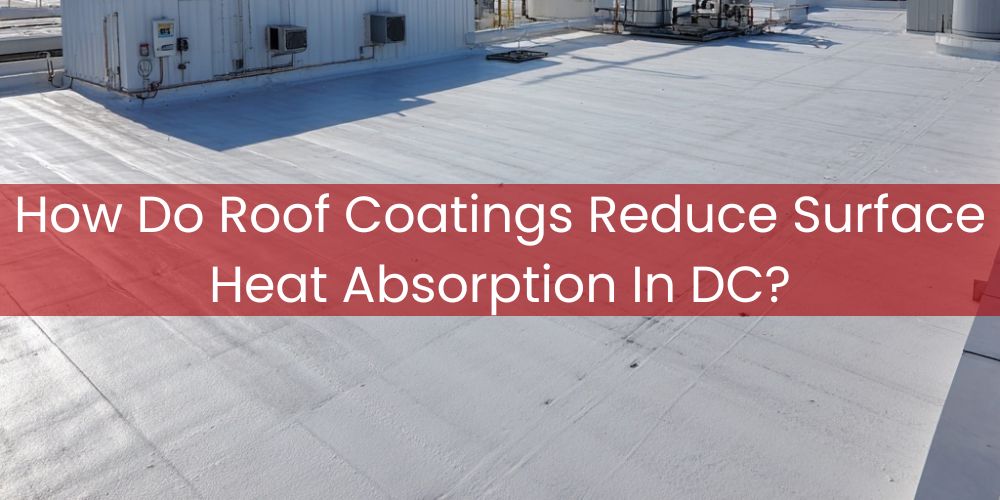
In Washington DC, roof coatings reduce surface heat absorption by reflecting a significant portion of the sun’s rays, thereby decreasing the amount of heat transferred into the building. For commercial buildings in the capital city, this is particularly important given the hot and humid summers, which can drive up cooling costs and strain HVAC systems. Reflective roof coatings, often in lighter colors, help mitigate these expenses by lowering roof temperatures, improving energy efficiency, and enhancing indoor comfort. Reflecting solar radiation is crucial in Washington DC, where summer temperatures often soar, causing discomfort and heightened energy usage in commercial spaces. Additionally, buildings in the city benefit from the extended durability and protection against UV degradation provided by these coatings, which in turn prolongs the life of the roofing material. This protective measure is both cost-effective and eco-friendly, benefiting building owners and the environment alike.
For commercial building owners and facility managers in Washington DC, understanding how roof coatings work to reduce surface heat is essential for managing energy bills and extending roof life. Commercial Roofing Washington DC provides professional commercial roof coating services designed to reduce heat absorption on commercial buildings across Washington DC and the Mid-Atlantic region. Reflective roof coating systems help limit solar heat gain by increasing roof surface reflectivity, lowering rooftop temperatures, and reducing the amount of heat transferred into the building. When applied as part of a scheduled maintenance or restoration program, roof coatings improve overall building energy performance while also protecting the underlying roofing system from UV exposure and thermal stress. These solutions are commonly used to enhance roof efficiency and extend service life on large commercial properties. Below, we’ll analyze how different roof coatings work, discuss their benefits, and provide insights into selecting the best options for Washington DC’s unique climate conditions.
What Are Roof Coatings and How Do They Work?
Roof coatings are protective layers applied to the roof surface, designed to extend its lifespan and improve performance. These coatings work by creating a seamless barrier that can resist various environmental impacts such as UV rays, water, and extreme temperatures. They are particularly beneficial in enhancing a roof's durability, energy efficiency, and weather resistance, which can lead to significant long-term savings. Here are the key features and benefits of roof coatings, ordered by importance:
- Weather Resistance: Protects roofs from harsh environmental conditions like rain, wind, and sun.
- Energy Efficiency: Reflective properties reduce heat absorption, leading to lower cooling costs.
- Extended Roof Life: Adds a layer of protection to prolong the roof's serviceable years.
- Cost-Effective Maintenance: Minimizes the need for frequent and costly roof repairs.
- Environmental Benefits: Reduces waste by delaying roof replacements and lowering energy consumption.
1. Weather Resistance: Protects roofs from harsh environmental conditions like rain, wind, and sun.
Weather resistance refers to a roof coating's ability to withstand environmental stressors such as rain, wind, and solar radiation. By forming a protective shield, these coatings prevent moisture penetration and safeguard the roof structure. This resilience reduces wear and tear, preventing leaks and other damages typically caused by adverse weather events, ultimately preserving the roof's integrity for the long haul.
2. Energy Efficiency: Reflective properties reduce heat absorption, leading to lower cooling costs.
Energy efficiency in roof coatings involves the ability to reflect sunlight and release absorbed heat. This characteristic significantly lowers the building's internal temperature, reducing the dependence on air conditioning. Consequently, building owners can enjoy decreased energy bills, while also contributing to a smaller carbon footprint and lessening urban heat effects.
3. Extended Roof Life: Adds a layer of protection to prolong the roof's serviceable years.
Extended roof life describes the prolongation of a roof's functional period due to protective coatings. By safeguarding roofs from elements like UV rays and moisture, the coatings prevent premature aging. This prolonged lifespan means that owners experience fewer disruptions and costs associated with replacement, allowing for a better return on investment over time.
4. Cost-Effective Maintenance: Minimizes the need for frequent and costly roof repairs.
Cost-effective maintenance refers to the reduction in required repairs and maintenance due to roof coatings. By preventing damage and leaks, coatings reduce the frequency and severity of necessary repairs. This results in significant cost savings over the roof's lifespan and allows for better allocation of maintenance budgets.
5. Environmental Benefits: Reduces waste by delaying roof replacements and lowering energy consumption.
Environmental benefits involve the positive impact of roof coatings on ecological conservation and energy reduction. These coatings decrease the frequency of roof replacements, reducing construction waste and resource use. Additionally, by enhancing solar reflectivity, they cut energy demand, further promoting environmental sustainability and contributing to greener building practices.
Have a question about an upcoming project?
Why Is Reducing Surface Heat Absorption Important for Commercial Roofing?
Reducing surface heat absorption is critical for maintaining energy efficiency and prolonging the lifespan of commercial roofing systems. High surface temperatures can lead to increased energy costs due to more air conditioning use and can cause premature wearing and damage to roofing materials. Reflective roofing materials that minimize heat absorption can reduce cooling costs and extend roof longevity. Here are the key reasons why reducing surface heat absorption is important for commercial roofing:
- Energy Efficiency: Reflective roofs decrease cooling demands, lowering energy costs significantly.
- Material Longevity: Less heat absorption reduces thermal stress on roofing materials.
- Interior Comfort: Maintaining a cooler roof leads to more consistent indoor temperatures.
- Environmental Impact: Reduces urban heat island effect and associated environmental consequences.
- Cost Savings: Initial investment is offset by long-term savings in energy and maintenance.
1. Energy Efficiency: Reflective roofs decrease cooling demands, lowering energy costs significantly.
Energy efficiency refers to the reduction of energy consumption without compromising comfort or operational performance. By using reflective materials that minimize heat absorption, business facilities require less air conditioning, leading to reduced energy bills. This efficiency is particularly crucial during peak summer months when cooling demands are highest. Reflective roofing materials can reflect up to 80% of the sun's rays, significantly reducing the need for artificial cooling. Over time, this can result in substantial savings on energy costs, making reflective roofing a smart investment.
2. Material Longevity: Less heat absorption reduces thermal stress on roofing materials.
Material longevity refers to the lifespan and durability of roofing materials when subjected to environmental elements. Mainly driven by temperature fluctuations, thermal stress can cause roofing materials to expand and contract, leading to cracks and other forms of damage. By minimizing surface heat absorption, reflective roofs help maintain a stable temperature, extending the roof's overall lifespan by preventing premature degradation and the need for frequent repairs.
3. Interior Comfort: Maintaining a cooler roof leads to more consistent indoor temperatures.
Interior comfort is the measurement of how indoor environments remain bearable and conducive for occupants. Cool roofs help reduce the temperature of the roof surface, improving the building's overall cooling efficiency and the comfort of its occupants. By keeping the roof surface cooler, reflective materials ensure a more balanced indoor climate, minimizing temperature variations and improving occupant productivity and comfort.
4. Environmental Impact: Reduces urban heat island effect and associated environmental consequences.
The urban heat island effect occurs when urban areas become significantly warmer than their rural surroundings. By reducing heat absorption with reflective roofing materials, businesses can help mitigate the urban heat island effect, particularly in densely built environments. Decreasing surface temperatures contributes to lowering air temperatures and improving air quality, positively impacting both environmental and public health.
5. Cost Savings: Initial investment is offset by long-term savings in energy and maintenance.
Cost savings refer to the reduction in expenses over time due to energy savings and reduced maintenance. While reflective roofing materials can be more expensive initially, the long-term financial savings are notable, particularly from lower energy bills and maintenance costs. Over the lifespan of a commercial roof, these savings can substantially outweigh the initial installation costs, making reflective roofs not only environmentally responsible but also economically advantageous.
How Do Specific Types of Roof Coatings Minimize Heat Absorption?
Certain roof coatings minimize heat absorption by reflecting solar energy and improving thermal emittance. These coatings play a critical role in reducing overall building temperature, thereby enhancing energy efficiency and comfort. The effectiveness of these coatings is influenced by their material composition, color, and application technologies. The following list outlines the key ways in which specific types of roof coatings work to minimize heat absorption effectively:
- Reflective Properties: Coatings reflect sunlight, reducing heat absorbed by the roof.
- Material Composition: Contains compounds that enhance thermal emittance and insulation.
- Color Selection: Light-colored coatings reflect more heat compared to dark ones.
- Advanced Technologies: Incorporates infrared reflective materials for better heat control.
- Energy Efficiency: Reduces cooling needs, slashing energy costs and consumption.
1. Reflective Properties: Coatings reflect sunlight, reducing heat absorbed by the roof.
Reflective properties allow a roof coating to bounce back sunlight rather than absorb it. By reflecting solar energy, these coatings drastically decrease the amount of heat penetrating the roof, thus keeping the building cooler. This reduction in heat gain can significantly lower indoor temperatures and reduce the strain on air conditioning systems.
2. Material Composition: Contains compounds that enhance thermal emittance and insulation.
Material composition refers to the specific elements used in roof coatings that maximize their protective effectiveness. Compounds such as acrylic, silicone, and polyurethane are often used for their superior insulation and thermal emittance properties. These materials help to prevent heat transfer, ensuring that less heat is absorbed by underlying roof structures. Over time, the use of such materials can contribute to prolonged roof life and increased energy efficiency for buildings.
3. Color Selection: Light-colored coatings reflect more heat compared to dark ones.
Color selection plays a crucial role in the thermal performance of roof coatings. Light-colored or white coatings are particularly effective in reflecting more sunlight and preventing heat absorption. The albedo effect, which is the measure of how much light that hits a surface is reflected without being absorbed, is maximized with lighter colors. This color strategy is a simple yet powerful way to enhance a building's energy efficiency.
4. Advanced Technologies: Incorporates infrared reflective materials for better heat control.
Advanced technologies in roof coatings incorporate infrared reflective materials which target a broader spectrum of sunlight. By reflecting infrared radiation, which accounts for significant heat energy, these coatings provide superior thermal comfort. Such technologies are especially beneficial in hotter climates and are becoming increasingly popular in modern roofing solutions.
5. Energy Efficiency: Reduces cooling needs, slashing energy costs and consumption.
Energy efficiency in roof coatings refers to the ability to maintain comfortable indoor temperatures while minimizing energy use. By reflecting heat and improving insulation, these coatings reduce the need for air conditioning. This not only lowers energy costs but also decreases the environmental impact associated with high energy consumption. The long-term benefits include sustainable building practices and reduced carbon footprints.
Looking to Reduce Heat Absorption on Your Commercial Roof?
Excessive heat absorption can increase cooling demand and strain HVAC systems during warmer months. Our commercial roof coating services are designed to reduce heat gain and improve roof performance for commercial buildings across Washington DC and the Mid-Atlantic region. Contact Commercial Roofing Washington DC today to schedule commercial roof coating services that reduce heat absorption and improve building efficiency throughout Washington DC and the Mid-Atlantic region.