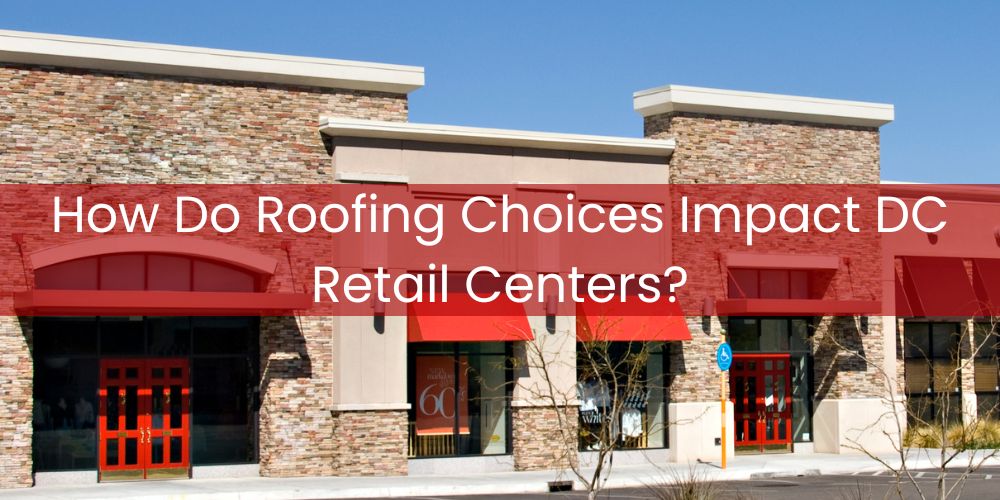
In Washington DC, roofing choices significantly impact retail centers by affecting energy efficiency, sustainability, and operational costs due to the city's distinct climate and regulatory environment. DC's variable weather, from hot, humid summers to cold, snowy winters, demands roofing solutions that provide year-round energy performance and environmental resilience. Utilizing reflective roofing materials can reduce cooling costs and meet the city's stringent energy codes, while sustainable options like vegetative roofs contribute to environmental goals and urban heat mitigation. For business owners and facility managers in Washington DC, selecting the right roof is crucial for optimizing operational efficiency and compliance with local regulations.
Commercial Roofing Washington DC provides professional commercial roofing services for retail centers throughout Washington DC and the Mid-Atlantic region. We understand that retail properties require roofing systems that protect inventory, support tenant operations, and minimise disruption to customers and daily business activities. Our services are designed to address the unique demands of retail environments, including large roof areas, frequent rooftop access, drainage management, and the need for reliable leak prevention. From routine inspections and maintenance to targeted repairs and full roof replacements, we deliver roofing solutions that support long-term performance and operational continuity for retail centers. Below, we’ll explore the various roofing options available, their specific advantages, and the considerations necessary for maximizing the long-term performance of retail centers in the DC area.
What Are the Key Roofing Options for Retail Centers in Washington DC?
Retail centers in Washington DC require commercial roofing systems that prioritise waterproofing reliability, drainage performance, minimal disruption to tenants, and predictable long-term maintenance. Unlike other commercial properties, retail buildings often feature large roof areas, multiple tenant penetrations, parapets, and drainage points that directly affect storefronts below. Roofing systems must perform consistently through DC’s heavy rainfall, freeze–thaw cycles, and seasonal temperature variation while allowing for phased repairs and maintenance without interrupting business operations. The following roofing options are commonly used on retail centers in Washington DC, based on their suitability for retail operating conditions rather than generic material characteristics.
- TPO Single-Ply Roofing Systems
- EPDM Single-Ply Roofing Systems
- Modified Bitumen Roofing Systems
- Built-Up Roofing (BUR) Systems
- PVC Single-Ply Roofing Systems
1. Built-Up Roofing (BUR) Systems
Built-up roofing systems are most commonly found on older retail centers, legacy shopping plazas, and large-format properties where durability and redundancy were historically prioritised. BUR assemblies consist of multiple layers of reinforcing fabric and bitumen, creating a thick, robust waterproofing system that offers strong resistance to water intrusion when properly detailed. For retail properties with expansive roof areas, this multi-layer construction provides a degree of redundancy, meaning isolated surface damage is less likely to result in immediate leaks. BUR systems also tolerate routine rooftop access for HVAC servicing and inspections, which is common in retail environments. However, their relatively high dead load, longer installation timelines, and limited flexibility compared to modern membranes mean structural capacity, drainage performance, and long-term maintenance strategy must be carefully assessed during re-roofing or retrofit projects.
2. Modified Bitumen Roofing Systems
Modified bitumen roofing systems are widely used on retail centers where durability, puncture resistance, and adaptability to phased installation are important. These systems combine asphalt with polymer reinforcement, allowing them to better accommodate temperature variation and roof movement than traditional BUR assemblies. In retail settings, modified bitumen performs well around frequent penetrations such as mechanical curbs, rooftop units, signage supports, and tenant-installed equipment. The system’s compatibility with existing roofs makes it a common choice for partial replacements or overlay projects where maintaining operations during installation is critical. Long-term performance depends heavily on seam detailing, penetration flashing, and regular inspection, particularly in areas subject to foot traffic and tenant-driven roof access.
3. TPO Single-Ply Roofing Systems
TPO roofing systems are among the most prevalent choices for modern retail centers due to their balance of energy performance, installation efficiency, and cost control. Reflective TPO membranes reduce heat absorption, helping to lower cooling demand across large retail spaces during summer months and supporting compliance with energy-efficiency requirements. From an operational perspective, TPO systems allow for relatively fast installation over large areas, reducing disruption to tenants. Their smooth, light-coloured surface also aids in visual inspection and leak detection. However, performance is highly dependent on proper seam welding, perimeter securement, and drainage design. Poor installation or detailing can significantly reduce service life, making contractor quality and ongoing maintenance critical factors in retail applications.
4. EPDM Single-Ply Roofing Systems
EPDM roofing systems are commonly used on retail centers with large, uncomplicated roof geometries where long-term flexibility and ease of repair are priorities. The rubber membrane remains highly elastic across Washington DC’s seasonal temperature swings, allowing it to accommodate freeze–thaw cycles and structural movement without cracking or splitting. This flexibility reduces stress at seams, penetrations, and terminations, which is particularly valuable in retail environments where rooftop modifications frequently occur due to tenant turnover. EPDM systems are well suited to long-term asset management strategies, offering predictable performance, straightforward repair procedures, and compatibility with phased upgrades over the life of the building.
5. PVC Single-Ply Roofing Systems
PVC roofing systems are selected for retail properties where environmental exposure places higher demands on the roof assembly. These systems are particularly well suited to retail centers with food service tenants, grease exhaust systems, chemical exposure, or elevated rooftop temperatures. PVC membranes feature heat-welded seams that create a continuous, chemically resistant waterproofing layer, offering strong long-term performance in demanding conditions. While PVC systems typically involve higher upfront costs, they are often chosen where durability, resistance to contaminants, and reduced long-term risk outweigh initial investment considerations. For retail operators managing mixed-use tenants, PVC provides an added margin of protection against tenant-related roof degradation.
Have a question about an upcoming project?
How Do Different Commercial Roofing Systems Affect Energy Efficiency and Maintenance Costs in Washington DC?
In Washington DC, the impact of roofing systems on energy efficiency and maintenance costs is determined by roof assembly design, membrane performance, insulation strategy, and drainage reliability, rather than roofing material alone. Commercial buildings in the Mid-Atlantic experience both significant cooling demand in summer and heating demand in winter, making balanced thermal performance and moisture control essential. The following factors explain how common commercial roofing systems influence long-term energy performance and maintenance requirements.
- Reflective Membranes and Cooling Energy Performance
- Insulation Design and Thermal Stability
- Maintenance Costs Driven by Drainage and Roof Complexity
- Material Flexibility and Repairability
- Lifecycle Cost Versus Initial Installation Cost
1. Reflective Membranes and Cooling Energy Performance
Reflective single-ply roofing membranes such as TPO and PVC play a significant role in reducing cooling energy demand on commercial buildings in Washington DC, particularly during prolonged summer heat and high solar exposure. By reflecting a large percentage of incoming solar radiation, these membranes reduce rooftop surface temperatures, which in turn limits conductive heat transfer into the building. This reduction in heat gain lowers peak cooling loads, allowing HVAC systems to operate more efficiently during periods of high occupancy. In large retail and commercial spaces with expansive roof areas, even modest reductions in rooftop temperature can translate into measurable energy savings and improved indoor comfort. Reflective performance is most effective when membranes are kept clean and paired with insulation assemblies designed to limit heat transfer below the roof surface.
2. Insulation Design and Thermal Stability
Insulation strategy is the primary driver of year-round energy efficiency in commercial roofing systems. The type of insulation, its thickness, placement above or below the roof deck, and the continuity of the insulation layer all influence thermal performance. In Washington DC’s mixed climate, commercial roofs must manage both summer heat gain and winter heat loss, making balanced insulation design critical. Properly designed insulation assemblies reduce temperature fluctuations within the building, stabilize interior conditions, and reduce cycling demands on HVAC systems. Thermal bridges caused by gaps, compressions, or inconsistent insulation coverage can significantly undermine performance, regardless of membrane type. Effective insulation design therefore has a greater impact on long-term energy costs than the choice of roofing membrane alone.
3. Maintenance Costs Driven by Drainage and Roof Complexity
Long-term maintenance costs on commercial roofs are shaped less by the membrane material and more by how effectively the roof manages water and accommodates complexity. Flat and low-slope commercial roofs depend on functional drainage systems to prevent ponding water, which accelerates membrane aging, stresses seams, and increases leak risk. Roofs with numerous penetrations, equipment curbs, parapets, and internal drains require more frequent inspection and maintenance to ensure detailing remains watertight. Poor drainage design or neglected outlets can dramatically increase maintenance costs over time, regardless of the roofing system installed. Roofing systems that allow easy access to drains, clear inspection of seams, and straightforward repairs tend to deliver lower lifecycle maintenance costs.
4. Material Flexibility and Repairability
Material flexibility directly affects how a roofing system responds to thermal movement, structural deflection, and seasonal temperature swings. Membranes such as EPDM remain highly elastic across a wide temperature range, allowing them to accommodate expansion and contraction without cracking or seam failure. This flexibility reduces stress at penetrations, terminations, and transitions, which are common failure points on commercial roofs. Repairability is equally important from a cost-control perspective. Roofing systems that allow localized repairs enable facility managers to address isolated issues caused by tenant improvements, equipment replacements, or accidental damage without disrupting the entire roof assembly. This capability extends service life and helps prevent premature replacement driven by minor, repairable defects.
5. Lifecycle Cost Versus Initial Installation Cost
In commercial roofing, focusing solely on initial installation cost often leads to higher total ownership costs over time. A system with a lower upfront price may require more frequent maintenance, offer shorter service life, or lack repair flexibility, increasing operational expenses and disruption. Lifecycle cost evaluation considers energy performance, durability, maintenance frequency, repairability, and expected service life together rather than in isolation. Roofing systems selected with this long-term perspective typically provide greater operational stability, predictable budgeting, and fewer emergency interventions. For commercial building owners and operators in Washington DC, lifecycle-driven decisions consistently outperform short-term cost savings when measured over the full lifespan of the roof.
How Roofing Performance Protects Business Reputation and Operations
In commercial buildings, roofing performance protects business reputation and operations by preventing disruptions, maintaining interior conditions, and supporting consistent day-to-day functionality. While roofing systems are rarely visible to customers or occupants, failures are immediately noticeable when they occur. Leaks, interior damage, temporary closures, or emergency repairs directly affect customer experience, tenant confidence, and operational continuity. In Washington DC and the Mid-Atlantic region, reliable roofing performance is a critical component of professional facility management and business risk control. The following factors explain how commercial roofing systems protect reputation and operations in practical, measurable ways.
- Prevention of Operational Disruption and Downtime
- Protection of Interior Assets and Finishes
- Support for Tenant and Occupant Confidence
- Reduction of Emergency Repairs and Public-Facing Failures
- Alignment With Professional Facility Management Standards
- Indirect Support for Sustainability and Operational Accountability
1. Prevention of Operational Disruption and Downtime
Roof leaks and weather-related roofing failures are among the most common causes of unplanned operational disruption in commercial buildings. Water intrusion can force temporary closures of retail units, hotel rooms, office areas, or service spaces while damage is assessed and repaired. In customer-facing environments, even short interruptions can lead to lost sales, cancelled bookings, or reduced foot traffic. Beyond immediate revenue loss, visible disruptions such as ceiling failures, temporary barriers, or active leak containment undermine customer confidence. Roofing systems that maintain watertight integrity during storms, heavy rainfall, and seasonal weather events allow businesses to operate continuously without emergency shutdowns, preserving both revenue flow and professional credibility.
2. Protection of Interior Assets and Finishes
The primary function of a commercial roofing system is to protect the building interior from moisture exposure. When roofs fail, water intrusion can damage ceilings, flooring, wall finishes, lighting systems, electrical infrastructure, IT equipment, and tenant-installed improvements. Inventory loss, equipment downtime, and repeated interior repairs carry both direct costs and indirect reputational consequences. Visible water staining, patched ceilings, or damaged finishes create the perception of neglect and poor facility oversight. Consistent roofing performance protects interior assets, reduces insurance claims, and helps maintain a clean, orderly environment that supports customer confidence and tenant satisfaction.
3. Support for Tenant and Occupant Confidence
In multi-tenant commercial buildings, roofing performance has a direct impact on tenant relationships and retention. Recurrent leaks, prolonged repair activity, or unresolved moisture issues erode tenant confidence in property management’s ability to protect their space and operations. This is particularly critical for retail tenants, professional offices, and hospitality operators whose businesses depend on reliable, interruption-free environments. Reliable roofing systems signal proactive asset management, reducing complaints, service requests, and disputes. Over time, consistent roof performance contributes to stable occupancy, lower tenant turnover, and stronger long-term leasing relationships.
4. Reduction of Emergency Repairs and Public-Facing Failures
Emergency roofing repairs are inherently disruptive and highly visible. They often involve interior containment measures such as buckets, plastic sheeting, ceiling removal, or restricted access areas that draw attention to building deficiencies. After-hours work, noise, and temporary closures can further inconvenience occupants and customers. From a reputational standpoint, emergency repairs are damaging because they occur publicly and under pressure. Roofing systems supported by regular inspection, preventative maintenance, and early intervention reduce the likelihood of sudden failures. This allows issues to be addressed discreetly, during planned maintenance windows, and without exposing building users to visible disruption.
5. Alignment With Professional Facility Management Standards
Consistent roofing performance is a core indicator of professional facility management and long-term asset stewardship. Well-managed buildings remain dry, functional, and operational regardless of weather conditions, demonstrating preparedness and competence. Roofing systems that perform reliably reflect disciplined inspection schedules, maintenance planning, and informed capital investment decisions. For stakeholders such as tenants, investors, and partners, this reliability reinforces confidence in building management and ownership. Even though the roof itself is largely unseen, its performance contributes materially to perceptions of organisational capability and operational maturity.
6. Indirect Support for Sustainability and Operational Accountability
Roofing performance supports sustainability and accountability through measurable operational outcomes rather than visual branding. Energy-efficient roof assemblies reduce heating and cooling demand, contributing to lower energy consumption and operating costs. Durable systems with longer service lives reduce material waste and replacement frequency, supporting environmental responsibility. Documented maintenance programs and performance data provide tangible evidence of responsible operation, regulatory compliance, and long-term planning. These outcomes strengthen sustainability credentials and operational accountability without relying on visible features, allowing businesses to demonstrate commitment through performance rather than appearance.
Need Commercial Roofing Services for a Retail Center?
Retail centers depend on dependable roofing systems to protect tenants, merchandise, and customer spaces. Our commercial roofing services are tailored to the needs of retail properties across Washington DC and the Mid-Atlantic region, with a focus on durability, efficiency, and minimal disruption. Contact Commercial Roofing Washington DC today to discuss commercial roofing services designed for retail centers throughout Washington DC and the Mid-Atlantic region.