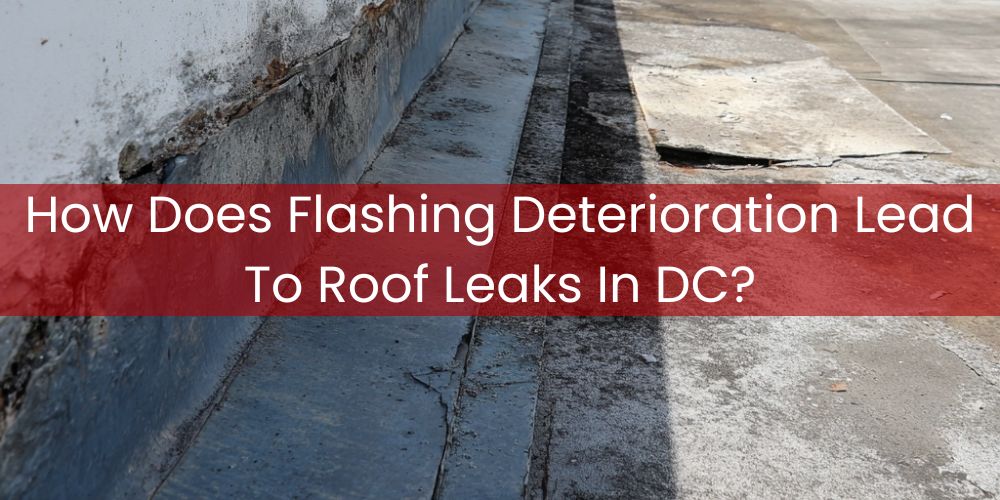
Flashing performance plays a critical role in the long-term reliability of commercial roofing systems in Washington, DC, where freeze–thaw cycles, wind-driven rain, and seasonal temperature swings place constant stress on roof details. Flashings at penetrations, parapet walls, perimeter edges, and transitions are the most common points of failure on commercial roofs, and even minor deterioration can allow moisture intrusion that disrupts building operations. In DC’s dense commercial environment, undetected flashing failure often leads to interior damage, tenant complaints, equipment exposure, and costly emergency repairs. Routine maintenance focused on flashing condition is essential for preventing leaks, protecting interior assets, and maintaining uninterrupted building use.
For commercial property owners and facility managers in Washington, DC, understanding how flashing deterioration contributes to roof leaks is critical to protecting long-term asset value. Commercial Roofing Washington DC provides specialised commercial roof maintenance services designed to identify flashing deterioration and prevent roof leaks across Washington DC and the Mid-Atlantic region. Our maintenance programs focus on high-risk roof details rather than surface-level wear, allowing issues to be addressed before water intrusion occurs. Through scheduled inspections, targeted repairs, and preventative detailing reinforcement, we help commercial buildings remain watertight, operational, and protected from avoidable leak-related damage. Below, we’ll examine the most common flashing-related failure points in DC commercial roofs and explain how proactive maintenance reduces long-term risk and repair costs.
What is roof flashing, and why is it important in commercial roofing?
Roof flashing is a thin material, usually metal, installed to prevent water penetration in critical roof areas. It directs the flow of water away from seams and joints, significantly reducing the risk of leaks. In commercial roofing, flashing is vital as it enhances the structural integrity of the roof by protecting vulnerable areas from water damage. Here are the reasons why roof flashing is crucial in commercial roofing:
- Waterproofing: Shields seams and joints from water infiltration.
- Durability: Supports roof longevity by preventing water-related damage.
- Energy Efficiency: Helps prevent heat loss and maintain indoor temperature.
- Seam Protection: Reinforces joints and connections against environmental elements.
- Maintenance Reduction: Minimizes repair needs due to better initial water management.
1. Waterproofing: Shields seams and joints from water infiltration.
Waterproofing is the process of rendering a surface resistant to the passage of water. This is critical in roofing, preventing water from breaching seams and joints. Without effective waterproofing, commercial roofs could suffer from leaks and subsequent damage, necessitating costly repairs and potential operational interruptions. Flashing plays a pivotal role by redirecting water, ensuring it does not pool or enter the interior structure, thereby preserving the roof's integrity.
2. Durability: Supports roof longevity by preventing water-related damage.
Durability indicates the ability of a material to withstand wear, pressure, or damage. For commercial roofs, durability ensures that the roof can maintain functionality for an extended period. Roof flashing contributes to this by combatting water-related deterioration, which is a primary factor in the degradation of roofing materials. Ensuring the longevity of a roof is crucial for businesses to minimize expenses and maintain steady operations without frequent disruptions due to roof repairs or replacements.
3. Energy Efficiency: Helps prevent heat loss and maintain indoor temperature.
Energy efficiency refers to using less energy to provide the same level of building performance. In the context of roofing, energy-efficient structures can reduce heating and cooling costs. Roof flashing assists in this by sealing gaps where heat could escape and insulating the building more effectively. As a result, businesses can benefit from lower energy bills and a reduced carbon footprint, aligning with environmental responsibility goals.
4. Seam Protection: Reinforces joints and connections against environmental elements.
Seam protection involves shielding the vulnerable joints and overlaps within a roofing system. Seams and joints are potential weak points where water can infiltrate, causing damage. Flashing serves as a barrier, enhancing the strength and resilience of these intersections against adverse weather conditions. This reinforcement is crucial for maintaining the overall health of the roof and preventing premature failure of the roofing system.
5. Maintenance Reduction: Minimizes repair needs due to better initial water management.
Maintenance reduction refers to the decrease in repair and upkeep frequency and costs. By effectively managing water flow and protecting against leaks, flashing reduces the likelihood of water-induced damage. This proactive protection decreases the need for frequent inspections and repairs. Businesses can thus allocate resources more efficiently, focusing less on emergency repairs and more on regular, planned maintenance strategies.
Have a question about an upcoming project?
How does flashing deterioration occur in commercial roofs?
Flashing deterioration in commercial roofs occurs due to various factors, including weather exposure and poor installation. Constant exposure to harsh weather conditions like rain, wind, and sunlight can weaken flashing over time. Additionally, improper installation or substandard materials can accelerate degradation, leading to leaks and structural vulnerabilities. Flashing is crucial for protecting roof intersections from water intrusion. Here’s how its deterioration occurs:
- Weather Exposure: Continuous impact from extreme weather conditions leads to wear and tear.
- Installation Errors: Poor installation can immediately compromise flashing integrity.
- Material Aging: Over time, materials naturally degrade and lose protective qualities.
- Thermal Expansion: Temperature fluctuations cause flashing to contract and expand.
- Physical Damage: Impacts from debris or foot traffic can cause physical weaknesses.
1. Weather Exposure: Continuous impact from extreme weather conditions leads to wear and tear.
Weather exposure refers to the ongoing impact of environmental elements on roof flashing. Elements like rain, wind, and ultraviolet rays from the sun slowly erode the material's surface, weakening it over time. In areas with harsh or fluctuating weather, this can be a serious issue that necessitates frequent maintenance and inspections. When flashing is continuously exposed without proper maintenance, it might lose its protective coating, leading to water retention and eventual leaks. It’s important for commercial property owners to implement a regular inspection schedule to identify early signs of wear and address them promptly. Reinforcing vulnerable flashing areas with additional waterproofing treatments can also prolong its lifespan and effectiveness.
2. Installation Errors: Poor installation can immediately compromise flashing integrity.
Installation errors occur when flashing is improperly set up during roof construction. This can result from inadequate alignment, insufficient materials, or failure to secure flashing tightly. These errors can immediately lessen the flashing’s effectiveness, allowing water infiltration and resultant damage. A poorly installed flashing system is more susceptible to being lifted or displaced, especially in windy conditions, exposing seams where water can penetrate the roof. For commercial buildings, this not only increases repair costs but also risks interior damage and structural issues. Ensuring that flashing is expertly installed by qualified roofing professionals is essential to preventing these costly problems.
3. Material Aging: Over time, materials naturally degrade and lose protective qualities.
Material aging is the process by which roofing materials, including flashing, lose quality and efficiency as they age. Factors like UV exposure, precipitation, and temperature shifts contribute to this gradual decline. Continuous use and stress exposure accelerate the aging process, necessitating either repairs or replacements. Older flashings become more brittle, losing flexibility and resistance to environmental stressors. As flashings age, they may develop cracks and splits, offering pathways for water to enter the roof system. Regular inspections can determine when the flashing reaches a stage of deterioration that warrants replacement to maintain roof integrity.
4. Thermal Expansion: Temperature fluctuations cause flashing to contract and expand.
Thermal expansion describes how materials physically expand in heat and contract in cold temperatures. This constant movement creates stress on the roofing materials, potentially leading to breaks or separations. In flashing, this can cause rupture or weakening at connection points, crucially impacting water resistance. In regions with broad temperature variance between seasons, flashing is subjected to continuous expansion and contraction cycles. Over time, these movements can cause the flashing to lose its bond with other roofing materials, creating gaps. Temperature-compatible flashing materials and installation techniques that accommodate movement can mitigate these effects and prolong roof life.
5. Physical Damage: Impacts from debris or foot traffic can cause physical weaknesses.
Physical damage to roof flashing occurs when external objects or regular foot traffic cause direct harm to the material. Sharp debris from storms or heavy objects inadvertently dropped during maintenance can puncture or bend flashing, creating vulnerabilities. In commercial settings, where rooftop HVAC systems or other equipment may necessitate regular access, ensuring protective measures against accidental damage is essential. Wearing appropriate footwear, using designated walkways, and removing any debris promptly can reduce the likelihood of physical damage, preserving the flashing’s condition and function.
In what ways can deteriorated flashing lead to active roof leaks?
Deteriorated flashing can lead to significant active roof leaks by allowing water infiltration. Flashing serves as a protective barrier at joints and edges vulnerable to water intrusion. When flashing fails, it can create pathways for water to penetrate the roof, leading to structural damage and interior leaks. Here are some key reasons deteriorated flashing can cause active roof leaks:
- Water Intrusion: Creates paths for water to enter the roof structure.
- Seal Degradation: Breakdown of seals around roof intersections and penetrations.
- Material Compromise: Rust or corrosion weakens flashing durability.
- Lost Adhesion: Flashing separates from roof surfaces and components.
- Improper Installation: Poor initial setup exacerbates deterioration issues.
1. Water Intrusion: Creates paths for water to enter the roof structure.
Water intrusion occurs when water finds its way through areas where the roofing materials should provide a watertight seal. Flashing is designed to prevent such intrusions by acting as a barrier at critical points on the roof. When flashing deteriorates, it loses its ability to prevent water from infiltrating those joint areas. This intrusion can lead to significant issues, including the growth of mold, structural damage, and interior leaks that might damage ceilings, walls, and building contents.
2. Seal Degradation: Breakdown of seals around roof intersections and penetrations.
Seal degradation refers to the wearing or breakdown of seals that should keep water out. Flashing often incorporates sealants to ensure that no water sneaks through the areas where the flashing meets roofing materials or other structures. When these seals break down, it leaves gaps for water to exploit. This can cause water to seep into these junctions, often without being immediately spotted, leading to a slow accumulation of damage inside the structure.
3. Material Compromise: Rust or corrosion weakens flashing durability.
Material compromise occurs when roofing materials lose their integrity, often due to rust or corrosion. Flashing, especially when made of metal, is susceptible to corrosion, which can thin or crack the material over time. This compromise renders flashing incapable of performing its protective role effectively. As metal flashing becomes further compromised, it loses its ability to prevent water from entering through the roof's vulnerable junctions and edges.
4. Lost Adhesion: Flashing separates from roof surfaces and components.
Lost adhesion refers to the detachment of flashing from the surfaces it is meant to protect. When flashing loses adhesion, it often pulls away from the roof or other adjoining surfaces, leaving gaps or creating displacement issues. This separation allows water to infiltrate where the flashing should provide a seamless barrier. The introduction of gaps due to lost adhesion can exacerbate water intrusion, often unnoticed until water damage becomes evident inside the structure.
5. Improper Installation: Poor initial setup exacerbates deterioration issues.
Improper installation implies that flashing was not correctly placed or sealed during the original installation. This faulty installation creates a foundation for problems, exacerbating deterioration once the elements take their toll on the roof. Initial mistakes in positioning or sealing flashing components can lead to premature degradation and inefficiency. Long-term exposure, combined with incorrect installation, heightens the susceptibility of flashing to allow moisture to breach the intended waterproof barrier.
Need Commercial Roof Maintenance to Prevent Flashing-Related Leaks?
Flashing deterioration is one of the leading causes of commercial roof leaks in Washington DC and the Mid-Atlantic region. Commercial Roofing Washington DC provides professional commercial roof maintenance services focused on identifying flashing failures early and preventing water intrusion before it disrupts operations. Contact Commercial Roofing Washington DC today to schedule a maintenance inspection and protect your building from costly, avoidable roof leaks.