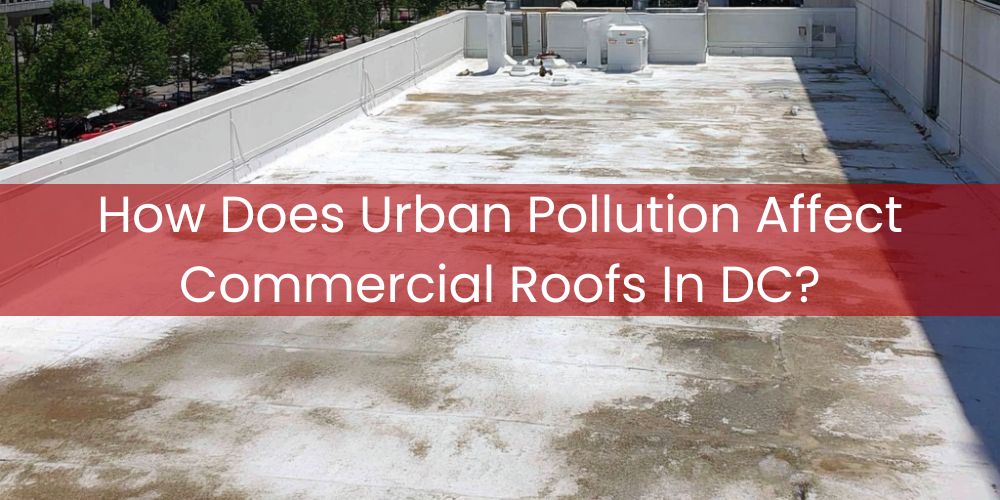
Commercial roofs in Washington DC are significantly impacted by urban pollution, which accelerates the deterioration of roofing materials through chemical reactions and physical wear. The high concentration of pollutants in the DC area, such as vehicle emissions and industrial particulates, can lead to acid rain, speeding up corrosion and membrane degradation on commercial rooftop surfaces. Additionally, the constant accumulation of particulate matter can obstruct drainage systems, leading to water pooling and increased moisture retention, which exacerbates material breakdown and leaks.
For commercial property owners and facility managers in Washington DC, understanding the effects of urban pollution on roofing systems is crucial for proactive maintenance and cost-effective management. Commercial Roofing Washington DC considers the impact of urban pollution and airborne contaminants when delivering commercial roofing services across Washington DC and the Mid-Atlantic region. In dense urban environments, roofing systems are regularly exposed to pollutants such as exhaust particulates, industrial residue, and airborne chemicals that can accelerate membrane degradation, coating breakdown, and corrosion. Our approach takes these environmental factors into account through material selection, protective coatings, detailing, and maintenance strategies designed to withstand pollutant exposure. By addressing urban contamination risks, we help commercial roofing systems maintain performance, durability, and service life in challenging metropolitan conditions. Below, we’ll explore the specific ways pollution impacts commercial roofs, recommend protective measures, and provide advice on maintaining roofing health amidst the urban environment of the capital city.
What types of urban pollution are most prevalent in DC and how do they impact commercial roofing materials?
Urban pollution in DC, particularly from vehicle emissions and industrial activities, can degrade commercial roofing materials. Pollutants such as sulfur dioxide, nitrogen oxides, and particulate matter contribute to the wear and tear of roofs by promoting chemical reactions, corrosion, and the accumulation of grime. Understanding these impacts is crucial for implementing appropriate maintenance and protective measures for commercial roofs in urban settings like Washington, D.C. Here is a list of key urban pollution factors affecting commercial roofing in Washington, D.C., organized by importance:
- Acid Rain: Precipitated by air pollutants, harms roofing materials by accelerating degradation.
- Soot and Particulate Matter: Causes physical abrasion and darkening of roof surfaces.
- Vehicle Emissions: Nitrogen oxides and sulfur dioxide worsen chemical wear on materials.
- Ozone Levels: Higher concentrations contribute to faster material breakdown.
- Industrial Pollutants: Chemical discharges can lead to corrosion and discoloration.
1. Acid Rain: Precipitated by air pollutants, harms roofing materials by accelerating degradation.
Acid rain refers to precipitation that contains higher levels of sulfuric and nitric acids. In urban settings like D.C., acid rain results from air pollutants reacting with atmospheric moisture. These acids exacerbate the deterioration of roofing materials, particularly metals and stone, leading to issues like corrosion, surface pitting, and the breakdown of protective coatings. The impacts include reduced lifespan of roofing materials and potentially higher maintenance costs, necessitating the use of more durable and acid-resistant materials or treatments to protect commercial roofs effectively.
2. Soot and Particulate Matter: Causes physical abrasion and darkening of roof surfaces.
Soot and particulate matter refer to fine particles released into the air through combustion processes. These pollutants can accumulate on roof surfaces, causing physical wear and aesthetic damage by darkening surfaces and obstructing sunlight. Over time, this build-up can lead to increased surface temperatures and thermal stress on roofing materials. Regular cleaning and maintenance are essential to minimize these effects, and selecting roofing materials with smooth surfaces can help reduce soot adhesion.
3. Vehicle Emissions: Nitrogen oxides and sulfur dioxide worsen chemical wear on materials.
Vehicle emissions primarily consist of nitrogen oxides (NOx) and sulfur dioxide (SO₂). In D.C., the heavy traffic flow contributes significantly to the concentration of these emissions. These gases can react with moisture and oxygen to form acids, directly contributing to the chemical wear of roofing materials. Using membrane roofing materials designed to resist chemical attacks or applying protective coatings can mitigate these effects, helping extend the life of commercial roofs.
4. Ozone Levels: Higher concentrations contribute to faster material breakdown.
Ozone is a reactive gas formed by the reaction of sunlight with pollutants like NOx and volatile organic compounds (VOCs). In urban areas, elevated ozone levels can lead to faster degradation of certain roofing materials, especially polymers and rubbers. The oxidative stress caused by ozone can result in cracking, brittleness, and a general decrease in material integrity. Implementing preventive measures such as selecting ozone-resistant materials and applying UV-protective coatings can help mitigate these challenges in commercial roofing.
5. Industrial Pollutants: Chemical discharges can lead to corrosion and discoloration.
Industrial pollutants encompass a variety of chemical compounds released from factories and manufacturing plants. Though D.C. has a smaller industrial footprint, nearby regions might contribute to airborne chemicals that drift into the city. These chemicals can settle on roofing surfaces, leading to corrosion of metals and discoloration of lighter materials. Regular inspections and the application of corrosion-resistant materials are advisable to protect against the detrimental effects of industrial pollutants on commercial roofing in urban environments.
Have a question about an upcoming project?
How does the accumulation of pollutants on commercial roofs in DC compromise their structural integrity and lifespan?
The accumulation of pollutants on commercial roofs in Washington, DC can significantly degrade roofing materials, leading to reduced structural integrity and a shortened lifespan. Pollutants like soot, dust, and industrial emissions can chemically react with roofing materials or promote water retention, accelerating wear and corrosion. This not only compromises the roof's durability but also increases maintenance costs and the risk of leaks and damage. The following list details how pollutants negatively impact commercial roofs:
- Chemical Reactions: Pollutants cause harmful chemical interactions with roof materials.
- Moisture Retention: Pollutants promote water retention, fostering rot and mold growth.
- Surface Wear: Accumulated pollutants expedite the abrasion and erosion of roofing surfaces.
- UV Degradation: Pollutants can exacerbate UV light damage to roofing materials.
- Aesthetic Decrease: Pollutants dull the roof's appearance, leading to potential property devaluation.
1. Chemical Reactions: Pollutants cause harmful chemical interactions with roof materials.
Chemical reactions involve pollutants reacting chemically with roof materials, often weakening them. Over time, pollutants such as sulfur dioxide and nitrogen oxides interact with roofing materials, causing corrosion and material breakdown. This degradation compromises the structural integrity of the roof, requiring premature replacements and repairs. Regular cleaning and applying protective coatings can help mitigate these effects by reducing the pollutant load on the roof's surface. Proactive maintenance can extend the lifespan of the roof and maintain its performance.
2. Moisture Retention: Pollutants promote water retention, fostering rot and mold growth.
Moisture retention occurs when pollutants increase the roof's ability to hold water, promoting decay. This damp environment encourages mold and rot, which can infiltrate and weaken the structural components of the roof. Roof inspections and prompt cleaning can prevent moisture buildup and protect the structural components. Additionally, addressing drainage issues and ensuring proper ventilation counteract the effects of water retention.
3. Surface Wear: Accumulated pollutants expedite the abrasion and erosion of roofing surfaces.
Surface wear involves the accelerated erosion of roofing surfaces due to pollutant buildup. Abrasive particles in pollutants act like sandpaper, wearing down the protective layers of roofing materials. This degradation exposes softer layers, leading to faster deterioration and increased vulnerability to environmental stresses. Routine maintenance and application of protective coatings can minimize surface wear.
4. UV Degradation: Pollutants can exacerbate UV light damage to roofing materials.
UV degradation refers to the breakdown of materials due to exposure to ultraviolet (UV) light. Pollutants can absorb and retain UV rays, intensifying their effect on roofing materials. This accelerated UV damage results in brittleness and cracking, reducing the roof's lifespan. Selection of UV-resistant materials and periodic inspections can help manage this risk apart from regular cleanliness.
5. Aesthetic Decrease: Pollutants dull the roof's appearance, leading to potential property devaluation.
An aesthetic decrease involves the visual impact pollutants have on the appearance of a roof. Pollutants accumulate and cause discoloration and dullness, negatively impacting the property's curb appeal. This visual degradation could potentially reduce property value and affect business perceptions for commercial properties. Regular cleaning schedules and the usage of advanced coatings that repel pollutants can maintain a roof's appearance and value.
What strategies can be implemented to protect and maintain commercial roofs in DC from urban pollution damage?
Regular maintenance combined with protective coatings can significantly enhance a commercial roof's resilience against urban pollution. Frequent inspections, combined with proactive cleaning and the application of protective materials, will prevent pollutants from accumulating and causing long-term damage. By implementing a strategic approach that includes both physical and aesthetic considerations, businesses can safeguard their investments and ensure roof longevity. The following strategies provide a comprehensive approach to protecting and maintaining commercial roofs in Washington, DC, from the adverse effects of urban pollution.
- Regular Inspections: Identify issues early to prevent pollution-related damage.
- Protective Coatings: Shield the roof surface from pollutants and environmental harm.
- Routine Cleaning: Remove accumulated debris and pollutants efficiently.
- High-Quality Materials: Use durable materials designed for urban environments.
- Vegetative Roof Systems: Naturally filter pollutants and improve air quality.
1. Regular Inspections: Identify issues early to prevent pollution-related damage.
Regular inspections involve periodic checks of the roof to spot potential problems. By identifying issues like cracks, leaks, or clogged drainage early, property owners can proactively address pollution-related damage. Considering DC’s urban environment and its associated pollutants, frequent inspections ensure that minor issues don't escalate into major repairs or replacements. An inspection schedule should be established that aligns with the building's materials and environmental exposure, ideally on a semi-annual basis.
2. Protective Coatings: Shield the roof surface from pollutants and environmental harm.
Protective coatings are specialized materials applied to the roof to prevent environmental damage. These coatings act as a barrier, shielding the roof from harmful pollutants, moisture, and UV radiation. In a bustling urban area like DC, using high-quality protective coatings is crucial to prolonging the lifespan of commercial roof systems. The coatings can enhance the roof's resistance to chemical pollution and weather elements, providing a cost-effective solution for long-term roof maintenance.
3. Routine Cleaning: Remove accumulated debris and pollutants efficiently.
Routine cleaning involves the timely removal of debris and pollutants from the roof surface. This process helps prevent the build-up of contaminants that can lead to deterioration. In urban areas, where pollution levels are high, regular cleaning is essential to maintain roof integrity and aesthetics. Scheduling regular cleaning not only preserves the roof's appearance but also reduces the risk of chemical interactions between pollutants and roofing materials.
4. High-Quality Materials: Use durable materials designed for urban environments.
Utilizing high-quality materials ensures the roof can endure harsh urban conditions. These materials are designed to be more resistant to pollution-related wear and tear. Selecting such materials for roofing can be crucial in a city like DC, where environmental stressors are common. Investing in quality materials upfront can reduce long-term maintenance costs and enhance roof performance.
5. Vegetative Roof Systems: Naturally filter pollutants and improve air quality.
Vegetative roof systems incorporate living plants on the roof surface to provide natural filtration. These systems absorb pollutants, improve air quality, and offer additional insulation. In urban settings, green roofs can be an excellent strategy for mitigating the effects of pollution while simultaneously enhancing a building's environmental footprint. Aside from pollution control, they contribute to biodiversity, reduce urban heat, and can potentially lower energy costs through improved insulation.
Concerned About Urban Pollution Impacting Your Commercial Roof?
Urban pollution and airborne contaminants accelerate roof surface degradation, coating breakdown, and drainage issues across Washington DC. Commercial Roofing Washington DC provides commercial roof inspections and maintenance services designed to identify pollution-related deterioration early and prevent premature roof failure. Contact Commercial Roofing Washington DC to discuss maintenance strategies that protect commercial roofs across DC and the Mid-Atlantic region.