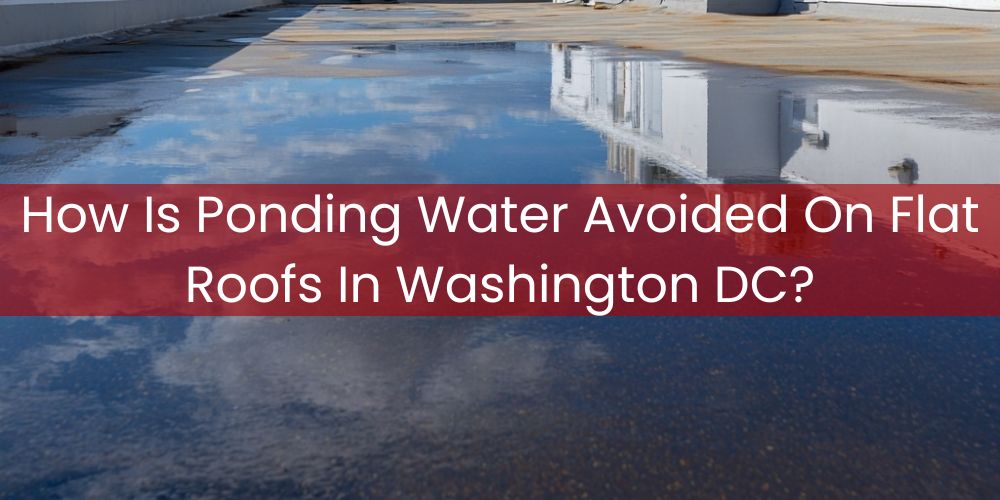
In Washington DC, ponding water on flat roof structures is avoided by ensuring proper drainage through the strategic design and installation of tapered insulation or roof slopes. This approach helps water flow effectively towards drains, scuppers, or gutters, minimizing water accumulation that can cause roof damage over time. In DC's varying climate, where both rain and snow can be frequent, maintaining an efficient drainage system is vital for preventing leaks and structural deformation in commercial buildings. For business and facility managers in Washington DC, understanding effective ponding water prevention is essential for maintaining roof integrity and avoiding costly repairs.
Commercial Roofing Washington DC provides professional commercial roof maintenance services for flat and low-slope roof structures across Washington DC and the Mid-Atlantic region. Flat roofs require ongoing maintenance to manage drainage, protect membranes, and address areas vulnerable to wear and water accumulation. Our maintenance services focus on routine inspections, drain and scupper upkeep, sealant and flashing checks, and early identification of conditions that can lead to leaks or system deterioration. By maintaining flat roof systems proactively, we help commercial property owners reduce the risk of premature failure, extend roof service life, and maintain reliable building protection. In this blog, we will delve into specific techniques and solutions for optimizing flat roof drainage systems in DC’s unique climate and building environments.
What Causes Ponding Water on Flat Roofs in Commercial Buildings?
Ponding water on flat roofs is primarily caused by poor drainage and structural issues. When water cannot adequately flow off a roof due to design flaws or blockages, it can lead to accumulated water that becomes ponding. Addressing these issues requires ensuring proper slope and drainage systems are in place. To better understand the causes of ponding water, consider the following factors:
- Poor Roof Design: Inadequate slope allows water accumulation.
- Clogged Drains: Debris blocking drainage points hinders water flow.
- Structural Sagging: Weak roof areas cause water collection.
- Roof Membrane Issues: Damaged surfaces can exacerbate water retention.
- Heavier Rainfalls: Increases the challenge of efficient drainage.
1. Poor Roof Design: Inadequate slope allows water accumulation.
Poor roof design refers to the inadequate slope or pitch on a flat roof. Without a proper slope, water can't drain efficiently, leading to pooling and potential damage. Implementing a minimum recommended slope design can significantly reduce the risk of water retention and potential roof damage. Engineers and architects should carefully design flat roofs with adequate pitch to ensure effective drainage. Addressing this issue in the design phase can prevent long-term maintenance problems and extend the lifespan of the roof.
2. Clogged Drains: Debris blocking drainage points hinders water flow.
Clogged drains occur when leaves, dirt, or debris block the roof’s drainage system. This blockage prevents water from flowing off the roof, leading to pooling areas. Regular maintenance and cleaning of drains are essential to avoid water accumulation and its harmful effects. Building managers should implement routine inspections and cleaning to keep the drainage system clear. Effective maintenance can prevent water from lingering on the roof and mitigate the risks associated with ponding.
3. Structural Sagging: Weak roof areas cause water collection.
Structural sagging refers to sections of the roof that settle or depress over time. This sagging creates low points where water can easily collect, exacerbating ponding issues. Regular structural assessments are critical to identifying and addressing potential weak points early. Failing to remediate these structural issues can lead to more extensive water damage, requiring costly repairs. By reinforcing or correcting structural weaknesses, owners can maintain roof integrity and prevent moisture-related issues.
4. Roof Membrane Issues: Damaged surfaces can exacerbate water retention.
Roof membrane issues arise from tears, punctures, or deterioration in the roofing material. Such defects compromise the roof's ability to repel water, leading to increased water accumulation. Regular inspections and prompt repairs can mitigate these issues and maintain membrane integrity. By addressing roof membrane problems early, building owners can prevent more significant damage and costly water-related repairs. Routine maintenance ensures that the protective quality of the membrane is upheld, reducing the risk of ponding.
5. Heavier Rainfalls: Increases the challenge of efficient drainage.
Heavier rainfalls refer to increased and more intense precipitation events. These conditions can overwhelm drainage systems, causing water to remain on the roof longer. Enhancing drainage capacity can better accommodate increased rainfall and reduce ponding incidents. Climate change and weather patterns indicate potentially heavier rainstorms, making robust drainage systems more critical. Effective system upgrades can prevent ponding and its associated damage by improving water diversion during heavy rainfalls.
Have a question about an upcoming project?
How Can Design and Materials Help Prevent Ponding Water?
The design and choice of materials in roofing can mitigate ponding water by incorporating proper drainage and selecting appropriate roofing materials. Ponding water can cause structural damage and shorten a roof's lifespan, making prevention critical. Proper roofing design and material selection ensure efficient water runoff and enhance roof durability against standing water-related issues. The following list highlights key aspects that can help prevent ponding water on roofs:
- Drainage Slope: Ensures effective water runoff and minimizes ponding risks.
- Proper Roofing Material: Selects materials that resist water absorption and facilitate drainage.
- Enhancing Structural Design: Supports the roof's ability to manage water load efficiently.
- Regular Maintenance: Identifies and fixes potential ponding issues early.
- Installation of Scuppers: Provides an outlet for trapped water to exit the roof.
1. Drainage Slope: Ensures effective water runoff and minimizes ponding risks.
A drainage slope is the angled design of a roof to facilitate water runoff. By directing water toward drains and away from the roof, a proper slope minimizes the risk of ponding water. Utilizing the correct pitch during the design phase ensures that rainwater doesn't accumulate, reducing the likelihood of structural damage and maintaining roof integrity over time.
2. Proper Roofing Material: Selects materials that resist water absorption and facilitate drainage.
Using appropriate roofing materials can prevent water absorption and facilitate drainage. Materials like TPO and PVC are not only resistant to water but are also designed to promote natural runoff. Choosing materials that withstand prolonged exposure to water without degrading ensures the roof remains effective under various weather conditions.
3. Enhancing Structural Design: Supports the roof's ability to manage water load efficiently.
Structural design enhancement involves building roofs capable of bearing water load without damage. Ensuring that the roof's framework can support weight and facilitate drainage minimizes long-term risks. This approach integrates lightweight yet robust technologies to enable water dispersion, keeping the structure safe from the burdens of water accumulation.
4. Regular Maintenance: Identifies and fixes potential ponding issues early.
Regular maintenance involves inspecting and maintaining the roof to prevent ponding water. Identifying issues like blocked drains, debris accumulation, or structural weaknesses early can prevent ponding from becoming a significant issue. Proactive maintenance strategies help in sustaining the roof's performance and prolonging its lifespan.
5. Installation of Scuppers: Provides an outlet for trapped water to exit the roof.
Scuppers are openings in a roof's side that allow water to drain off. They serve as an auxiliary drainage system, especially in flat roofs, diverting water away from building surfaces. Scuppers effectively prevent water from becoming trapped, reducing pressure on the roofing material and enhancing the overall safety and efficacy of the roof.
What Maintenance Practices Are Essential for Preventing Ponding on Flat Roofs?
Regular maintenance and inspections are crucial to preventing ponding on flat roofs by ensuring proper drainage. Ponding can lead to roof deterioration and leaks, compromising the integrity of the roofing system. Implementing effective maintenance practices prolongs the lifespan of flat roofs and reduces repair costs. Here are five essential maintenance practices to prevent ponding on flat roofs:
- Ensure Proper Drainage: Regularly clean and inspect drains and gutters for blockages.
- Level Roof Surface: Adjust any sagging areas to prevent water accumulation.
- Inspect Flashings and Seals: Regularly check for deterioration or damage that can lead to leaks.
- Schedule Regular Roof Inspections: Conduct bi-annual inspections to identify potential ponding issues.
- Install Roof Taper Systems: Enhance drainage efficiency by ensuring a sloped roof surface.
1. Ensure Proper Drainage: Regularly clean and inspect drains and gutters for blockages.
Proper drainage is the systematic removal of water from the roof surface. Ensuring no blockages in drains and gutters prevents water accumulation that can cause ponding on flat roofs. Water pooling can lead to structural damage, promoting mold growth and shortening the roof's lifespan. Regular cleaning minimizes these risks and preserves the roof's integrity.
2. Level Roof Surface: Adjust any sagging areas to prevent water accumulation.
Leveling the roof surface involves correcting any depressions that can trap water. Flat roofs often develop low spots due to structural shifts, leading to ponding water if left uncorrected. Timely repairs and adjustments to the roof surface will prevent water retention, which in turn prevents damage and degradation of roofing materials.
3. Inspect Flashings and Seals: Regularly check for deterioration or damage that can lead to leaks.
Flashings and seals are protective materials designed to repel water at roof joints. Compromised flashings or seals can result in leaks that contribute to water buildup and ponding. Regular inspections help identify weaknesses and allow for immediate repair, maintaining the roof's water-repellent properties and integrity.
4. Schedule Regular Roof Inspections: Conduct bi-annual inspections to identify potential ponding issues.
Regular roof inspections are routine checks conducted to evaluate the roof's condition. These inspections are vital for spotting early signs of ponding and potential roof vulnerabilities. By addressing issues promptly discovered during inspections, preventative maintenance ensures the roof efficiency and extends its life span.
5. Install Roof Taper Systems: Enhance drainage efficiency by ensuring a sloped roof surface.
Roof taper systems involve creating a gentle slope on the flat roof for better water runoff. These systems help redirect water flow towards drains, reducing the risk of ponding. Installing a taper system is a proactive approach that effectively manages rainwater and prevents potential water-related damage to the roof structure.
Need Commercial Roof Maintenance for Flat Roofs Susceptible to Ponding Water?
Flat and low-slope roof structures are particularly susceptible to ponding water, which can accelerate membrane breakdown and increase the likelihood of leaks if not properly managed. Our scheduled commercial roof maintenance services are designed to identify drainage issues early, maintain water flow, and address areas where standing water may develop. Contact Commercial Roofing Washington DC today to schedule commercial roof maintenance services for flat roof structures susceptible to ponding water across Washington DC and the Mid-Atlantic region.