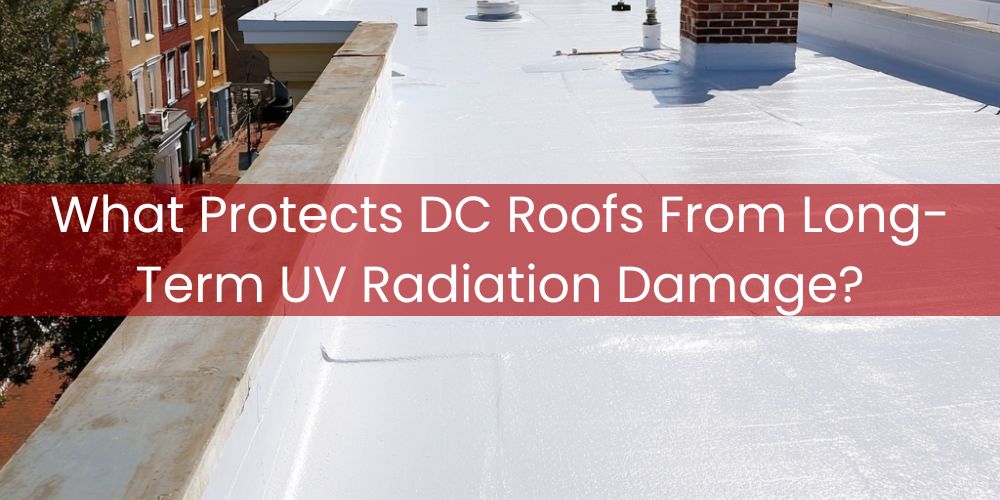
In Washington DC, high-quality roof coatings, such as silicone and acrylic, protect roofs from long-term UV radiation damage by reflecting sunlight and resisting heat degradation. The diverse weather patterns in DC, including hot, sunny summers, make UV-resistant coatings essential for maintaining the integrity of both residential and commercial roofs. Properly applied roof coatings can significantly extend the lifespan of roofing materials, reduce maintenance costs, and enhance energy efficiency by minimizing heat absorption. In Washington DC’s fluctuating climate, effective UV protection for roofs is crucial to prevent damage such as cracking and fading, which can lead to leaks and costly repairs. Silicone coatings are particularly effective, providing robust resistance to UV rays and maintaining their flexibility over time, even in high temperatures. Meanwhile, acrylic coatings can offer UV protection and energy savings by reflecting sunlight and cooling interior spaces, which is advantageous for commercial buildings with high energy expenses during summer months. For Washington DC business owners and facility managers, understanding how to protect roofs from UV radiation is key to preserving a building's structural integrity and energy performance.
Commercial Roofing Washington DC provides professional commercial roof maintenance services that increase roof longevity by mitigating UV radiation damage across Washington DC and the Mid-Atlantic region. Prolonged UV exposure is one of the primary contributors to membrane degradation, coating breakdown, and material brittleness on commercial roofs. Without proper maintenance, UV damage can accelerate aging, reduce flexibility, and compromise the protective properties of roofing systems. Through scheduled inspections, surface protection, sealant maintenance, and timely repairs, our maintenance services help shield roofing materials from excessive UV exposure, preserving system integrity and extending overall roof service life. Below, we’ll explore the different types of roof coatings available, their benefits in DC’s unique climate, and how they help mitigate long-term ultraviolet exposure to prolong roof lifespan. Join us as we delve into expert recommendations and best practices for ensuring your roof withstands the test of time against the sun's harsh rays.
How does UV radiation affect commercial roofs in DC?
UV radiation degrades roofing materials, reducing their lifespan and impacting energy efficiency. When exposed to UV radiation, roofing materials, especially those not designed to be UV-resistant, can experience fading, warping, and loss of structural integrity. In Washington, DC, where both summer and winter exposures are significant, ensuring a roof is UV-resistant is crucial for maintaining its functionality. Several factors highlight the importance of UV resistance in commercial roofing in DC:
- Material Degradation: UV exposure breaks down roofing material integrity over time.
- Thermal Expansion: UV radiation causes temperature fluctuations leading to material expansion and contraction.
- Reflective Properties: High UV reflection reduces energy costs and minimizes heat absorption.
- Coating Deterioration: UV rays degrade protective roofing coatings, reducing performance.
- Maintenance Frequency: Increased UV exposure necessitates more frequent roof maintenance and inspections.
1. Material Degradation: UV exposure breaks down roofing material integrity over time.
Material degradation refers to the process where roofing materials lose their structural integrity due to environmental factors. In the context of commercial roofs in DC, UV radiation can accelerate the degradation of materials like asphalt and wood, making them brittle and more prone to cracking. This weakening not only reduces the lifespan of the roof but also increases the need for repairs, ultimately raising maintenance costs. Long-term exposure without proper protection can lead to complete roof failure, underscoring the need for UV-resistant materials in new installations or roof renovations.
2. Thermal Expansion: UV radiation causes temperature fluctuations leading to material expansion and contraction.
Thermal expansion involves the expansion and contraction of materials due to temperature changes. UV radiation in DC causes significant temperature fluctuations, leading to the expansion and contraction of roofing materials. Over time, this constant movement can cause joint openings, seam breaks, and material warping. Buildings must use flexible and adaptable materials to mitigate the effects of thermal expansion, ensuring a longer life and reduced need for extensive repairs.
3. Reflective Properties: High UV reflection reduces energy costs and minimizes heat absorption.
Reflective properties in roofing materials refer to their ability to bounce back sunlight, including UV rays, instead of absorbing them. DC's commercial roofs benefit greatly from reflective materials, as they keep the building cooler by reducing the heat absorbed. This lowers the overall energy expenditure for air conditioning, resulting in cost savings for businesses. Choosing materials with high solar reflectance can lead to a more sustainable building with a smaller carbon footprint, aligning with increasing environmental standards.
4. Coating Deterioration: UV rays degrade protective roofing coatings, reducing performance.
Coating deterioration occurs when the protective layer on a roof surface wears away due to environmental factors. UV radiation can significantly impact coatings used on commercial roofs in DC, causing them to peel, blister, or fade. These coatings are crucial for additional waterproofing and protecting the underlying materials from direct UV exposure. Regular reapplication of coatings can help maintain their protective qualities, enhancing the roof's overall durability and appearance.
5. Maintenance Frequency: Increased UV exposure necessitates more frequent roof maintenance and inspections.
Maintenance frequency refers to how often a roof needs upkeep to remain functional and efficient. With higher UV exposure in DC, commercial roofs require more frequent inspections and maintenance to address any damage quickly and prevent small issues from becoming significant problems. Regular maintenance ensures early identification of UV-related wear and tear. By scheduling routine inspections and repairs, businesses can extend the lifespan of their roofs and avoid costly replacements, ensuring continued protection against the elements.
Have a question about an upcoming project?
What materials are best for UV protection in DC's commercial roofing?
The best materials for UV protection in DC's commercial roofing include TPO, PVC, and reflective coatings. These materials excel at reflecting ultraviolet rays, thus reducing heat absorption and improving energy efficiency. In the metropolitan climate of DC, these materials help roofs withstand daily temperature variations and minimize deterioration from sunlight exposure. Below is a list of essential materials for UV protection in DC's commercial roofing, ranked by importance.
- Reflective Coatings: Increase sunlight deflection, reducing surface temperature and energy costs.
- TPO Roofing: Offers excellent UV resistance ideal for DC’s climate.
- PVC Roofing: Durable option that provides significant UV and heat resistance.
- Metal Roofing: Naturally reflective and can be enhanced with coatings for more UV protection.
- Modified Bitumen: Comes in UV-resistant options to prevent rapid deterioration.
1. Reflective Coatings: Increase sunlight deflection, reducing surface temperature and energy costs.
Reflective coatings are materials applied to roofs to reflect more sunlight and absorb less heat. In DC's climate, they effectively shield commercial buildings from harmful UV rays while maintaining lower indoor temperatures. These coatings are particularly beneficial in summer, as they can significantly cut down on air conditioning expenses. Often made of acrylics, these coatings are easy to apply and maintain, making them a cost-effective solution for increasing energy efficiency and reducing UV impact on roofs.
2. TPO Roofing: Offers excellent UV resistance ideal for DC’s climate.
Thermoplastic Polyolefin (TPO) is a single-ply roofing membrane known for its UV resistance. In DC, TPO roofs are popular due to their ability to reflect UV radiation, reducing building heat gain effectively. This characteristic makes TPO a top contender for those seeking both economical and ecological roofing solutions. Beyond UV protection, TPO membranes also offer resistance to ozone and chemical exposure, ensuring long-term durability against the elements common in an urban setting.
3. PVC Roofing: Durable option that provides significant UV and heat resistance.
Polyvinyl Chloride (PVC) roofing is a synthetic material noted for its durability and reflective properties. Its superior UV resistance makes it ideal for commercial buildings in sunny environments like DC, where it helps in decreasing energy usage. The material's strong seams and resistance to water infiltration further enhance its performance under the sun. Additionally, PVC roofing can also be manufactured with cool roofing pigments that reflect solar radiation, adding another layer of defense against UV damage and heat build-up.
4. Metal Roofing: Naturally reflective and can be enhanced with coatings for more UV protection.
Metal roofs are inherently reflective and can be treated with special coatings to boost UV protection. They are suitable for DC's commercial spaces, as they provide an efficient barrier against UV rays while offering long-term resilience. Metal roofing's low maintenance requirements and high durability contribute to reduced lifecycle costs. Moreover, when painted with reflective pigments, metal roofs not only protect against the sun but also improve energy efficiency by reflecting heat away from buildings.
5. Modified Bitumen: Comes in UV-resistant options to prevent rapid deterioration.
Modified bitumen is an asphalt-based roofing option that's been treated to withstand UV radiation. For DC's commercial applications, UV-resistant modified bitumen provides a robust solution against sunlight-related degradation. This roofing material is often reinforced with layers of fiberglass or polyester for improved resistance. The flexibility provided by its composition allows it to endure extreme weather changes, making it a suitable choice for maintaining roof integrity against UV damage over time.
How Does Regular Maintenance Extend the Longevity of UV-Resistant Commercial Roofs?
Regular maintenance extends the lifespan of UV-resistant commercial roofing systems by slowing material degradation, preserving membrane performance, and preventing localized wear from developing into system-wide failure. In Washington DC and the Mid-Atlantic region, prolonged UV exposure accelerates surface oxidation, membrane embrittlement, and coating erosion, particularly on flat and low-slope commercial roofs. A structured maintenance program focuses on monitoring these degradation points and intervening before UV exposure compromises waterproofing integrity. The result is longer roof service life, improved performance stability, and reduced need for premature replacement.
- Early Identification of UV-Related Degradation
- Preservation of Protective Roof Coatings and Membranes
- Seam, Penetration, and Flashing Performance Monitoring
- Control of Moisture and Contaminant Accumulation
- Planned Intervention Instead of Reactive Repair
1. Early Identification of UV-Related Degradation
Routine inspections allow roofing professionals to identify early-stage UV degradation patterns before they compromise waterproofing performance. On commercial roofs, prolonged UV exposure can cause surface oxidation, chalking, membrane embrittlement, and gradual loss of elasticity—often beginning long before leaks occur. Inspections focus on changes in membrane texture, colour fading, surface cracking, coating erosion, and reduced flexibility at stress points. Identifying these conditions early allows for targeted repairs, surface restoration, or recoating before UV exposure penetrates deeper into the roof assembly and accelerates irreversible aging of membranes and insulation.
2. Preservation of Protective Roof Coatings and Membranes
UV-resistant coatings and membranes are sacrificial by design, meaning they gradually wear as they protect the underlying roofing system. Maintenance programs track coating thickness, adhesion strength, surface reflectivity, and uniformity to ensure these protective layers continue performing as intended. Without monitoring, coatings can erode unevenly, exposing membranes to direct UV radiation and thermal stress. Timely recoating or surface treatment restores reflectivity, shields vulnerable materials, and stabilises rooftop temperatures, helping prevent accelerated degradation and maintaining consistent energy and UV performance over the roof’s service life.
3. Seam, Penetration, and Flashing Performance Monitoring
Seams, penetrations, and flashing details are among the most UV-sensitive areas on commercial roofs because they experience material transitions, movement, and concentrated stress. UV exposure can accelerate sealant drying, seam edge shrinkage, and flashing fatigue, increasing the risk of separation or cracking. Regular maintenance includes close inspection of welded seams, termination bars, penetration flashings, and edge details to verify flexibility, adhesion, and continuity. Addressing early UV-related deterioration in these areas helps maintain watertight integrity and prevents localised failures from spreading into broader system damage.
4. Control of Moisture and Contaminant Accumulation
Standing water, debris, and surface contaminants can significantly intensify UV-related damage on commercial roofs. Ponding water increases surface temperatures through solar amplification, while dirt, pollutants, and organic debris can trap heat and moisture against the membrane surface. Maintenance services focus on drainage performance, surface cleanliness, and removal of accumulations that contribute to prolonged moisture exposure and uneven UV stress. By maintaining proper water flow and reducing contaminant buildup, maintenance programs help minimise compounding environmental stresses that accelerate membrane fatigue and coating breakdown.
5. Planned Intervention Instead of Reactive Repair
A proactive maintenance strategy allows commercial property owners to intervene before UV degradation results in membrane failure or water intrusion. Rather than reacting to leaks or emergency conditions, planned maintenance enables scheduled repairs, seam reinforcement, and recoating at optimal intervals based on roof condition and exposure levels. This approach reduces disruption to building operations, avoids secondary damage to insulation and interior spaces, and maximises the usable service life of UV-resistant roofing systems. Over time, planned intervention significantly lowers lifecycle costs compared to reactive repair or premature replacement.
Looking to Protect Your Commercial Roof From UV Radiation Damage?
Unmanaged UV exposure can significantly shorten the lifespan of commercial roofing systems. Our commercial roof maintenance services are designed to mitigate UV radiation damage and improve long-term roof performance through proactive care and protective solutions. Contact Commercial Roofing Washington DC today to schedule commercial roof maintenance services that mitigate UV radiation damage and increase roof longevity across Washington DC and the Mid-Atlantic region.