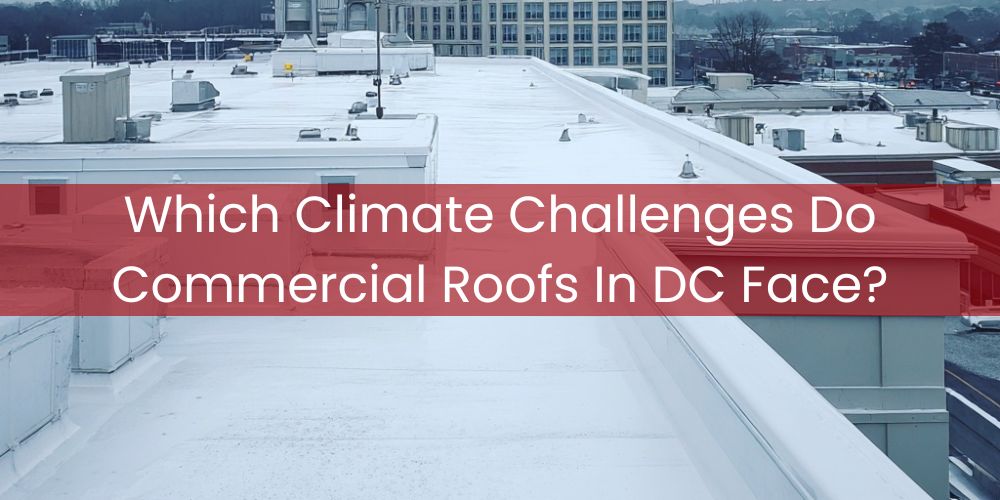
In Washington DC, the climate challenges for roofs include the impacts of freeze-thaw cycles, which can weaken roofing materials and cause ice dams in winter, alongside high humidity and intense summer thunderstorms that test roof waterproofing. The fluctuating temperatures in winter can lead to expansion and contraction of roofing materials, often causing cracks and leaks if not properly managed. Additionally, Washington DC's humid summers can exacerbate mold growth and require robust drainage systems to handle heavy rain from thunderstorms, essential for maintaining a roof's integrity. For commercial building owners and facility managers in Washington DC, understanding these specific climate challenges is vital for effective roof maintenance and longevity.
Commercial Roofing Washington DC operates throughout Washington, District of Columbia, delivering commercial roofing services customised to the specific conditions of DC and the Mid-Atlantic region. Local climate patterns, building codes, urban density, and regional weather risks all influence how commercial roofing systems should be designed, installed, and maintained. Our services are tailored to address these factors, from managing heavy rainfall and temperature fluctuations to meeting local regulatory requirements and operational demands. By applying region-specific knowledge to every project, we provide roofing solutions that support long-term performance and reliability for commercial buildings in Washington DC and across the Mid-Atlantic. Below, we’ll analyze the factors that contribute to these climate-specific issues, outline preventive measures, and offer expert recommendations for ensuring roof durability in Washington DC’s challenging environment.
How Does Washington DC's Weather Affect Commercial Roofing?
Washington DC's weather, characterized by humidity, seasonal temperature extremes, and occasional severe storms, significantly influences the performance and durability of commercial roofing systems. High humidity levels, combined with summer heat and winter snow, can contribute to material aging and damage over time. Proper selection and maintenance of roofing materials are crucial to withstand these conditions and ensure longevity. When considering how Washington DC's weather impacts commercial roofing, several factors come into play:
- Temperature Fluctuation: Extreme seasonal temperatures can stress roofing materials.
- Humidity Impact: High humidity contributes to mold and material deterioration.
- Storm Preparedness: Roofing must resist severe storms and occasional hurricanes.
- Snow Load Management: Strong roofs are essential for managing winter snow accumulation.
- Energy Efficiency: Reducing heat absorption lowers cooling costs during hot summers.
1. Temperature Fluctuation: Extreme seasonal temperatures can stress roofing materials.
Temperature fluctuation refers to the significant changes in temperature that occur between seasons, typically seen in areas with distinct seasonal climates. In Washington DC, the hot summers and cold winters contribute to these fluctuations, which can cause roofing materials to expand and contract. This can lead to cracks, leaks, and overall structural weakness over time. Roofing materials must be chosen for their ability to handle these stresses, with particular attention to flexibility and thermal resilience to prevent long-term damage.
2. Humidity Impact: High humidity contributes to mold and material deterioration.
Humidity impact involves the effects moisture in the air has on building materials, especially when it comes to roofing. Washington DC tends to experience high humidity, particularly in the summer, escalating the risk of mold growth and accelerating the aging of roofing materials. Moisture can penetrate seams and lead to decay, compromising the roof's effectiveness. To counteract this, materials that resist moisture absorption and have good ventilation properties are preferred to enhance roof longevity.
3. Storm Preparedness: Roofing must resist severe storms and occasional hurricanes.
Storm preparedness relates to the ability of a roofing system to withstand extreme weather events, such as severe storms and hurricanes. Washington DC is susceptible to harsh weather, with powerful storms that can bring strong winds and heavy rainfall. Roofs need to be designed to withstand these conditions to prevent water damage and structural failure. Reinforced materials and secure installations are crucial to minimize storm damage and ensure building safety.
4. Snow Load Management: Strong roofs are essential for managing winter snow accumulation.
Snow load management is the practice of ensuring roofing systems can support the weight of accumulated snow without damage. During Washington DC's winters, snow accumulation can exert substantial pressure on commercial roofs. Inadequate snow load management can lead to structural damage or even roof collapse. Selecting materials and designs that distribute weight effectively can mitigate these risks, ensuring structural integrity throughout the winter months.
5. Energy Efficiency: Reducing heat absorption lowers cooling costs during hot summers.
Energy efficiency involves optimizing a building's systems to reduce energy usage, often through materials that regulate heat transfer. In Washington DC, the hot summers can drive up cooling costs, so roofs that reflect solar energy reduce heat absorption and associated expenses. By investing in energy-efficient roofing materials, such as reflective coatings, businesses can lower operational costs and enhance sustainability.
Have a question about an upcoming project?
What Materials Best Withstand Washington DC's Climate Challenges?
Metal roofing is particularly well-suited to handle Washington, DC's varied climate conditions. Washington, DC experiences a mix of hot summers, cold winters, and occasional storms, necessitating roofing materials that can withstand these extremes. Metal roofs are known for their durability, resistance to weather, and energy efficiency, making them a top choice for this region. Here are the top five materials and their key benefits for Washington, DC's climate challenges:
- Weather Resistance: Effectively manages DC's varied weather including rain, snow, and strong winds.
- Energy Efficiency: Reflects solar heat to reduce cooling costs during hot summers.
- Durability: High longevity, handling DC's temperature fluctuations without significant wear.
- Lightweight Structure: Reduces stress on the building's structure, extending longevity.
- Low Maintenance: Requires minimal upkeep, ideal for DC's busy urban environment.
1. Weather Resistance: Effectively manages DC's varied weather including rain, snow, and strong winds.
Weather resistance is the ability of a roofing material to withstand adverse weather conditions without damage. Washington, DC has diverse weather conditions, from torrential rain and strong winds to heavy snowfalls. As such, materials that can resist these elements without rapid deterioration are essential. Metal, particularly steel and aluminum roofs, excel at weather resistance due to their sturdy construction and corrosion resistance, ensuring they remain intact despite the seasonal challenges posed by the climate.
2. Energy Efficiency: Reflects solar heat to reduce cooling costs during hot summers.
Energy efficiency refers to a material's ability to reflect solar energy, thus reducing heat absorption and related cooling costs. In Washington, DC, where summers can be hot and humid, a roof that reduces heat ingress is beneficial. Metal roofs can be coated with reflective paint to further reduce energy consumption. This feature not only enhances comfort within buildings but also contributes to lower utility bills, reflecting the importance of selecting materials that align with energy conservation goals.
3. Durability: High longevity, handling DC's temperature fluctuations without significant wear.
Durability is the measure of a material's lifespan and ability to remain functional despite environmental exposure. Given DC's contrasting summer and winter temperatures, a durable material like metal is advantageous. Over time, materials susceptible to warping or cracking can lead to costly repairs. Opting for durable materials ensures buildings in Washington, DC maintain their structural integrity and appearance longer, reducing the overall cost of ownership and maintenance.
4. Lightweight Structure: Reduces stress on the building's structure, extending longevity.
A lightweight roofing material imposes less stress on the supporting structure of a building. In urban environments like Washington, DC, where building regulations and space constraints are significant factors, having a lightweight roof is beneficial. It reduces the need for heavy-duty support structures. This characteristic is especially important for older buildings, where adding minimal weight helps preserve the structure and reduces potential renovation costs.
5. Low Maintenance: Requires minimal upkeep, ideal for DC's busy urban environment.
Low maintenance indicates a material's ability to remain effective with minimal upkeep. In a city like Washington, DC, where maintenance can be both costly and disruptive, a roofing material that demands fewer repairs is beneficial. Metal's resistance to pests and rot contributes to this advantage. Choosing low-maintenance materials not only ensures continuous functionality without frequent interventions but also contributes to the long-term financial viability of the building investment.
How Can Regular Maintenance Mitigate Roof Damage in Washington DC?
Regular maintenance can significantly reduce the risk of roof damage by addressing potential issues before they become major problems. In Washington DC, with its varying weather conditions, regular inspections and upkeep ensure that roofs are better prepared to handle elements like snow, wind, and rain. Addressing minor issues promptly can prevent costly repairs and extend the roof's lifespan. Here are the key aspects of regular maintenance that can help mitigate roof damage in Washington DC:
- Identifying Leaks Early: Locating potential leaks before they cause significant damage.
- Clearing Debris: Removing debris to prevent water retention and structural damage.
- Ensuring Proper Drainage: Maintaining gutters and drainage systems to prevent water accumulation.
- Inspecting Flashing and Seals: Checking for wear that could lead to leaks and damage.
- Monitoring Roof Surfaces: Regular checks for cracks, blisters, or other surface damage.
1. Identifying Leaks Early: Locating potential leaks before they cause significant damage.
Identifying leaks early involves inspecting the roof for any signs of water intrusion. In Washington DC, where weather can be unpredictable, detecting leaks early can prevent extensive water damage. Regular inspections help spot these issues sooner rather than later. By addressing leaks promptly, homeowners can save on larger repair costs and minimize the structural damage water leaks can cause, such as mold growth and compromised roofing materials.
2. Clearing Debris: Removing debris to prevent water retention and structural damage.
Clearing debris involves ensuring that the roof surface is free of leaves, branches, and other materials. In an area like Washington DC, where foliage is abundant, regular cleaning prevents debris build-up that can trap water. This maintenance step helps to prevent water retention that could lead to roof degradation. By keeping the roof clean, the weight burden is reduced, excess moisture is minimized, and the risk of pests nesting on the roof is diminished.
3. Ensuring Proper Drainage: Maintaining gutters and drainage systems to prevent water accumulation.
Ensuring proper drainage involves maintaining clean and functional gutters and downspouts. In Washington DC, where heavy rainstorms can occur, effective drainage is crucial to prevent water pools on roofs. Regular maintenance of these systems ensures that water is efficiently directed away from the roof. This practice not only protects the roof itself but also safeguards the building's foundation from water damage.
4. Inspecting Flashing and Seals: Checking for wear that could lead to leaks and damage.
Inspecting flashing and seals includes examining areas around chimneys, vents, and other roof openings. Flashings and seals are critical in sealing roof junctions, and in Washington DC's climate, they can wear out due to temperature fluctuations. Regular checks maintain their integrity. By keeping these components in good condition, you avoid vulnerabilities in the roofing system that may lead to moisture penetration and consequential internal damage.
5. Monitoring Roof Surfaces: Regular checks for cracks, blisters, or other surface damage.
Monitoring roof surfaces involves looking for any visible signs of deterioration such as cracks or blisters. Regular surface inspections are vital in Washington DC to identify damage caused by varying temperatures and weather conditions. Timely discovery allows for targeted repairs, preventing further damage. This proactive approach ensures that the roof's protective qualities are maintained, effectively extending its service life and performance efficiency.
Need Commercial Roofing Services Customised to Washington DC and the Mid-Atlantic?
Commercial buildings benefit from roofing services designed around local conditions rather than generic approaches. Our commercial roofing services are customised to the climate, regulatory environment, and performance requirements of properties throughout Washington DC and the Mid-Atlantic region. Contact Commercial Roofing Washington DC today to schedule commercial roofing services tailored specifically to Washington DC and the Mid-Atlantic region.