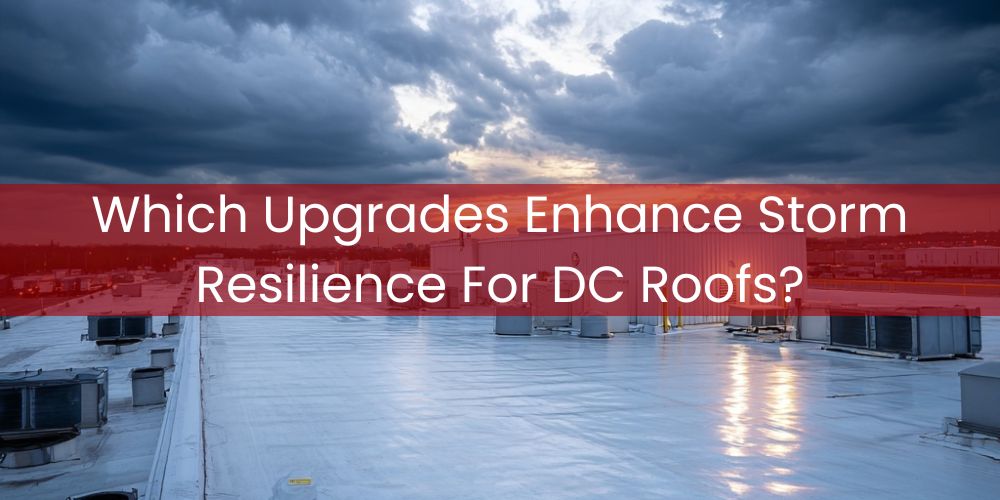
In Washington DC, upgrading to impact-resistant roofing materials and secure fastening systems significantly enhances storm resilience for DC roofs, helping to withstand high winds and heavy precipitation. The region's susceptibility to powerful storms and hurricanes necessitates robust roofing solutions that can endure severe weather conditions, minimizing water damage and structural issues. Additionally, reinforced roof coverings and enhanced insulation offer added protection against frequent storm surges and extreme temperature fluctuations. These improvements are crucial in a city like Washington DC, where severe weather events can cause widespread damage, leading to costly repairs and business interruptions. Impact-resistant materials, such as metal, offer superior durability and can sustain less damage during storms, providing long-term savings on maintenance and replacement. For commercial building owners and facility managers in Washington DC, enhancing storm resilience is essential for protecting property investments and maintaining operational continuity during severe weather events.
Commercial Roofing Washington DC provides professional commercial roofing services designed to enhance the storm resilience of commercial buildings across Washington DC and the Mid-Atlantic region. Severe weather events—including heavy rainfall, high winds, and sudden temperature changes—place significant stress on commercial roofing systems. Our services focus on strengthening roof assemblies through proper attachment methods, reinforced flashing and edge detailing, effective drainage design, and proactive maintenance. By addressing storm-related vulnerabilities before severe weather occurs, we help commercial buildings maintain roof integrity, prevent water intrusion, and reduce the risk of storm-related damage. Below, we will explore effective roofing upgrades, analyze their benefits, and provide expert recommendations to fortify commercial roofs against the challenges of DC's climate.
What Are the Common Storm-Related Challenges Faced by Commercial Roofs in DC?
Commercial roofs in Washington, D.C. face challenges like wind damage, water penetration, and debris impact due to storms. These storms often bring high winds and heavy rainfall that can test the integrity of roofing systems. Addressing these challenges promptly is essential to prevent further structural or interior damage. Here's a detailed look at the common storm-related challenges that commercial roofs in DC face:
- Wind Damage: High winds can lift or tear roofing materials, exposing the interior.
- Water Penetration: Heavy rains can lead to leaks and water intrusion into the building.
- Debris Impact: Falling branches and debris can puncture or damage the roof surface.
- Clogged Drainage Systems: Debris can block drainage, leading to water pooling on the roof.
- Temperature Fluctuations: Storms can cause rapid temperature changes affecting roof material integrity.
1. Wind Damage: High winds can lift or tear roofing materials, exposing the interior.
Wind damage occurs when high winds lift or rip roofing materials away from the roof deck. This leaves the underlying structure exposed to further weather harm. In DC, strong winds from storms can tear membranes, cause ballasted roofing systems to shift, and even remove poorly adhered membranes. Preventative measures, such as ensuring proper installation and regular maintenance, can mitigate this risk and improve roof resilience.
2. Water Penetration: Heavy rains can lead to leaks and water intrusion into the building.
Water penetration is the infiltration of water through the roof, leading to leaks inside the building. In DC, heavy rainfall is common, and if roofs are not properly sealed, water can seep through, causing internal damage such as mold growth and weakened structures. Frequent inspection and repair of seams, flashing, and sealants are crucial to prevent water damage during storms.
3. Debris Impact: Falling branches and debris can puncture or damage the roof surface.
Debris impact happens when objects like branches fall onto the roof, potentially causing punctures. Severe storms in DC can break tree limbs or carry other debris that hit the roof, leading to holes or punctures. Regular trimming of nearby trees and installing impact-resistant materials can help minimize damage from debris.
4. Clogged Drainage Systems: Debris can block drainage, leading to water pooling on the roof.
Clogged drainage systems occur when debris obstructs proper water flow, causing pooling. During DC storms, leaves, twigs, and other debris can block gutters and drains, resulting in water accumulation on flat roofs, increasing the risk of leaks. Regular cleaning and maintenance of drainage systems are vital to ensure efficient water removal.
5. Temperature Fluctuations: Storms can cause rapid temperature changes affecting roof material integrity.
Temperature fluctuations refer to sudden changes in temperature impacting roof materials. DC's weather can shift quickly during storms, which can expand and contract roofing materials, causing stress and potential cracks. Thermally stable materials and expansion joints should be incorporated to accommodate temperature variations, enhancing the roof's longevity.
Have a question about an upcoming project?
Which Roofing Materials Offer the Best Storm Resistance for Commercial Buildings?
The best storm-resistant roofing materials for commercial buildings include metal, TPO, PVC, modified bitumen, and EPDM roofing. These materials provide varying levels of wind, impact, and water resistance, which are crucial for protecting buildings during severe weather events. When selecting a roofing material, it's essential to consider the specific storm threats prevalent in the area where the building is located. Below is a list ranking the most storm-resistant roofing materials for commercial buildings based on their effectiveness and relevance in combating severe weather conditions:
- Metal Roofing: Exceptional Performance in High Wind and Impact Resistance
- PVC Roofing: Excellent Durability Against Water and Wind Damage
- TPO Roofing: Superior Energy Efficiency and UV Resistance in Storm Conditions
- Modified Bitumen: High Protection Against Water Intrusion and Physical Damage
- EPDM Roofing: Effective Weather Sealing and Flexibility in Temperature Variations
1. Metal Roofing: Exceptional Performance in High Wind and Impact Resistance
Metal roofing is known for its superior wind resistance and durability against impacts. In storm-prone areas, metal roofs are highly valued for their ability to withstand high winds and resist damage from debris. The interlocking panels of metal roofs also provide an additional layer of protection by preventing wind uplift. Metal roofing's long lifespan and minimal maintenance needs make it an economically smart choice for commercial buildings. Additionally, metal roofs can reflect sunlight, which helps in reducing cooling costs during warmer seasons. These qualities, combined with their resilience in storms, make metal roofs a top choice for storm-resistant commercial applications.
2. PVC Roofing: Excellent Durability Against Water and Wind Damage
PVC roofing membranes offer robust protection against water infiltration and wind damage. They are particularly well suited for flat or low-slope commercial roofs, providing a seam-welded, waterproof barrier. PVC's chemical resistance and ability to withstand high wind conditions make it a reliable choice in hostile weather zones. The high durability of PVC roofs is complemented by their fire resistance and energy efficiency, with reflective options reducing heat absorption. Because of these combined benefits, PVC roofing is favored for commercial buildings in regions experiencing frequent storms and heavy rainfall.
3. TPO Roofing: Superior Energy Efficiency and UV Resistance in Storm Conditions
TPO roofing is valued for its energy efficiency and strong UV resistance. TPO membranes are heat-weldable and create a continuous, solid surface offering good protection from water and wind. Its cost-effectiveness and ability to deflect UV rays contribute to its popularity. In addition to storm resistance, TPO offers environmental advantages due to its recyclability. The flexible nature and the capability to withstand punctures and tears enhance its utility in areas with severe weather, making it a balanced choice for commercial roofs.
4. Modified Bitumen: High Protection Against Water Intrusion and Physical Damage
Modified bitumen roofing is a multi-layered system that provides exceptional waterproofing and durability. It is designed to have a high tolerance to physical stresses, including wind uplift and impacts from hail or debris. This makes it an effective option for storm resistance. The flexibility of modified bitumen allows it to adapt to temperature fluctuations without cracking, adding to its longevity. For commercial buildings in hard-weather areas, this ensures reliable protection and lowers the risk of costly water damage repairs.
5. EPDM Roofing: Effective Weather Sealing and Flexibility in Temperature Variations
EPDM (ethylene propylene diene terpolymer) roofing membranes provide effective weather sealing, known for their robustness in temperature fluctuations. Their synthetic rubber composition allows them to remain flexible and strong, making them resistant to hail and wind damage. EPDM's proven longevity and resistance to UV radiation enhance its efficiency over time. For commercial roofs needing a balance of cost-effectiveness and storm resilience, EPDM is a practical solution, while its ability to be installed over existing systems can also reduce installation costs.
What Advanced Techniques Can Be Used to Fortify a Roof Against Severe Weather Events?
Advanced techniques like reinforced roofing materials and innovative sealing methods can significantly enhance a roof's resilience to severe weather events. These techniques help roofs withstand the impact of strong winds, heavy rain, and hail, reducing potential damage and extending the roof's lifespan. Implementing these strategies is essential to protect both residential and commercial properties in areas prone to extreme weather conditions. To fortify a roof effectively against severe weather events, consider the following advanced techniques:
- Enhanced Roof Anchorage: Prevents roof uplift during strong winds.
- Protective Roof Coatings: Offers additional waterproofing and UV protection.
- Advanced Underlayment Systems: Improves roof durability and water resistance.
- Seamless Metal Roofing: Reduces leak risks and withstands harsh weather elements.
1. Enhanced Roof Anchorage: Prevents roof uplift during strong winds.
Enhanced roof anchorage involves securing the roof structure more effectively to the building's frame. This technique is critical in preventing roof uplift caused by tornadoes, hurricanes, or other high-wind events. Proper anchorage keeps the roof intact, safeguarding the building and its occupants. Using advanced fastening methods and materials can reinforce the roofing system's integrity, reducing the likelihood of structural damage or collapse during extreme wind events.
2. Protective Roof Coatings: Offers additional waterproofing and UV protection.
Protective roof coatings are specialized substances applied to the roof surface to seal it from weather elements. These coatings provide an additional layer of defense against water infiltration and harmful UV rays that can weaken roofing materials over time. They are crucial for enhancing a roof's resilience to adverse weather effects. With protective coatings, roofs can maintain their aesthetic appeal and structural integrity, contributing to longer service life and reduced maintenance costs.
3. Advanced Underlayment Systems: Improves roof durability and water resistance.
Advanced underlayment systems involve using high-performance materials beneath the roof covering for added protection. This technique is essential for enhancing weather resistance by improving the roof's ability to block water ingress and resist harsh conditions. Underlayments act as a secondary moisture barrier, critical in areas prone to heavy rainfall. Using synthetic or reinforced underlayments can significantly increase a roof's performance, preventing leaks and structural deterioration caused by prolonged moisture exposure.
4. Seamless Metal Roofing: Reduces leak risks and withstands harsh weather elements.
Seamless metal roofing involves the installation of metal panels that minimize seams, where leaks commonly occur. This type of roofing is nearly impervious to heavy rain, snow, and wind, providing excellent protection against severe weather. It is particularly beneficial in regions with fluctuating temperatures and demanding weather conditions. Seamless metal roofs are long-lasting, require minimal maintenance, and offer high energy efficiency, making them an attractive option for commercial and residential properties seeking durable weather protection solutions.
Looking to Improve the Storm Resilience of Your Commercial Building?
Storm-related roof failures can lead to costly repairs, interior damage, and operational disruption. Our commercial roofing services are designed to enhance storm resilience through targeted inspections, system reinforcements, and long-term maintenance strategies tailored to Mid-Atlantic conditions. Contact Commercial Roofing Washington DC today to schedule commercial roofing services that enhance the storm resilience of buildings across Washington DC and the Mid-Atlantic region.