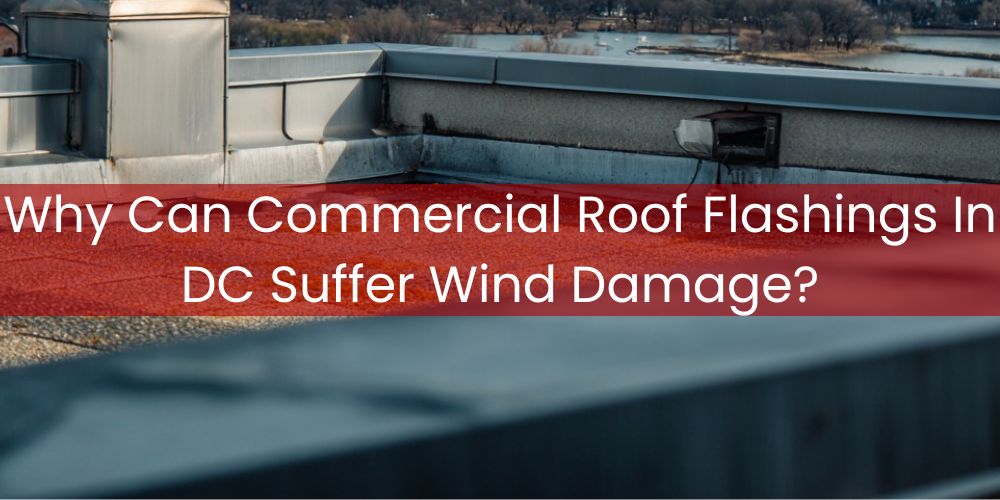
In Washington, DC, commercial roof flashings are particularly susceptible to wind damage due to the region's frequent seasonal storms and fluctuating weather conditions. The strong winds that accompany these storms can loosen or tear away improperly secured flashing, leading to potential leaks and water damage in commercial buildings. Moreover, the urban environment in DC features numerous high-rise buildings that can create wind tunnels, exacerbating wind force on roofs and increasing the risk of damage to flashings. For commercial property owners and facility managers in Washington, DC, understanding the vulnerabilities of roof flashings to wind damage is crucial to ensuring long-term protection and minimizing maintenance costs.
Commercial Roofing Washington DC provides professional commercial roof maintenance services focused on maintaining and reinforcing roof flashings to ensure they remain intact and capable of withstanding wind exposure across Washington DC and the Mid-Atlantic region. Roof flashings are critical components that protect roof edges, penetrations, and transitions, but they are also among the most vulnerable areas during high winds and seasonal storms. In regions like DC, where fluctuating weather conditions and frequent storm events place repeated stress on roofing systems, routine flashing maintenance helps prevent loosening, separation, and wind-related failure. Our maintenance services focus on inspection, securement, sealant upkeep, and reinforcement to help flashings maintain their protective function under demanding conditions. Below, we’ll delve into the challenges posed by wind damage in DC, explore the factors that aggravate these vulnerabilities, and offer expert tips for safeguarding commercial roofs against the city's unpredictable weather conditions.
What Role Do Roof Flashings Play in Commercial Roofing?
Roof flashings protect critical areas from water infiltration and prevent damage to the roofing system. They are installed at vulnerable points of a roof, such as joints, edges, and penetrations, to ensure a watertight seal. Without proper flashings, water can infiltrate and cause structural damage, leading to costly repairs and reduced roof lifespan. Here is a detailed look at the essential roles roof flashings play in commercial roofing:
- Waterproof Protection: Prevents water infiltration at key roof junctions.
- System Longevity: Extends the life of the roofing system by safeguarding against moisture damage.
- Seam Support: Provides reinforcement at seams and joints, preventing structural weaknesses.
- Material Compatibility: Ensures compatibility with roofing materials to maintain a strong seal.
- Adaptability: Can be customized for unique architectural features and various roof designs.
1. Waterproof Protection: Prevents water infiltration at key roof junctions.
Waterproof protection refers to the ability of roof flashings to block water ingress. Flashings are installed at areas prone to leaks, such as roof valleys, chimneys, and skylights, creating a barrier that directs water away from these vulnerable zones. Effective waterproofing is crucial for maintaining a dry and secure roof structure, preventing costly water damage and interior leaks.
2. System Longevity: Extends the life of the roofing system by safeguarding against moisture damage.
System longevity involves the durability and extended service life of the roofing system. Proper flashings contribute to this by preventing moisture ingress, which can lead to deterioration of roofing materials. By maintaining dry conditions, flashings play a vital role in preserving the integrity and value of the commercial roofing investment over time.
3. Seam Support: Provides reinforcement at seams and joints, preventing structural weaknesses.
Seam support is the reinforcement provided at vulnerable joints and connections on the roof. Roof flashings ensure these areas are properly sealed and supported, preventing separation and potential leaks. Reinforcing seams is critical for maintaining structural stability, especially in environments with fluctuating temperatures or heavy precipitation.
4. Material Compatibility: Ensures compatibility with roofing materials to maintain a strong seal.
Material compatibility refers to the ability of flashings to integrate seamlessly with various roofing materials. Flashings must be made from compatible materials to ensure a cohesive bond and avoid chemical reactions that could weaken the seal. Proper material compatibility helps maintain consistent protection and prevents failure of the waterproof barrier.
5. Adaptability: Can be customized for unique architectural features and various roof designs.
Adaptability is the capacity of flashings to fit different roof designs and architectural elements. Flashings can be customized or fabricated to suit specific shapes and configurations, such as curves or irregular angles. This flexibility makes them essential for complex commercial roofing projects, ensuring all aspects are correctly sealed against the elements.
Have a question about an upcoming project?
How Does Wind Damage Affect Roof Flashings Specifically?
Wind damage can cause roof flashings to loosen, detach, or become misaligned, leading to potential leaks. When roof flashings are compromised, it exposes underlying roofing materials to moisture, which can cause further deterioration. Ensuring that flashings are properly installed and regularly inspected can mitigate wind damage effects. Here are five key ways wind damage affects roof flashings in order of importance:
- Loosening: High winds can loosen flashing fasteners, causing instability.
- Detachment: Extreme winds may completely remove flashings from their place.
- Misalignment: Wind can shift flashings, leaving gaps for water penetration.
- Surface Wear: Wind-driven debris can abrade and damage flashing surfaces.
- Sealant Degradation: Wind can deteriorate sealants, affecting flashing integrity.
1. Loosening: High winds can loosen flashing fasteners, causing instability.
Loosening refers to the loss of secure attachment between flashings and the roof surface. High winds can shake or oscillate the flashings, causing the fasteners to back out or become unstable. If not addressed, this can lead to further wind-related damage, including water infiltration and subsequent material degradation.
2. Detachment: Extreme winds may completely remove flashings from their place.
Detachment occurs when flashings are lifted and removed from their position. This is often caused by strong wind gusts that exert upward pressure on inadequately fastened flashings. Detached flashings expose roof seams and edges, creating vulnerabilities for water infiltration that can lead to bigger roof failures.
3. Misalignment: Wind can shift flashings, leaving gaps for water penetration.
Misalignment happens when flashings are moved out of their intended position. Strong winds can apply lateral forces that shift the flashings, misaligning them with adjoining roofing components. This can create pathways for water and debris to enter, causing water damage and compromising roof performance.
4. Surface Wear: Wind-driven debris can abrade and damage flashing surfaces.
Surface wear involves the erosion or abrasion of flashings due to persistent wind contact. Wind-driven debris, such as dust and small particles, can sandblast the flashings, gradually weakening them over time. This erosion not only affects the appearance but can also impair the functional performance of the roofing system.
5. Sealant Degradation: Wind can deteriorate sealants, affecting flashing integrity.
Sealant degradation is the breakdown of adhesive or sealing material used on flashings. The wind can cause flexing around the seals, leading to gradual wear and eventually degrading their adhesive properties. This is particularly problematic as it can lead to leaks and reduced effectiveness in protecting against water intrusion.
What Preventative Measures Can Be Taken to Protect Flashings from Wind Damage?
Install securely fastened and durable materials to protect flashings from wind damage. Flashings are susceptible to wind damage because they can become loose when exposed to strong winds, leading to water penetration and roof damage. Proper installation and regular maintenance of flashings can drastically reduce the risk of damage.
Ensuring the integrity of flashings involves implementing a few strategic measures. These actions not only fortify the roof's defense against severe weather but also extend the lifespan of roofing materials.
- Secure Fastenings: Ensure that all flashings are securely attached to the structure.
- High-Quality Materials: Use durable materials that can withstand severe wind forces.
- Regular Inspections: Conduct routine checks to detect and repair any potential vulnerabilities.
- Proper Sealant: Apply high-performance sealants to prevent wind-driven water intrusion.
- Professional Installation: Hire experienced contractors to ensure flashings are correctly installed.
1. Secure Fastenings: Ensure that all flashings are securely attached to the structure.
Secure fastening involves using the correct screws and anchors to firmly hold flashings in place. This preventative measure ensures that flashings remain fixed during high wind events, reducing the potential for detachment. Flashings secured with proper fasteners are far less likely to fail under extreme conditions. Regularly checking fastener conditions and replacing any that are worn or corroded can further enhance wind resistance by maintaining tight, secure connections.
2. High-Quality Materials: Use durable materials that can withstand severe wind forces.
High-quality materials are those specifically designed to resist harsh environmental conditions. By selecting robust and weather-resistant materials for flashings, you increase their ability to endure strong winds. These materials, such as corrosion-resistant metals or high-strength alloys, provide long-term protection and decrease the need for frequent repairs. Investing in premium materials can also enhance the overall durability of the roofing system, making them a wise choice for long-term cost savings.
3. Regular Inspections: Conduct routine checks to detect and repair any potential vulnerabilities.
Regular inspections involve routine assessments to identify weak or damaged areas in flashings. By systematically inspecting flashings, you can catch issues before they develop into major problems during wind events. Inspections should be carried out by qualified personnel who can assess the structural integrity and recommend necessary repairs. Timely detection and maintenance can prevent minor issues from escalating, ensuring that the roof remains in optimal condition.
4. Proper Sealant: Apply high-performance sealants to prevent wind-driven water intrusion.
Proper sealant application involves using advanced sealing products to secure flashings against leaks. Sealants act as a barrier against water penetration and can prevent issues caused by wind-driven rain seeping beneath flashings. Using the right sealant type, tailored to the specific environmental conditions of the area, improves flashings' resilience against wind damage. Periodic resealing should be part of routine maintenance to maintain an effective barrier against the elements.
5. Professional Installation: Hire experienced contractors to ensure flashings are correctly installed.
Professional installation refers to the deployment of skilled tradespeople to install roofing components. Ensuring flashings are correctly placed and secured by experienced contractors can drastically reduce the risk of wind damage. Professionals possess the knowledge of best practices and region-specific challenges, ensuring installations are robust and adhere to industry standards. Utilizing skilled labor not only guarantees quality workmanship but also provides peace of mind that your roofing system is fortified against severe weather conditions.
Need Commercial Roof Flashing Maintenance to Protect Against Wind Damage?
Compromised or unsecured flashings are a common cause of wind-related roof damage and water intrusion. Our commercial roof maintenance services are designed to ensure flashing systems remain secure and wind-resistant, helping protect commercial buildings across Washington DC and the Mid-Atlantic region. Contact Commercial Roofing Washington DC today to schedule commercial roof maintenance services that help roof flashings withstand wind damage throughout Washington DC and the Mid-Atlantic region.