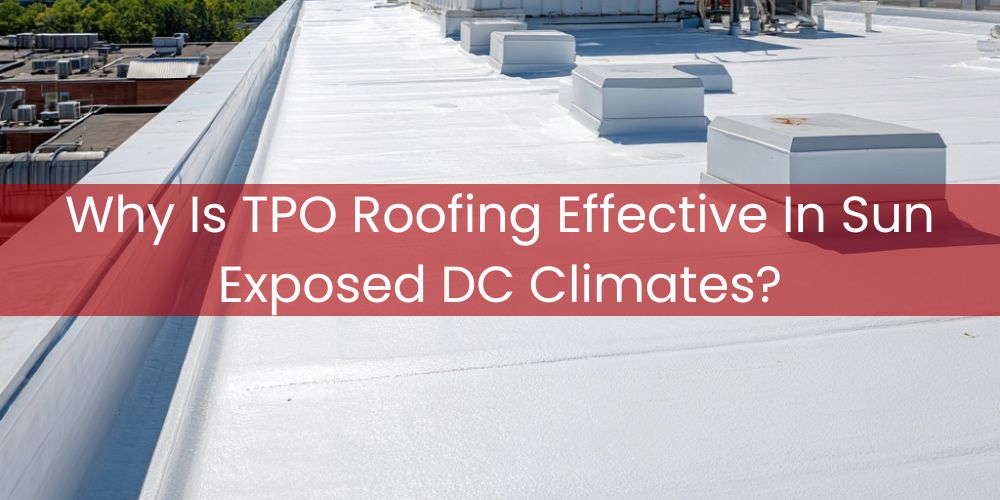
In Washington DC, TPO roofing is particularly effective in sun-exposed areas due to its excellent heat-reflective properties and energy-efficient performance, which help to reduce cooling costs during the city's hot summers. With its bright white surface, TPO roofing reflects a significant amount of solar radiation, minimizing heat absorption and maintaining a cooler building interior. This quality is crucial for commercial buildings in DC, where high energy bills during peak summer months can impact operational costs, making TPO an attractive option for property managers seeking sustainable and economical roofing solutions. For commercial building owners and facility managers in Washington DC, understanding the benefits of TPO roofing is essential in optimizing energy efficiency and reducing utility expenses.
Commercial Roofing Washington DC provides professional TPO commercial roofing systems engineered to resist UV radiation across Washington DC and the Mid-Atlantic region. TPO membranes are formulated with UV-stabilised compounds and reflective surfaces that help limit degradation caused by prolonged sun exposure. In regions like DC, where commercial roofs experience sustained summer UV intensity combined with heat and seasonal temperature fluctuations, UV resistance is critical to preventing membrane brittleness, surface breakdown, and premature aging. When properly specified and installed, TPO roofing systems maintain flexibility and surface integrity over time, helping commercial buildings achieve reliable performance and extended roof service life under constant UV exposure. Below, we will delve into the specifics of why TPO roofing stands out in the DC climate, examining its advantages and how it can contribute to long-term savings for commercial properties.
What Makes TPO Roofing a Popular Choice for Commercial Buildings?
TPO roofing is popular for commercial buildings due to its cost-effectiveness, energy efficiency, and durability. Thermoplastic Olefin (TPO) is a single-ply roofing membrane that combines the resilience of EPDM rubber with the thermal and UV reflective properties of PVC. This combination makes TPO roofing an attractive option for businesses looking to reduce both initial construction and ongoing energy costs while ensuring long-lasting protection. Here are five key reasons why TPO roofing is a favored choice for commercial structures:
- Cost-Effective Solution: Offers competitive pricing with high performance.
- Energy Efficiency: Reflects sunlight, reducing heating and cooling expenses.
- Durability: Resistant to punctures, tears, and impact.
- Ease of Installation: Lightweight and relatively simple to install.
- Environmental Friendliness: Recyclable and free of chlorinated ingredients.
1. Cost-Effective Solution: Offers competitive pricing with high performance.
A cost-effective solution means providing value and functionality without excessive financial outlay. TPO roofs offer a balance of affordability and performance, making them appealing for budget-conscious commercial projects. The material's lifespan and resilience help minimize repair and maintenance costs over time, making it a long-term, cost-saving investment for building owners.
2. Energy Efficiency: Reflects sunlight, reducing heating and cooling expenses.
Energy efficiency refers to the use of less energy to perform the same task. TPO membranes have reflective properties that keep buildings cooler by reflecting solar heat away from the roof surface. This reflection reduces the demand on air conditioning systems, leading to lower utility bills, and can contribute to earning energy efficiency credits or incentives.
3. Durability: Resistant to punctures, tears, and impact.
Durability is the ability to withstand wear, pressure, or damage. TPO roofing membranes are crafted to resist common roofing hazards such as punctures, UV radiation, and chemical exposure. The robust nature of TPO contributes to its long lifespan, often exceeding 20 years, ensuring that building owners receive value over time through reduced replacement needs.
4. Ease of Installation: Lightweight and relatively simple to install.
Ease of installation implies a straightforward, quick method of setup with less labor involved. Due to its lightweight characteristics, TPO roofing is easier to transport and install compared to heavier roofing options. This property not only reduces labor costs but also shortens the timeframe of a roofing project, allowing businesses to proceed with minimal disruption.
5. Environmental Friendliness: Recyclable and free of chlorinated ingredients.
Environmental friendliness encompasses practices that are not harmful to the environment. TPO roofing is free from harmful chlorinated chemicals, which are often found in other roofing materials and pose environmental hazards. At the end of its life cycle, TPO can also be recycled, contributing to the reduction of waste and aligning with sustainable business practices.
Have a question about an upcoming project?
How Does TPO Roofing Perform in Sun-Intensive Environments?
TPO roofing excels in sun-intensive environments due to its reflective properties and durability. The material's ability to reflect the sun's rays contributes to energy efficiency and protects the roof's surface from UV damage. Being heat-weldable, TPO also offers secure, seam-bonded performance ideal for areas with significant sun exposure. Here are the key characteristics of TPO roofing in sun-intensive environments:
- Reflectivity: High ability to reflect sunlight and reduce heat absorption.
- Energy Efficiency: Offers substantial reduction in energy costs by minimizing cooling needs.
- UV Resistance: Designed to withstand prolonged exposure to harmful ultraviolet rays.
- Durability: Long-lasting and resists degradation due to sun exposure.
- Seam Strength: Features heat-welded seams providing robust protection against leaks.
1. Reflectivity: High ability to reflect sunlight and reduce heat absorption.
Reflectivity refers to the ability of a material to reflect sunlight rather than absorb it. In sun-intensive environments, TPO roofing's high reflectivity helps in keeping the building cooler. This reduces the heat island effect and the energy used for cooling. Furthermore, TPO's reflective properties contribute to a more comfortable indoor environment and extend the lifespan of the roofing materials by minimizing thermal expansion and contraction.
2. Energy Efficiency: Offers substantial reduction in energy costs by minimizing cooling needs.
Energy efficiency is about reducing energy consumption and costs through effective energy use. TPO roofing contributes to energy efficiency by reflecting solar heat, thereby reducing the need for air conditioning. This is particularly beneficial in sun-intensive environments where cooling costs can be significant. With TPO roofing, buildings can achieve lower operational costs and improved environmental comfort, supporting sustainable building practices.
3. UV Resistance: Designed to withstand prolonged exposure to harmful ultraviolet rays.
UV resistance refers to a material's ability to resist damage caused by ultraviolet radiation. TPO roofing is engineered to resist UV-induced degradation, making it suitable for sunny climates. This resistance ensures the longevity and effectiveness of the roofing system over time. By protecting the underlying materials from UV light, TPO roofs maintain their integrity and continue to perform efficiently despite constant sun exposure.
4. Durability: Long-lasting and resists degradation due to sun exposure.
Durability implies the ability to withstand wear, pressure, or damage. The durability of TPO roofing is vital in environments with constant sun exposure, as it needs to endure harsh conditions without degrading quickly. This robustness ensures that building owners achieve value for their investment, with a roofing system that requires less maintenance and has a longer lifespan compared to less durable alternatives.
5. Seam Strength: Features heat-welded seams providing robust protection against leaks.
Seam strength refers to the ability of joined areas to resist separation and leaks. TPO roofing utilizes heat-welded seams, which create a uniform surface that minimizes vulnerabilities to weather-induced stress. This feature is crucial in sun-intensive environments as it ensures the roof remains watertight, protecting the building interior from potential water penetration during occasional rainfalls or storms.
Why Is TPO Roofing Particularly Suited for the Climate in Washington, D.C.?
TPO roofing is ideal for Washington, D.C.'s climate due to its energy efficiency and weather resilience. The TPO material reflects ultraviolet rays, which helps in reducing cooling costs during the hot and humid summers common in the region. Furthermore, its robust nature offers protection against the varied weather conditions experienced in D.C., including rain, snow, and wind. Here are the main reasons why TPO roofing is particularly suited for the climate in Washington, D.C.:
- Energy Efficiency: Effectively reflects UV rays, lowering cooling costs in hot weather.
- Weather Resistance: Withstands D.C.'s diverse climate, including rain, snow, and wind.
- Durability: Offers long-term performance despite D.C.'s variable weather conditions.
- Cost-Effectiveness: Affordable installation and maintenance compared to other roofing materials.
- Environmental Benefits: Made from recyclable materials, promoting eco-friendly roofing solutions.
1. Energy Efficiency: Effectively reflects UV rays, lowering cooling costs in hot weather.
Energy efficiency refers to the ability of a material to minimize energy consumption. In the context of Washington, D.C., TPO roofing can help reduce cooling costs significantly during the sweltering summer months. This is because TPO's reflective properties keep buildings cooler by bouncing off the intense UV radiation, promptly leading to decreased reliance on air conditioning systems. Over time, this contributes to substantial financial savings and less environmental impact.
2. Weather Resistance: Withstands D.C.'s diverse climate, including rain, snow, and wind.
Weather resistance is a material's ability to endure various climatic conditions without degradation. For Washington, D.C., which experiences contrasting weather, TPO roofing provides a resilient barrier against elements like rain, snow, and wind. This feature ensures that the roof maintains its integrity and performance despite the city's regular weather fluctuations, hence prolonging the lifespan of the roofing system.
3. Durability: Offers long-term performance despite D.C.'s variable weather conditions.
Durability indicates how well a material can withstand wear and damage over time. TPO roofing's durability ensures that it remains effective and in good condition throughout the year, regardless of D.C.'s weather changes. With the ability to resist chemical, impacts, and punctures, TPO roofs considerably retain their functionality, reducing the need for frequent repairs and replacements.
4. Cost-Effectiveness: Affordable installation and maintenance compared to other roofing materials.
Cost-effectiveness means achieving the best possible outcome with minimal expense. In Washington, D.C., TPO roofing is an economical choice due to its relatively low installation and maintenance costs. This makes it appealing to property owners seeking quality roofing solutions without breaking the bank, offering both immediate and long-term financial benefits.
5. Environmental Benefits: Made from recyclable materials, promoting eco-friendly roofing solutions.
The environmental benefits are the positive effects a product has on the environment. TPO roofing is produced using recyclable materials that lessen ecological impact, crucial for a city like D.C. focusing on sustainability. By choosing TPO, property owners not only adopt a durable roofing solution but also contribute to reducing landfill waste, supporting the broader environmental objectives of the community.
Need a TPO Roofing System Built to Resist UV Radiation?
Unchecked UV exposure can accelerate membrane deterioration and shorten the lifespan of commercial roofing systems. Our TPO roofing services are designed to provide durable, UV-resistant solutions that help protect commercial buildings across Washington DC and the Mid-Atlantic region. Contact Commercial Roofing Washington DC today to discuss TPO roofing systems engineered to resist UV radiation and perform reliably throughout Washington DC and the Mid-Atlantic region.