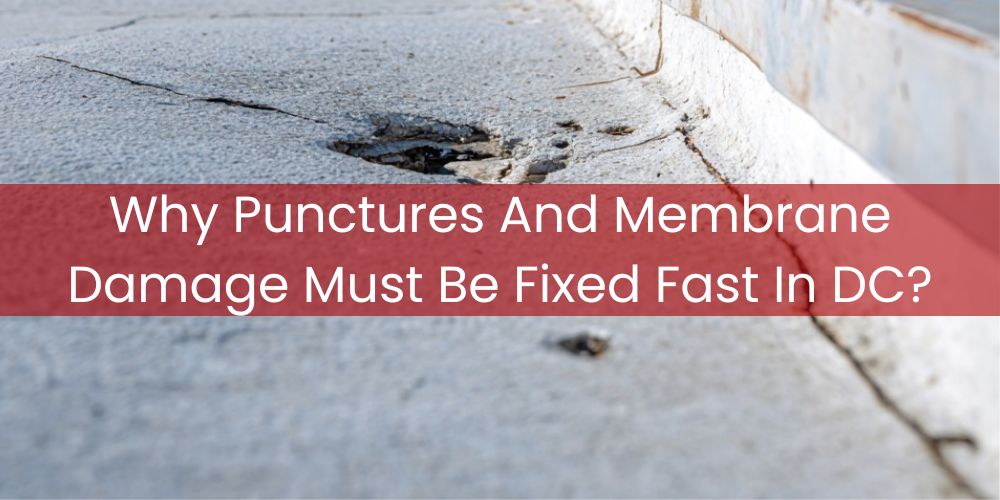
Promptly repairing punctures and membrane damage in Washington DC is essential to prevent water infiltration that can lead to structural damage, mold growth, and costly repairs. Washington DC is known for its humid summers and occasional heavy rainfalls, which can exacerbate roof vulnerabilities if not addressed quickly. Immediate attention to roof issues ensures that commercial buildings maintain their integrity, protecting them from potential water damage that can affect both the structure and the occupants’ comfort. For Washington DC commercial building owners and facility managers, recognizing the urgency in repairing roof punctures and membrane damage can prevent extensive future complications.
Commercial Roofing Washington DC provides professional commercial roof inspection services focused on quickly identifying punctures and membrane damage across Washington DC and the Mid-Atlantic region. Punctures caused by storm debris, foot traffic, or rooftop equipment can compromise membrane integrity and allow water intrusion if not addressed promptly. Our inspection process is designed to locate membrane damage early—often before leaks become visible—so repairs can be completed quickly and effectively. Fast identification and repair help minimise moisture intrusion, prevent insulation saturation, and reduce the risk of more extensive roof system damage. Below we’ll explore why swift action is critical and outline best practices for maintaining the integrity of your commercial roofing systems in the Washington DC area.
What Causes Punctures and Membrane Damage in Commercial Roofs?
Punctures and membrane damage in commercial roofs are primarily caused by physical impact, aging materials, and environmental factors. These damages can lead to leaks and significant structural issues if not addressed promptly. Understanding the primary causes assists in preventive maintenance and timely repair, ensuring roof longevity. Here are the main factors that cause punctures and membrane damage in commercial roofs:
- Foot Traffic: Regular maintenance access can lead to accidental damage.
- Severe Weather: Extreme conditions like hail or high winds can puncture roofing membranes.
- Poor Installation: Incorrect methods or materials result in vulnerable roof areas.
- Aging Materials: Membranes degrade over time, weakening their protective capabilities.
- Mechanical Equipment: Installations like HVAC units can cause stress and puncture roofing materials.
1. Foot Traffic: Regular maintenance access can lead to accidental damage.
Foot traffic refers to the movement of people across a roof for maintenance or inspection. Commercial roofs often endure foot traffic, especially during routine checks, causing unintentional membrane damage. Maintenance workers might drop tools or apply excessive pressure, creating openings or tears. Using protective walkways or limiting access can help minimize this risk. Implementing proper safety protocols and ensuring those accessing the roof are trained can further reduce damage potential.
2. Severe Weather: Extreme conditions like hail or high winds can puncture roofing membranes.
Severe weather encompasses intense atmospheric events such as storms, hail, and strong winds. These conditions can impose significant stress on roofing systems, weakening membrane integrity. For example, hail can physically impact membranes, leading to punctures that compromise waterproofing. Investing in durable materials and regular inspections post-storm can mitigate damage risks, preserving roof health against future weather events.
3. Poor Installation: Incorrect methods or materials result in vulnerable roof areas.
Poor installation is improper placement or choice of roofing materials that impacts roof performance. Substandard installation techniques or the use of inappropriate materials can leave roofs susceptible to issues. Incorrectly applied membranes may not adhere well, leading to premature faults. Hiring experienced, certified professionals for installation and using high-quality materials are critical steps to ensuring a robust, long-lasting roof.
4. Aging Materials: Membranes degrade over time, weakening their protective capabilities.
Aging refers to the natural deterioration of materials due to environmental exposure and time. As roofing materials age, they lose elasticity and become brittle, increasing susceptibility to damage. This degradation process diminishes the roof's ability to repel water, potentially leading to leaks. Regular inspections help identify aging materials early, allowing for timely replacement and prolonging the roof’s lifespan.
5. Mechanical Equipment: Installations like HVAC units can cause stress and puncture roofing materials.
Mechanical equipment involves systems like HVAC units placed on rooftops for functional purposes. These installations often require mounted attachments and maintenance access, exerting pressure on roof membranes. Improper support or frequent access can lead to punctures. Ensuring proper installation and periodic checks of equipment bases can reduce undue stress on roofing systems, maintaining their integrity over time.
Have a question about an upcoming project?
How Do Punctures and Membrane Damage Affect the Performance of Commercial Roofs?
Punctures and membrane damage can significantly compromise the integrity and functionality of commercial roofs. When these damages occur, water can infiltrate the roof system, potentially leading to leaks, reduced insulation effectiveness, and structural damage over time. Addressing and repairing these issues promptly is crucial to maintain the roof's protective capabilities and prolong its lifespan. Here are five key ways punctures and membrane damage can affect commercial roof performance:
- Water Infiltration: Punctures allow water to seep into the roofing system.
- Insulation Degradation: Water compromises the performance of insulation materials present.
- Interior Damage: Leaks from punctures can cause internal building damage.
- Structural Integrity: Long-term exposure to water can weaken structural elements.
- Maintenance Costs: Frequent repairs and issues increase maintenance expenses.
1. Water Infiltration: Punctures allow water to seep into the roofing system.
Water infiltration occurs when water breaches the roofing membrane through punctures or damage. When punctures exist, even minor, water can penetrate, leading to moisture accumulation within the roof layers. This can result in severe water damage if not addressed quickly. Excessive water in the roofing system can lead to mold growth, deterioration of roofing materials, and eventual leakage into the building's interior. Regular inspections and timely repairs help prevent water from compromising the roof’s performance.
2. Insulation Degradation: Water compromises the performance of insulation materials present.
Insulation degradation happens when water infiltrates and saturates the insulation material. Once the insulation gets wet, it loses its thermal resistance properties, diminishing the energy efficiency of the building. This could lead to increased heating and cooling costs, affecting the building's overall energy performance. Proper drainage systems and swift repair of membrane punctures are essential to protect the insulation from moisture exposure, ensuring the building remains energy efficient and cost-effective to operate.
3. Interior Damage: Leaks from punctures can cause internal building damage.
Interior damage refers to the adverse effects leaks can have inside a building. When a puncture causes a leak, water can damage ceilings, walls, and electrical systems. This not only disrupts business operations but can also result in costly repairs and renovations. Maintaining the integrity of the roof membrane is crucial to preventing leaks and protecting the interior of the building. A proactive maintenance plan helps mitigate these risks.
4. Structural Integrity: Long-term exposure to water can weaken structural elements.
Structural integrity involves the roof’s ability to support weight and resist forces over time. Persistent exposure to water due to membrane damage can lead to rusting, rotting, or warping of structural components. This presents safety hazards and undermines the building's stability. Regular structural inspections and addressing water ingress promptly can prevent expensive repairs and assure building safety and longevity.
5. Maintenance Costs: Frequent repairs and issues increase maintenance expenses.
Maintenance costs are the ongoing expenses incurred to keep a roof functional. Punctures and damage increase the frequency and complexity of required maintenance tasks. This not only increases costs but also demands more resources and management attention. Ensuring a robust and reliable roofing membrane reduces frequent maintenance requirements, helping to maintain budget stability and allocate resources more effectively.
Why Is Prompt Repair Critical for the Longevity of Commercial Roofing?
Prompt repairs are essential to prevent small issues from escalating into significant damage that could shorten the roof's lifespan. When minor damage is left unattended, it can lead to leaks, structural damage, and costly replacements. By addressing issues quickly, businesses can maintain the integrity of their roof and avoid interruptions or unexpected expenses. The following list explains why prompt repair is crucial to extending the life of commercial roofing:
- Prevents Structural Damage: Stops small issues from growing into significant structural problems.
- Avoids Costly Repairs: Early intervention saves money by reducing the extent of damage.
- Maintains Energy Efficiency: Ensures insulation remains intact for optimal energy savings.
- Preserves Building Functionality: Prevents leaks that compromise interior spaces and essential operations.
- Enhances Safety: Minimizes hazards like leaks that can cause accidents in the workplace.
1. Prevents Structural Damage: Stops small issues from growing into significant structural problems.
Structural damage occurs when small roofing issues, like minor leaks or membrane damage, are ignored. Prompt repairs help prevent water from seeping into the building’s framework, which can lead to rot and other structural issues. Regular maintenance often reveals these small problems before they can develop into costly structural damage, ultimately preserving the building's overall integrity and reducing the risk of extensive repairs.
2. Avoids Costly Repairs: Early intervention saves money by reducing the extent of damage.
Costly repairs arise when ignored damages accumulate into larger problems requiring more extensive work. Addressing damage early limits the amount of repair work needed and keeps costs down. Fast action on repairs often means the difference between a simple fix and having to replace large sections of the roof, conserving financial resources for the business.
3. Maintains Energy Efficiency: Ensures insulation remains intact for optimal energy savings.
Energy efficiency depends on effective insulation and an intact roofing membrane to reduce energy demand. Prompt repair of any breaches prevents air leaks and keeps the building's climate control efficient. Maintaining the roof's insulation capabilities contributes to lower energy bills and a consistent indoor environment, benefiting both cost savings and occupant comfort.
4. Preserves Building Functionality: Prevents leaks that compromise interior spaces and essential operations.
Building functionality hinges on a secure roof to protect against elements affecting interior spaces. Leaks can disrupt operations, damage equipment, and necessitate emergency repairs or downtime. Effective, timely repairs ensure that the building remains fully operational and its internal spaces are secure from weather-related disruptions.
5. Enhances Safety: Minimizes hazards like leaks that can cause accidents in the workplace.
Workplace safety is directly impacted by leaks and water damage that create slip hazards. Immediate repair of roofing issues prevents accident risks, protecting both employees and property. By ensuring a safe environment, prompt roof maintenance doesn’t only contribute to employee well-being but also supports compliance with safety regulations.
Need Fast Roof Inspections to Identify Punctures and Membrane Damage?
Undetected membrane damage can quickly lead to leaks and costly interior repairs. Our commercial roof inspection services are designed to identify punctures and membrane damage early, allowing for prompt repairs that protect commercial roofs across Washington DC and the Mid-Atlantic region. Contact Commercial Roofing Washington DC today to schedule a commercial roof inspection and address punctures or membrane damage before they escalate into larger roofing issues.