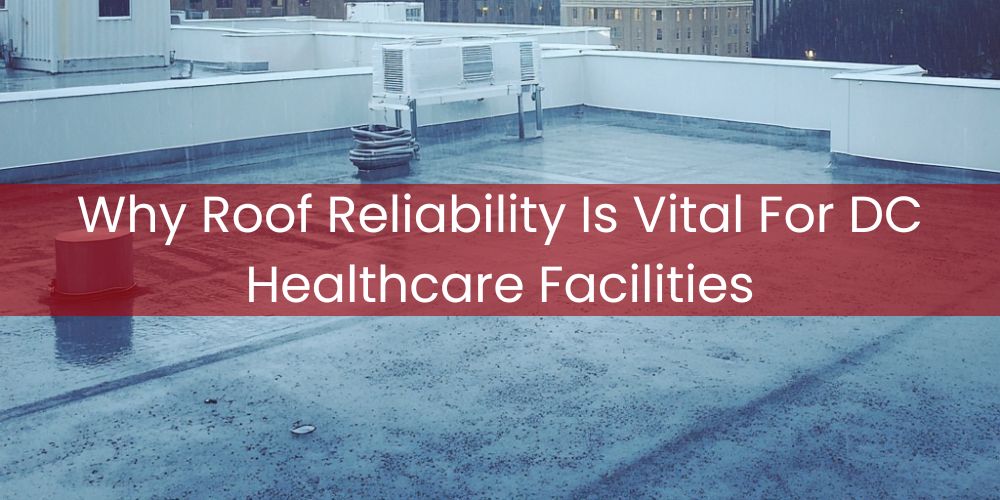
In Washington DC, roof reliability is vital for healthcare facilities to ensure the safety of patients, staff, and sensitive medical equipment from leaks and structural failures caused by the area's unique climate challenges. The fluctuating weather patterns in DC—from humid summers to snowy winters—can stress roofing systems, increasing the risk of leaks, moisture intrusion, and eventual structural damage. Reliable roofing is vital for maintaining operational continuity in healthcare settings, where water damage can disrupt essential services and compromise patient care. For healthcare facility managers and architects in Washington DC, understanding the importance of reliable roofing is crucial to prevent operational disruptions and costly repairs.
Commercial Roofing Washington DC provides specialised commercial roofing services for healthcare facilities across Washington DC and the Mid-Atlantic region. Healthcare buildings require roofing systems that support continuous operation, protect sensitive interior environments, and meet strict safety and compliance standards. Our services are designed to address the unique demands of hospitals, medical offices, clinics, and care facilities, including moisture control, durability, infection prevention considerations, and minimal disruption to patients and staff. From preventative maintenance and inspections to repairs and full roof replacements, we deliver roofing solutions that prioritise reliability, compliance, and long-term performance. Below, we’ll explore the factors contributing to roof reliability, examine the specific challenges DC presents, and share expert maintenance strategies to bolster the protection of critical healthcare infrastructures.
What Are the Unique Roofing Challenges Faced by DC Healthcare Facilities?
Healthcare facilities in Washington, DC face unique roofing challenges due to their critical service nature and specific regional climate factors. Ensuring a weather-resistant, durable, and energy-efficient roof is crucial to maintaining continuous healthcare operations and protecting sensitive medical environments. Selecting the right materials and design considerations is essential to address these challenges effectively. Washington, DC healthcare facilities must consider several critical factors when designing and maintaining their roofing systems:
- Weather Resistance: Shields against DC’s variable climate with robust protection.
- Durability: Ensures long-lasting performance under frequent maintenance demands and harsh weather.
- Energy Efficiency: Reduces operational costs with reflective materials and insulation.
- Critical Operations Support: Maintains reliable operation of HVAC and ventilation systems essential for medical environments.
- Regulatory Compliance: Meets stringent building codes and healthcare-related regulatory requirements.
1. Weather Resistance: Shields against DC’s variable climate with robust protection.
Weather resistance is the ability of a roof to withstand fluctuating weather conditions without damage. In DC, with its hot summers, frigid winters, and frequent storms, healthcare facilities require roofs that can adapt to this variability. Protection against severe weather events ensures the continuous operation of healthcare services without disruptions. The roof must be designed to handle heavy rainfall, snow loads, and strong winds efficiently. Selecting materials like metal or high-quality membrane coatings adds a layer of resilience critical for these facilities.
2. Durability: Ensures long-lasting performance under frequent maintenance demands and harsh weather.
Durability refers to the roof's ability to maintain performance over time, despite environmental stressors. Healthcare facilities require durable roofing to minimize the need for frequent repairs, which can be costly and disruptive. A durable roof protects valuable medical equipment and patient care areas from water intrusion or thermal loss. Constructing a roof with high-grade materials and ensuring proper installation can extend its lifespan significantly. This durability also reduces long-term maintenance costs, allowing budget reallocations to other critical areas.
3. Energy Efficiency: Reduces operational costs with reflective materials and insulation.
Energy efficiency in roofing involves using materials and construction techniques that limit energy consumption. For DC healthcare facilities, reducing energy demands is crucial to both operational savings and environmental responsibility. Incorporating reflective roofing membranes or coatings lowers cooling costs during the hot summers in DC. Proper insulation also plays a significant role in maintaining ideal internal temperatures, thereby reducing the load on the facility's HVAC systems. This efficiency not only cuts costs but also supports sustainability goals.
4. Critical Operations Support: Maintains reliable operation of HVAC and ventilation systems essential for medical environments.
Critical operations support refers to the roof's role in housing and facilitating essential building systems, like HVAC. DC healthcare facilities rely heavily on these systems to maintain sterile, temperature-controlled environments. Any roofing issue that compromises HVAC functionality could have severe implications for patient care. Designing the roof to integrate seamlessly with these systems ensures that they are protected from environmental influences. Regular roof maintenance checks can also prevent potential disruptions by addressing vulnerabilities promptly.
5. Regulatory Compliance: Meets stringent building codes and healthcare-related regulatory requirements.
Regulatory compliance ensures that the roofing systems meet local building codes and specific healthcare standards. In Washington, DC, this involves adhering to both city and federal guidelines designed to protect the public and ensure infrastructure resilience. Healthcare facilities have additional compliance needs to safeguard patient health and hospital operations. Installing or retrofitting roofs to comply with regulations may involve specific materials, fire resistance levels, and environmental impact considerations. Keeping abreast with regulatory updates ensures these facilities avoid legal issues and penalties.
Have a question about an upcoming project?
How Does Roof Reliability Impact Patient Care and Safety?
Reliable roofing is crucial for maintaining a safe and consistent environment for patient care. It ensures uninterrupted operations and protects against structural damage during severe weather conditions. A dependable roof prevents leaks and contamination, safeguarding medical equipment and maintaining the hygiene of the facility. Here are key ways in which roof reliability impacts patient care and safety:
- Weather Protection: Shields against adverse weather conditions to ensure patient safety.
- Structural Integrity: Supports building strength, preventing collapses or damages.
- Leak Prevention: Averts water intrusion, maintaining a sterile environment.
- Energy Efficiency: Reduces heating and cooling strain, enhancing hospital conditions.
- Operational Continuity: Minimizes repairs and disruptions, ensuring consistent care delivery.
1. Weather Protection: Shields against adverse weather conditions to ensure patient safety.
Weather protection involves safeguarding the building from elements like rain, wind, and hail. This direct protection ensures that patients remain safe from immediate hazards during storms or extreme weather. High-quality roofing materials are designed to withstand such conditions, preventing inside disruption. Effective weather protection requires selecting roofing solutions with proven resilience. Adequate drainage systems work in tandem with reliable roofing to prevent water accumulation. A well-maintained roof allows healthcare providers to focus on patient care without weather-related concerns.
2. Structural Integrity: Supports building strength, preventing collapses or damages.
Structural integrity refers to the ability of a roof to maintain the building's stability under stress. Healthcare facilities rely on this strength to avert catastrophic collapse during adverse conditions like heavy snowfall or high winds. Consistent maintenance bolsters this integrity, ensuring comprehensive support. Proactive inspections identify weak spots that could compromise structural stability. Reinforced materials and regular upkeep preserve the building's durability, providing reassurance to staff and patients alike.
3. Leak Prevention: Averts water intrusion, maintaining a sterile environment.
Leak prevention is vital for keeping water out, preserving the interior conditions of healthcare facilities. Leaking roofs can lead to mold growth and equipment damage, jeopardizing patient health and safety. Keeping a facility dry avoids contamination risks crucial for sterile medical environments. Regular inspection and maintenance catch early signs of potential leaks. Sealants and waterproof membranes form integral parts of a strategy to prevent water intrusion, thereby upholding patient care quality.
4. Energy Efficiency: Reduces heating and cooling strain, enhancing hospital conditions.
Energy efficiency involves reducing the energy required for heating and cooling, saving costs while improving interior comfort. Efficient roofs support temperature regulation, crucial for patient well-being and operational budgets. Reflective roofing materials and adequate insulation minimize energy consumption, ensuring patient comfort. By maintaining optimal indoor temperatures, healthcare environments lessen the risk of thermal discomfort for both patients and staff. Energy savings can be redirected towards patient care improvements, reflecting a cost-effective approach to facility management.
5. Operational Continuity: Minimizes repairs and disruptions, ensuring consistent care delivery.
Operational continuity ensures minimal disruption to building functions, maintaining uninterrupted healthcare services. Unreliable roofing can lead to unexpected closures due to extensive repairs, delaying patient care. Dependable roofing systems reduce the frequency and extent of maintenance needs. The focus on operational continuity enables healthcare facilities to allocate resources efficiently and prioritize patient needs without interruption. Planning for repairs during low-demand periods ensures minimal impact on service availability.
What Considerations Should Be Made for Ensuring Long-Term Roof Reliability in Healthcare Settings?
Ensuring long-term roof reliability in healthcare settings involves prioritizing durability, weather resistance, maintenance, and compliance with health regulations. The demands of healthcare facilities make roof performance crucial to ensure patient safety and operational efficiency. A focus on quality materials and proactive maintenance is essential to meet these requirements. Here is a prioritized list of considerations for maintaining a reliable roof in healthcare settings:
- Material Durability: Select materials that withstand continuous environmental stressors.
- Weather Resistance: Design to endure diverse weather conditions typical of the location.
- Regular Maintenance: Implement routine inspections to identify and resolve potential issues.
- Energy Efficiency: Use materials and designs that minimize energy consumption.
- Compliance with Health Standards: Ensure roofing systems support sanitation and air quality standards.
1. Material Durability: Select materials that withstand continuous environmental stressors.
Material durability refers to the use of roofing materials that can endure long-term environmental stress without significant degradation. Healthcare facilities require roofs that remain functional and safe over many years, handling stress from weather, structural loads, and maintenance actions. Choosing durable materials is critical; it reduces the need for replacements and repairs, ensuring minimal disruption to the healthcare facility's operations and patient care activities.
2. Weather Resistance: Design to endure diverse weather conditions typical of the location.
Weather resistance involves designing a roof capable of withstanding the specific weather patterns prevalent in the healthcare facility's location. Inconsistent weather patterns can compromise roof integrity if not properly addressed, leading to potential leaks and structural damage that can disrupt medical operations. Effective weather-resistant designs ensure the facility is safeguarded against elements like heavy rain, wind, and temperature extremes, maintaining a controlled internal environment essential for patient care.
3. Regular Maintenance: Implement routine inspections to identify and resolve potential issues.
Regular maintenance refers to scheduled inspections and repairs to keep a roof in optimal condition. Consistent maintenance is crucial in healthcare settings, as small roofing issues can quickly escalate to problems affecting the entire facility, interfering with its runnings and patient activities. A proactive maintenance approach extends roof lifespan by promptly addressing wear and tear, preventing costly emergencies and ensuring continuous operation without interruptions.
4. Energy Efficiency: Use materials and designs that minimize energy consumption.
Energy efficiency means employing roofing materials and constructions that contribute to reduced energy use within the healthcare facility. Energy conservation is particularly important in healthcare settings where energy demands are high; roofs play a pivotal role in insulating and reducing heating and cooling costs. Incorporating energy-efficient roofing solutions helps diminish the facility's environmental impact, lowers operational costs, and aligns with sustainability goals, essential for modern healthcare infrastructures.
5. Compliance with Health Standards: Ensure roofing systems support sanitation and air quality standards.
Compliance with health standards includes designing and maintaining roofs to meet specific sanitation and air quality requirements. Healthcare facilities must adhere to strict guidelines to maintain environments that are sanitary and safe for patients, staff, and visitors, and roofs must prevent contamination sources and support controlled air conditions. Ensuring that roofing systems comply with these standards requires integration of proper drainage systems, materials that prevent mold and mildew, and designs that facilitate air purity and hygiene control.
Need Commercial Roofing Services for a Healthcare Facility?
Healthcare facilities depend on dependable roofing systems to protect patients, staff, and critical operations. Our commercial roofing services are tailored to the specialised requirements of healthcare buildings throughout Washington DC and the Mid-Atlantic region. Contact Commercial Roofing Washington DC today to discuss commercial roofing services designed for healthcare facilities across Washington DC and the Mid-Atlantic region.