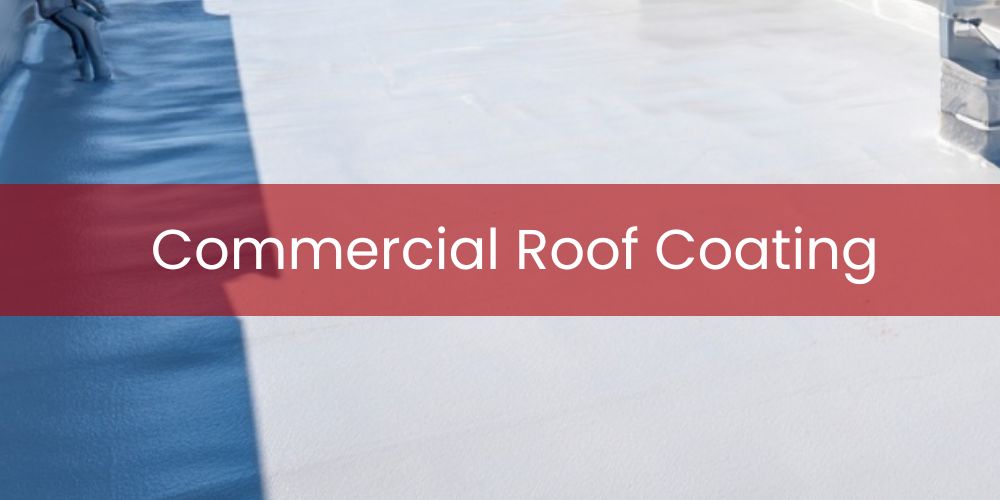
Commercial roof coating is a restoration solution that involves applying a fluid-applied protective membrane over an existing commercial roof to extend its service life, improve waterproofing, and enhance energy performance. Roof coatings are commonly used to stabilize aging roof systems, reduce heat gain, and delay full replacement when the underlying structure remains sound. Commercial Roofing Washington DC provides commercial roof coating services throughout Washington DC, working with building owners and facility managers to restore and protect flat and low-slope commercial roofing systems.
In Washington DC, commercial roof coatings can significantly extend the lifespan of roofs by 5 to 15 years, offering protection against the city’s varied weather conditions, such as heavy rainfall and fluctuating temperatures. The diverse climate in Washington DC can accelerate wear and tear on commercial roofs, making regular maintenance and proper coating selection crucial. By applying a high-quality roof coating, building owners can protect their investment from moisture penetration, UV damage, and thermal expansion, which are common challenges in this region. For Washington DC commercial building owners and facility managers, understanding the impact of roof coatings on durability and maintenance can prevent costly repairs and enhance energy efficiency. In this blog, we’ll explore the benefits of different roof coating options, assess their effectiveness in the DC climate, and provide actionable guidance for choosing the best solution to extend your commercial roof’s life.
What Are the Benefits of Commercial Roof Coating for Buildings in Washington DC?
Commercial roof coatings provide weather protection and improve energy efficiency for buildings in Washington DC. The unique climate of Washington DC poses challenges such as varying temperatures and potential for humidity, making roof coatings a valuable investment. They help protect the building structure, reduce maintenance costs, and contribute to environmental sustainability. Here are the top benefits of commercial roof coating for buildings in Washington DC:
- Weather Resistance: Protects against DC’s variable climate, including rain and temperature changes.
- Energy Efficiency: Reflects sunlight, reducing energy consumption and cooling costs.
- Cost-Effective Maintenance: Extends roof life, minimizes repair needs, and lowers overall expenses.
- Leak Prevention: Seals cracks and prevents water intrusion, safeguarding the building's interior.
- Environmental Sustainability: Reduces urban heat and contributes to eco-friendly building practices.
1. Weather Resistance: Protects against DC’s variable climate, including rain and temperature changes.
Weather resistance in roof coatings helps protect buildings from weather-related damage. In Washington DC, commercial roofs are exposed to frequent rain events, freeze–thaw cycles, and wide seasonal temperature swings that accelerate membrane aging and surface deterioration. Without protection, these stresses lead to cracking, seam fatigue, and moisture intrusion as roofing materials expand and contract. Commercial roof coatings form a continuous, elastomeric barrier that absorbs thermal movement and resists water penetration, preventing minor surface defects from developing into active failure points. For building owners, this means improved roof stability through seasonal weather changes and reduced risk of weather-driven damage that shortens roof lifespan.
2. Energy Efficiency: Reflects sunlight, reducing energy consumption and cooling costs.
Energy efficiency in roof coatings helps to lower building cooling requirements and related costs. During Washington DC’s hot and humid summers, unprotected roofs absorb significant solar heat, increasing rooftop temperatures and driving higher HVAC demand. Reflective roof coatings reduce solar heat gain by increasing surface reflectivity, limiting the amount of heat transferred into the building. This directly lowers interior temperature fluctuations and reduces cooling system workload. For property operators, the result is lower energy consumption during peak summer months, improved occupant comfort, and reduced long-term strain on HVAC equipment.
3. Cost-Effective Maintenance: Extends roof life, minimizes repair needs, and lowers overall expenses.
Cost-effective maintenance refers to the reduced need for frequent repairs and premature roof replacement. Commercial roofs in Washington DC experience accelerated wear from moisture exposure, UV radiation, and thermal cycling, which can rapidly degrade unprotected membranes. Roof coatings slow this degradation by shielding the underlying roof surface from direct environmental exposure, reducing oxidation, cracking, and surface erosion. By stabilizing the existing roof system, coatings delay the need for tear-offs and allow issues to be addressed proactively rather than reactively. For building owners, this translates into lower lifecycle costs, predictable maintenance planning, and deferred capital expenditure on full roof replacement.
4. Leak Prevention: Seals cracks and prevents water intrusion, safeguarding the building's interior.
Leak prevention involves creating a watertight seal that protects the building from moisture damage. In Washington DC, recurring rainfall and snowmelt exploit small cracks, seams, and penetrations that develop over time in commercial roofs. Left untreated, these minor defects allow water intrusion that can damage insulation, interiors, and structural components. Roof coatings create a seamless, monolithic layer that bridges small gaps and reinforces vulnerable areas, eliminating direct pathways for water entry. This protects interior assets, reduces the likelihood of emergency leak repairs, and helps maintain uninterrupted building operations.
5. Environmental Sustainability: Reduces urban heat and contributes to eco-friendly building practices.
Environmental sustainability in roof coatings saves energy and supports greener building strategies. In dense urban environments like Washington DC, dark roof surfaces contribute to the urban heat island effect by absorbing and re-radiating heat into the surrounding area. Reflective roof coatings reduce surface temperatures, lowering both building heat gain and ambient rooftop temperatures. Beyond energy savings, extending roof service life through coatings reduces material waste and the environmental impact associated with frequent tear-offs. For businesses, this supports sustainability goals, reduces carbon footprint over the building’s lifecycle, and aligns with green building and energy-efficiency initiatives.
Have a question about an upcoming project?
How Does the Climate in Washington DC Affect the Longevity of Commercial Roofs?
The climate in Washington DC influences commercial roof longevity through weather variations, precipitation, and temperature fluctuations. The city's humid subtropical climate presents challenges like heavy rain, snow, and variable temperatures, all of which impact roofing materials over time. Managing these environmental factors is essential for extending the lifespan of commercial roofs in the area. To better understand the specific influences of Washington DC's climate on commercial roofs, consider the following key factors:
- Temperature Fluctuations: Can cause expansion and contraction affecting roof integrity.
- Humidity and Precipitation: Higher moisture levels contribute to roof material degradation.
- Seasonal Snowfall: Accumulated snow can stress the roof structure significantly.
- UV Exposure: Prolonged sun exposure contributes to material deterioration over time.
- Wind Resistance: Strong winds could loosen roofing materials and reduce their lifespan.
1. Temperature Fluctuations: Can cause expansion and contraction affecting roof integrity.
Washington DC experiences wide seasonal and daily temperature swings that cause roofing materials to repeatedly expand during heat and contract during cold conditions. Roofing systems that lack flexibility or stress-relief mechanisms tend to develop fatigue at seams, penetrations, and transitions as this movement accumulates. Over time, this leads to cracking, seam separation, and loss of waterproof integrity. Commercial roofing systems designed to tolerate thermal movement distribute stress across membranes, fasteners, or layers rather than concentrating it at weak points. When thermal cycling is properly accommodated, roofs maintain continuity and avoid progressive damage, extending service life despite DC’s variable temperature profile.
2. Humidity and Precipitation: Higher moisture levels contribute to roof material degradation.
Washington DC’s humid subtropical climate exposes commercial roofs to prolonged moisture, frequent rainfall, and slow drying conditions. Roofing systems that allow water infiltration or trap moisture within the assembly are vulnerable to insulation saturation, membrane blistering, and accelerated material breakdown. Persistent moisture also increases the risk of biological growth and corrosion of metal components. Effective commercial roof assemblies manage this exposure through continuous waterproofing layers, properly detailed drainage paths, and vapor control that limits moisture migration. By preventing water from entering or remaining within the roof system, long-term structural degradation and premature failure are significantly reduced.
3. Seasonal Snowfall: Accumulated snow can stress the roof structure significantly.
While snowfall in Washington DC is intermittent, heavy snow events combined with freeze–thaw cycles place substantial static and dynamic loads on commercial roofs. Accumulated snow increases dead load, while melting and refreezing can force water into seams, flashings, and minor defects. Roofs that are not designed for adequate load distribution or drainage can experience deck deflection, seam stress, and water intrusion during thaw periods. Commercial roofing systems that account for snow loads through proper structural support, drainage design, and membrane integrity are better able to withstand these events without long-term damage. Managing snow-related stress prevents sudden failures and preserves roof performance through winter conditions.
4. UV Exposure: Prolonged sun exposure contributes to material deterioration over time.
During Washington DC summers, commercial roofs are subjected to sustained ultraviolet radiation that accelerates material aging. UV exposure breaks down polymers, oxidizes asphaltic components, and causes membranes to lose flexibility over time. As materials embrittle, they become more susceptible to cracking, punctures, and loss of waterproofing capability. Roofing systems that incorporate UV-resistant materials, protective surfacing, or reflective coatings slow this degradation process. By limiting UV-driven aging, these systems retain their mechanical properties longer, reducing the rate at which performance declines and extending overall roof lifespan.
5. Wind Resistance: Strong winds could loosen roofing materials and reduce their lifespan.
Washington DC experiences periodic high-wind events associated with storms and seasonal weather systems. Wind forces place uplift pressure on roof membranes, fasteners, and edge details, particularly at corners and perimeters. Roofing systems that are poorly attached or inadequately detailed can experience membrane billowing, fastener withdrawal, or progressive edge failure, which often leads to leaks or cascading damage. Commercial roofs designed with appropriate attachment methods, edge reinforcement, and wind-load compliance maintain system integrity under these conditions. Strong wind resistance reduces the likelihood of sudden failure and prevents minor damage from escalating into costly repairs.
What Should You Consider When Choosing a Roof Coating for Your Commercial Property in Washington DC?
Consider climate adaptability, energy efficiency, durability, cost-effectiveness, and UV protection when selecting a roof coating. Washington DC's varied climate demands roofing solutions that can withstand both heat and cold, and a proper coating will enhance the longevity and performance of your roof. Selecting the right roof coating can lead to reduced maintenance costs and increased energy savings over time. Here are the key factors to consider when choosing a roof coating for your commercial property:
- Climate Adaptability: Withstands DC's hot summers and cold winters efficiently.
- Energy Efficiency: Reflects sunlight to reduce cooling costs during warmer months.
- Durability: Offers long-lasting protection against natural elements and wear.
- Cost-Effectiveness: Balances initial expense with long-term savings on energy and maintenance.
- UV Protection: Shields the roof from harmful ultraviolet rays, preventing degradation.
1. Climate Adaptability: Withstands DC's hot summers and cold winters efficiently.
Climate adaptability refers to the roof coating's ability to perform well under various weather conditions. In Washington DC, commercial roofs experience repeated freeze–thaw cycles, summer heat expansion, and rapid temperature shifts that place stress on roof membranes and seams. Coatings that lack elasticity or thermal tolerance can crack, split, or delaminate as the substrate moves beneath them. A climate-adaptable roof coating maintains flexibility across temperature extremes, allowing it to expand and contract with the roof without losing adhesion. This reduces stress-related failures and helps preserve the roof’s waterproofing performance throughout seasonal changes.
2. Energy Efficiency: Reflects sunlight to reduce cooling costs during warmer months.
Energy efficiency involves how well the roof coating can reduce heat absorption, thereby lowering cooling needs. During DC’s hot and humid summers, uncoated or dark roof surfaces absorb solar heat, increasing rooftop temperatures and transferring heat into the building. Reflective roof coatings reduce solar gain by deflecting a significant portion of sunlight away from the roof surface. This lowers interior temperatures, reduces HVAC workload, and helps prevent heat-related membrane degradation. Over time, this improves occupant comfort while stabilizing energy costs during peak cooling periods.
3. Durability: Offers long-lasting protection against natural elements and wear.
Durability ensures that the roof coating remains effective over extended periods, reducing maintenance needs. Commercial roofs in Washington DC are exposed to UV radiation, standing water, foot traffic, and airborne contaminants that gradually degrade unprotected surfaces. A durable roof coating forms a continuous protective layer that resists erosion, cracking, and surface breakdown. By shielding the underlying roof system from direct exposure, the coating slows material aging and reduces the frequency of repairs. This durability translates into fewer service interruptions and a longer functional roof lifespan.
4. Cost-Effectiveness: Balances initial expense with long-term savings on energy and maintenance.
Cost-effectiveness evaluates the initial investment against potential savings over time. While roof coatings require upfront installation costs, they can significantly reduce long-term expenses by delaying roof replacement and lowering repair frequency. In DC’s climate, coatings help mitigate damage caused by moisture infiltration, UV exposure, and thermal cycling, all common drivers of premature roof failure. By extending the service life of the existing roof system and reducing energy consumption, a well-chosen coating delivers predictable lifecycle savings rather than short-term cost reduction alone.
5. UV Protection: Shields the roof from harmful ultraviolet rays, preventing degradation.
UV protection measures the coating's capacity to guard against ultraviolet radiation, which can cause significant roof degradation. Prolonged UV exposure accelerates oxidation, embrittlement, and surface cracking in many roofing materials, particularly during DC’s summer months. Roof coatings with strong UV-resistant properties reflect and absorb less ultraviolet radiation, protecting the roof membrane beneath from direct solar damage. This slows material breakdown, preserves waterproofing performance, and reduces the risk of early failure. Effective UV protection is a key factor in maintaining roof integrity and extending service life in sun-exposed urban environments.
Need Help With Commercial Roof Coating In Washington DC?
If you already know your roof is aging and needs action, are noticing early warning signs like leaks, surface wear, or rising energy costs, or simply want expert guidance before committing to a major replacement, Commercial Roofing Washington DC can help. Our team works with property owners, asset managers, and facilities teams to assess roof condition, explain whether coating is appropriate, and design a coating solution that aligns with your building’s structure, budget, and long-term plans. Whether you need immediate stabilization, a cost-effective life extension strategy, or clear professional advice to determine your next step, Commercial Roofing Washington DC is ready to support your commercial roof with experience, transparency, and confidence.