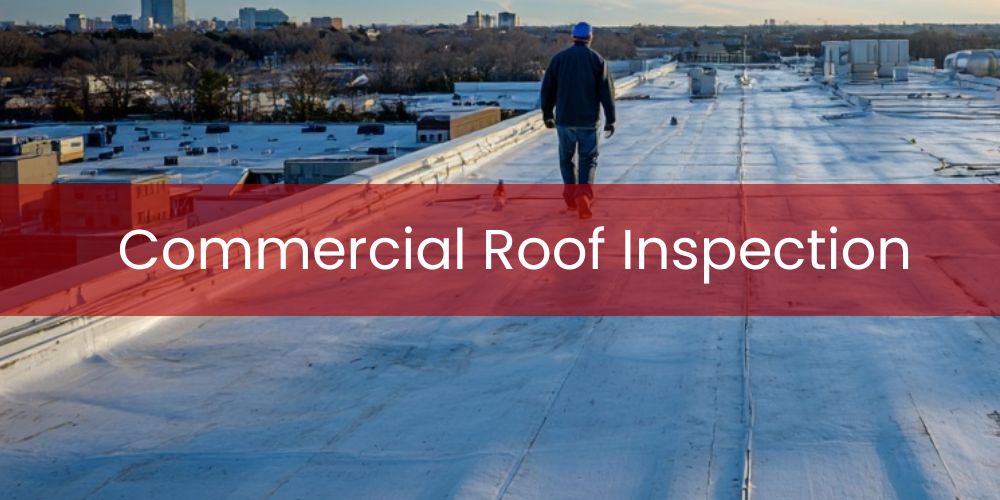
Commercial roof inspection is the process of professionally evaluating the condition of a commercial roofing system to identify defects, moisture intrusion, structural risks, and early signs of failure before they escalate into costly damage. Inspections assess membranes, seams, flashing, drainage, insulation condition, and rooftop penetrations to support informed maintenance, repair, or replacement decisions. Commercial Roofing Washington DC provides professional commercial roof inspection services throughout Washington DC.
In Washington DC, regular commercial roof inspections are crucial for safeguarding buildings year-round, as they ensure early detection of potential damage from seasonal weather changes, including summer storms and winter freezes. DC's humid subtropical climate exposes roofs to various challenges, such as high rainfall, which can lead to leaks if drainage issues are not promptly addressed. Additionally, cold winters with occasional ice storms necessitate inspections to prevent structural damage from ice accumulation and temperature fluctuations. For commercial building owners and facility managers in Washington DC, understanding the importance of consistent roof inspections is key to maintaining building integrity and avoiding costly repairs. In this blog, we’ll explore the critical role of inspections in protecting DC buildings from weather-related damage throughout the year, emphasizing proactive strategies to enhance roof durability and longevity.
Why Is Regular Commercial Roof Inspection Essential for DC Buildings?
Regular inspections are crucial to maintaining the integrity and safety of commercial roofs in DC. Without inspections, minor roof issues can develop into significant problems, leading to costly repairs and safety risks. In DC, where buildings experience various weather challenges, ensuring the roof's condition is crucial for the longevity of the structure. Here are five key reasons why commercial roof inspections are essential in DC:
- Weather Damage Identification: Detects damage from DC's varied climates and weather extremes.
- Preventative Maintenance: Addresses minor issues to prevent costly repairs and significant damage.
- Safety Assurance: Ensures the roof meets safety standards and prevents hazardous conditions.
- Energy Efficiency: Maintains insulation and reduces energy costs by preventing roof leaks.
- Longevity: Prolongs roof lifespan by addressing wear and tear effectively.
1. Weather Damage Identification: Detects damage from DC's varied climates and weather extremes.
Weather damage identification involves evaluating a roof after exposure to different weather conditions. In Washington DC, repeated freeze–thaw cycles, wind-driven rain, snow accumulation, and summer heat place cumulative stress on roofing membranes, seams, flashings, and fasteners. Without inspection, small failures such as membrane splits, lifted edges, or compromised sealants often go unnoticed until water infiltration occurs. Regular inspections allow these climate-driven failure points to be identified early, before moisture migrates into insulation or structural components. This early detection significantly reduces the risk of widespread damage and costly interior repairs.
2. Preventative Maintenance: Addresses minor issues to prevent costly repairs and significant damage.
Preventative maintenance involves regular actions aimed at reducing the risk of major problems. In DC’s climate, minor roofing issues rarely remain minor, as seasonal weather accelerates deterioration once a weakness is present. Small defects such as loose fasteners, deteriorating sealants, or minor membrane damage can quickly expand under thermal movement and moisture exposure. Inspections identify these early-stage issues while they are still localized and inexpensive to correct. Addressing problems at this stage prevents cascading failures that often lead to emergency repairs or premature roof replacement.
3. Safety Assurance: Ensures the roof meets safety standards and prevents hazardous conditions.
Safety assurance is the process of confirming that a roof adheres to current safety regulations. Over time, weather exposure, aging materials, and deferred maintenance can create unsafe conditions such as weakened decking, loose components, or unstable roof surfaces. In Washington DC, where many commercial buildings are older and subject to evolving codes, inspections help identify structural or safety-related deficiencies before they pose risks to occupants or maintenance personnel. Ensuring these hazards are corrected protects both people and property while reducing liability exposure for building owners.
4. Energy Efficiency: Maintains insulation and reduces energy costs by preventing roof leaks.
Energy efficiency involves optimizing a structure to conserve energy or use it more effectively. When roofing components are compromised, moisture intrusion can saturate insulation, drastically reducing its thermal performance. In DC’s hot summers and cold winters, this loss of insulation efficiency leads to higher heating and cooling demands. Regular roof inspections identify leaks, wet insulation, and thermal weak points early, allowing corrective action before energy losses escalate. Maintaining the roof’s thermal integrity helps stabilize indoor temperatures and control long-term energy costs.
5. Longevity: Prolongs roof lifespan by addressing wear and tear effectively.
Longevity refers to extending the useful life of the roof through proactive care. All commercial roofs experience gradual wear from weather exposure, foot traffic, and material aging, but in DC’s variable climate, deterioration accelerates when issues are left unaddressed. Inspections provide a systematic way to monitor aging components and intervene before damage becomes structural or widespread. By correcting problems incrementally rather than reactively, building owners can delay major capital expenditures and maximize the roof’s service life. This approach results in lower lifecycle costs and greater long-term asset stability.
Have a question about an upcoming project?
What Are the Key Elements to Look for During a Commercial Roof Inspection?
During a commercial roof inspection, key elements such as damage assessment, waterproofing, drainage, surface integrity, and material condition are crucial for ensuring long-term performance. Regular inspections help identify issues before they become major problems, ensuring the roof remains functional and safe. Understanding these elements will ensure you maintain your commercial roof effectively and extend its lifespan. The following list outlines the most important aspects to evaluate during a commercial roof inspection:
- Damage Assessment: Check for cracks, tears, and punctures compromising the roof structure.
- Waterproofing and Seals: Inspect blisters, bubbles, or peeling at seams and penetrations.
- Drainage Systems: Ensure proper functioning to avoid water pooling and costly repairs.
- Surface Integrity: Look for signs of wear, algae growth, and debris accumulation.
- Material and Flashing Condition: Assess deterioration that could affect performance and longevity.
1. Damage Assessment: Check for cracks, tears, and punctures compromising the roof structure.
Damage assessment involves thoroughly examining the roof for any visible signs of damage, such as cracks, tears, and punctures. These defects matter because even small breaches can act as direct entry points for water, allowing moisture to migrate into insulation layers and the roof deck. Once moisture is trapped, it accelerates material degradation, reduces insulation performance, and increases the risk of hidden rot or corrosion. In commercial systems, punctures caused by foot traffic or equipment are especially dangerous because they often go unnoticed until widespread damage occurs. Identifying these issues early prevents localized defects from turning into system-wide failures that require extensive repairs or premature replacement.
2. Waterproofing and Seals: Inspect blisters, bubbles, or peeling at seams and penetrations.
Waterproofing and sealing involve checking for any signs of blisters, bubbles, or peeling, particularly at seams and roof penetrations. These symptoms typically indicate trapped moisture, adhesive failure, or thermal stress concentrating at weak points in the membrane. Seams and penetrations experience more movement than field areas, making them the most common origin points for leaks. If blisters or separation are ignored, water can spread laterally beneath the membrane, greatly expanding the affected area. Early identification allows targeted resealing before water infiltration compromises insulation, interior finishes, or structural components.
3. Drainage Systems: Ensure proper functioning to avoid water pooling and costly repairs.
Drainage system inspection ensures that the roof’s water exit routes, such as drains, scuppers, gutters, and downspouts, are functioning correctly. When drainage is restricted, standing water increases hydrostatic pressure on the roofing membrane and accelerates seam fatigue and material breakdown. Prolonged ponding also adds structural load and increases the likelihood of leaks at penetrations and low points. Even systems designed to tolerate standing water experience reduced lifespan when drainage is consistently poor. Ensuring clear, functional drainage protects the roof from avoidable stress and significantly reduces long-term maintenance costs.
4. Surface Integrity: Look for signs of wear, algae growth, and debris accumulation.
Surface integrity involves inspecting the roof for signs of wear, biological growth, or debris accumulation that can compromise performance. Worn surfaces expose underlying materials to UV radiation and moisture, accelerating aging and loss of flexibility. Algae and organic debris trap moisture against the roof surface, creating conditions that promote membrane degradation and localized decay. Debris can also block drainage paths, compounding water-related issues. Maintaining a clean, intact surface helps the roof shed water properly and preserves the protective layers that prevent premature failure.
5. Material and Flashing Condition: Assess deterioration that could affect performance and longevity.
Material and flashing condition inspection involves assessing deterioration in roofing materials and flashings that could impact overall roof performance. Flashings are critical transition points that absorb movement between roof sections, walls, and penetrations, making them highly vulnerable to fatigue and separation. When flashing materials crack, shrink, or detach, water intrusion often occurs long before problems are visible inside the building. Deteriorating field materials can signal broader aging or compatibility issues within the roof system. Monitoring and repairing these components early preserves watertight integrity and prevents small defects from cascading into major failures.
How Can Seasonal Changes Affect Commercial Roof Maintenance in DC?
Seasonal changes can significantly impact the maintenance needs of commercial roofs in Washington, DC. With varying temperatures, weather conditions, and precipitation levels throughout the year, commercial roofs require regular checks and adjustments to ensure they remain in good condition. Proactive maintenance can help prevent damage and extend the roof's lifespan. Understanding how different seasons affect your commercial roof is crucial for effective maintenance planning. Here are the top factors impacted by seasonal changes:
- Temperature Fluctuations: Can cause roof materials to expand and contract, leading to damages.
- Winter Snow Load: Heavy snowfall can strain roofing structures, necessitating inspection and snow removal.
- Spring Rainfall: Excessive rain can expose drainage issues and potentially cause leaks or water damage.
- Summer Sun Exposure: Intense UV rays can degrade roofing materials, requiring UV-resistant coatings.
- Fall Debris Buildup: Falling leaves and debris can clog gutters, creating water backup issues.
1. Temperature Fluctuations: Can cause roof materials to expand and contract, leading to damages.
Temperature fluctuations refer to the variation in temperature that can cause materials to expand and contract. In Washington DC, frequent swings between freezing winter temperatures and hot summer conditions create repeated thermal cycling in commercial roofing systems. This movement places stress on membranes, seams, fasteners, and flashings, particularly in systems that lack flexibility or have aged materials. Over time, repeated expansion and contraction can cause splitting, seam separation, and fatigue at penetrations. Seasonal maintenance helps identify early signs of thermal stress so materials can be reinforced or sealed before movement-related failures turn into active leaks.
2. Winter Snow Load: Heavy snowfall can strain roofing structures, necessitating inspection and snow removal.
A winter snow load is the weight of snow and ice accumulating on a roof during winter months. In Washington DC, snow events are often followed by freeze–thaw cycles, which increase load weight as snow absorbs moisture and refreezes. Flat and low-slope commercial roofs are particularly vulnerable to excessive loading, ice dam formation, and blocked drainage. If snow loads are not monitored, they can overstress structural components or force water beneath membranes during melting periods. Seasonal inspections and controlled snow management reduce structural risk and prevent water intrusion caused by trapped meltwater.
3. Spring Rainfall: Excessive rain can expose drainage issues and potentially cause leaks or water damage.
Spring rainfall refers to the heavy and frequent rains typical of the spring season. In DC, prolonged rain events place continuous demand on roof drainage systems that may already be compromised by winter debris or ice damage. When drains, scuppers, or gutters are partially blocked, water can pond on the roof surface, increasing hydrostatic pressure on seams and penetrations. Persistent ponding accelerates membrane degradation and raises the likelihood of leaks. Spring maintenance focuses on restoring proper drainage flow and identifying areas where standing water has begun to stress the roofing system.
4. Summer Sun Exposure: Intense UV rays can degrade roofing materials, requiring UV-resistant coatings.
Summer sun exposure describes the intense ultraviolet (UV) radiation common during DC’s summer months. Prolonged UV exposure accelerates material aging by breaking down surface compounds, drying out membranes, and reducing elasticity in asphalt-based and single-ply systems. As materials lose flexibility, they become more susceptible to cracking and splitting during subsequent temperature changes. Seasonal maintenance allows roofing professionals to assess surface degradation and apply reflective or protective coatings that slow UV-driven deterioration. This intervention helps preserve membrane performance and delays premature roof aging.
5. Fall Debris Buildup: Falling leaves and debris can clog gutters, creating water backup issues.
Fall debris buildup involves leaves and organic material collecting on rooftops and within drainage components. In Washington DC, autumn leaf accumulation frequently obstructs drains and gutters, preventing water from exiting the roof efficiently. Blocked drainage causes water to back up onto the roof surface, increasing ponding and forcing moisture into seams, edges, and flashing details. If left unaddressed, this moisture accelerates material breakdown and raises leak risk during winter freeze conditions. Fall maintenance focuses on debris removal and drainage clearing to ensure the roof enters winter with unobstructed water flow.
Need Help With A Commercial Roof Inspection In Washington DC?
If you already suspect your roof may have issues, are noticing warning signs like leaks or drainage problems, or simply want clarity on your roof’s current condition before committing to repairs or replacement, Commercial Roofing Washington DC can help. Our inspections are designed for property owners, facility managers, and asset planners who need accurate information, not guesswork. Whether you need documentation for budgeting, compliance, insurance, or long-term planning, Commercial Roofing Washington DC delivers clear assessments, practical recommendations, and expert guidance to help you make confident decisions about your commercial roof.