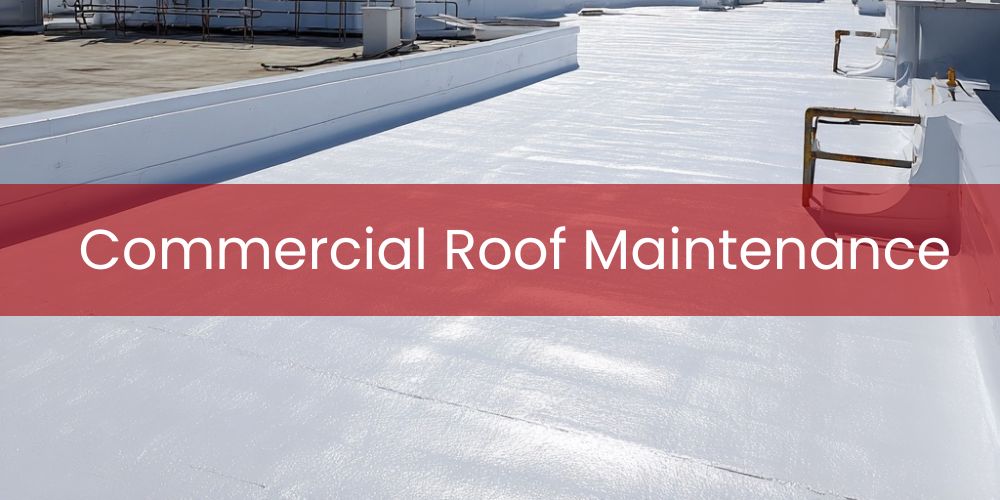
Commercial roof maintenance is the ongoing process of inspecting, servicing, and proactively addressing wear, drainage issues, minor defects, and environmental stress to keep a commercial roofing system performing as intended. In Washington DC, where roofs are exposed to frequent rainfall, humidity, thermal cycling, and storm activity, routine maintenance is critical to preventing premature failure, unexpected leaks, and costly emergency repairs.
Commercial Roofing Washington DC provides professional commercial roof maintenance services throughout Washington DC, supporting office buildings, industrial facilities, government properties, healthcare buildings, and multi-tenant commercial assets with structured, climate-appropriate maintenance programs.
In Washington, DC, commercial roof maintenance is crucial during seasonal changes to prevent issues such as leaks, thermal stress, and moisture accumulation caused by variable weather conditions. Washington, DC's distinct seasons can pose various challenges for commercial roofs, including the intense summer heat that can crack and degrade roofing materials and the ice and snow in winter that may lead to ice dams and water penetration. Regular inspections and maintenance are vital to ensuring that roofing systems remain durable and energy-efficient throughout the year, minimizing risks of damage and extending the roof’s lifespan.
For commercial building owners and facility managers in Washington, DC, understanding the importance of seasonal roof maintenance can prevent costly repairs and protect assets. In this blog, we’ll explore the key seasonal threats to DC roofs, share effective maintenance strategies, and offer expert advice to ensure commercial buildings are protected year-round.
Why is Seasonal Maintenance Crucial for Commercial Roofs in DC?
Seasonal maintenance is essential for commercial roofs in DC to ensure long-term durability and performance. The district experiences a range of weather conditions, from hot and humid summers to cold and snowy winters, which can significantly affect the condition of commercial roofs. By conducting regular inspections and maintenance, businesses can extend the lifespan of their roofs and avoid costly repairs. Below are the key reasons why seasonal maintenance is crucial for commercial roofs in Washington, DC:
- Weather Resistance: Safeguards roof against DC's unpredictable weather patterns and temperature changes.
- Leak Prevention: Identifies and addresses potential leak sources before they cause interior damage.
- Structural Integrity: Ensures the roof's structure withstands seasonal stress and weight loads.
- Energy Efficiency: Maintains reflective coatings to reduce cooling costs during hot summers.
- Mold and Pest Prevention: Keeps roof clean to prevent mold growth and pest infestations.
1. Weather Resistance: Safeguards roof against DC's unpredictable weather patterns and temperature changes.
Weather resistance involves the capability of the roof to endure and protect against various climatic conditions. In DC, where the weather can rapidly shift from sweltering summers to harsh winters, maintaining weather resistance is crucial to prevent damage. Without proper seasonal maintenance, roofs can become susceptible to leaks, wear, and tear, resulting in expensive repairs. Ensuring the roof can withstand the elements involves regular assessments and possible reinforcements to key areas vulnerable to the district's weather extremes. Addressing any weather-related damages promptly through seasonal maintenance ensures the long-term health and functionality of the roof.
2. Leak Prevention: Identifies and addresses potential leak sources before they cause interior damage.
Leak prevention involves the early detection and repair of weak points within the roofing system. In a location like DC, where both rainfall and snowfall can be heavy, preventing leaks is a top priority. Seasonal maintenance allows for the identification of potential leak sites, such as damaged flashing or worn-out seals. By proactively addressing these issues, businesses can prevent costly water damage to the interior spaces of their buildings. Regular inspection for leaks also helps maintain the integrity of insulation, further protecting the interior environment from moisture-related issues.
3. Structural Integrity: Ensures the roof's structure withstands seasonal stress and weight loads.
Structural integrity refers to the roof's ability to maintain its shape and strength under stress. DC's seasonal changes—from falling tree branches during storms to heavy snow loads in winter—can stress the roof's structural components. Regular seasonal maintenance checks ensure these elements remain sound and capable of supporting their loads. Neglecting structural components can lead to sagging roofs, reduced load capacity, or, in worst cases, roof collapse. Repeated seasonal evaluations help assure the safe distribution of weight across the roof, preserving both the building and its occupants.
4. Energy Efficiency: Maintains reflective coatings to reduce cooling costs during hot summers.
Energy efficiency pertains to the roof's ability to reflect sunlight, reducing heat absorption and cooling expenses. DC's hot, humid summers can lead to increased energy consumption due to air conditioning demands. Seasonal maintenance involving the upkeep of reflective coatings can mitigate these costs. By retaining these coatings, commercial buildings can maintain a cooler internal environment without excessive energy expenditure. Consistent maintenance of energy-efficient features contributes to sustainability efforts and reduces operational overheads during peak summer months.
5. Mold and Pest Prevention: Keeps roof clean to prevent mold growth and pest infestations.
Mold and pest prevention involve keeping the roof clean and free of debris where mold and pests may thrive. DC's humid summers and wet winters present ideal conditions for mold growth and pest infestation if maintenance is neglected. Seasonal checks ensure gutters and drainage systems remain clear, reducing the risk of water buildup. Timely removal of debris and inspection for signs of infestation play a crucial role in maintaining a safe and hygienic roof. Additionally, addressing these issues prevents secondary damage to the building’s structure and interior, as pests and mold can significantly diminish building integrity and occupant health.
Have a question about an upcoming project?
What Are They Key Seasonal Commercial Roof Maintenance Tasks in Washington DC?
Washington DC’s climate places year-round stress on commercial roofing systems due to temperature swings, high humidity, seasonal storms, and periodic snowfall. Each season introduces different failure risks—ranging from freeze–thaw damage in winter to drainage overload during spring storms and UV degradation in summer. Seasonal commercial roof maintenance is therefore not a single checklist, but a cycle of targeted actions aligned with predictable environmental pressures. Implementing the right maintenance tasks at the right time helps prevent leaks, extend roof service life, and avoid costly emergency repairs. Below are the key seasonal commercial roof maintenance tasks for buildings in Washington DC, prioritized by impact on long-term roof performance.
- Inspect for Damage: Regularly check for any visible roof damage or deterioration.
- Clean Debris: Remove leaves, branches, and debris from the roof surface and gutters.
- Check Drainage: Ensure roof drains, scuppers, and gutters are clear and functioning properly.
- Seal and Repair: Fix small leaks or cracks to prevent water infiltration.
- Trim Surroundings: Cut back overhanging tree limbs to prevent damage and shading.
1. Inspect for Damage: Regularly check for any visible roof damage or deterioration.
Inspection is the process of systematically examining the commercial roof for signs of distress, deterioration, or developing failure points. In Washington DC, seasonal temperature changes cause roofing materials to expand and contract, while storms and freeze–thaw cycles stress seams, flashings, and penetrations. Without regular inspections, minor issues such as seam separation, membrane cracking, or flashing fatigue often go unnoticed until water intrusion occurs. Seasonal inspections allow these early-stage failures to be identified before they escalate into leaks or structural damage. This makes inspection the foundation of all effective commercial roof maintenance programs.
2. Clean Debris: Remove leaves, branches, and debris from the roof surface and gutters.
Debris removal involves clearing organic matter and foreign materials from the roof surface, drains, scuppers, and gutters. In Washington DC, fall leaf accumulation and storm-driven debris frequently obstruct drainage paths, leading to standing water on low-slope commercial roofs. Prolonged debris retention traps moisture against roofing materials, accelerating membrane degradation and increasing the risk of leaks. Seasonal debris removal ensures water can drain as designed and prevents localized ponding that places unnecessary stress on the roof system. This task is especially critical heading into winter and during heavy spring rainfall periods.
3. Check Drainage: Ensure roof drains, scuppers, and gutters are clear and functioning properly.
Drainage inspection involves verifying that all roof drainage components are unobstructed and capable of handling expected water volumes. Commercial roofs in DC are routinely exposed to intense rain events and rapid snowmelt, both of which can overwhelm compromised drainage systems. When drains or scuppers are partially blocked, water remains on the roof surface longer than intended, increasing hydrostatic pressure on seams and penetrations. Seasonal drainage checks reduce the risk of ponding water, leak development, and structural loading issues. Proper drainage performance is one of the most critical determinants of commercial roof longevity.
4. Seal and Repair: Fix small leaks or cracks to prevent water infiltration.
Sealing and repair involve addressing localized defects such as minor membrane breaches, deteriorated sealants, or compromised flashing details. In DC’s climate, freeze–thaw cycles and thermal movement can quickly enlarge small openings, allowing water to migrate beneath the roof system. Seasonal maintenance repairs interrupt this progression before moisture reaches insulation or the building interior. Performing repairs proactively,rather than reactively after leaks occur significantly reduces long-term maintenance costs. This task is particularly important before winter and after major storm events.
5. Trim Surroundings: Cut back overhanging tree limbs to prevent damage and shading.
Trimming surrounding vegetation involves removing branches and foliage that overhang or contact the roof surface. In commercial settings, overhanging limbs pose a dual risk: physical damage during storms and ongoing moisture retention due to shading. In Washington DC, shaded roof areas dry more slowly after rain, creating conditions that accelerate material aging and biological growth. Falling branches can also puncture membranes or damage rooftop equipment. Seasonal trimming helps protect the roof surface, improves drying conditions, and reduces the likelihood of storm-related damage.
How Can Businesses in Washington DC Prepare Their Commercial Buildings for Severe Weather Conditions?
Washington DC’s climate exposes commercial roofs to a combination of heavy rainfall, high winds, seasonal snow loads, heatwaves, and frequent freeze–thaw cycles. Severe weather does not typically cause immediate, isolated failures; instead, it exploits existing weaknesses in drainage, seams, flashings, and structural detailing. Preparing commercial roofs for extreme weather requires proactive, system-level planning that addresses how roofs behave under stress rather than reactive repairs after damage occurs. The following strategies focus specifically on reducing risk, limiting failure points, and preserving roof performance during severe weather events common to the DC region.
- Conduct Regular Commercial Roof Inspections Before and After Storm Seasons
- Develop a Roof-Specific Severe Weather Response Plan
- Invest in Roofing Systems and Components Rated for Severe Weather Exposure
- Ensure Drainage Systems Can Handle High-Volume Rainfall and Snowmelt
- Secure Rooftop Equipment, Edge Conditions, and Loose Components
1. Conduct Regular Commercial Roof Inspections Before and After Storm Seasons
Regular roof inspections involve systematic evaluation of membranes, seams, flashings, penetrations, drainage points, and attachment systems. In Washington DC, inspections are especially critical before winter and hurricane-season storm patterns, when weather events place peak stress on roofing assemblies. Undetected issues such as loose flashings, seam separation, or deteriorated sealants often become active failure points during heavy rain or high winds. Identifying and correcting these vulnerabilities in advance significantly reduces the likelihood of leaks, blow-offs, or interior water damage during severe weather. Post-storm inspections are equally important, as weather-related damage often worsens progressively if left unaddressed.
2. Develop a Roof-Specific Severe Weather Response Plan
A roof-focused emergency plan outlines how a building’s roofing system should be monitored, protected, and assessed before, during, and after severe weather events. For commercial properties in DC, this includes clear procedures for emergency leak response, access restrictions during storms, and rapid post-event inspections. Without a defined plan, minor storm damage can escalate due to delayed response or improper temporary fixes. A documented response strategy ensures faster decision-making, minimizes operational disruption, and limits secondary damage caused by prolonged water intrusion or structural exposure.
3. Invest in Roofing Systems and Components Rated for Severe Weather Exposure
Severe weather resilience depends heavily on material selection and system design. Commercial roofs in Washington DC must withstand wind uplift, thermal movement, prolonged moisture exposure, and UV radiation. Systems with reinforced membranes, secure attachment methods, and properly engineered edge details perform significantly better during storms than minimally compliant installations. Choosing materials and assemblies rated for local wind zones and weather conditions reduces the likelihood of membrane displacement, seam failure, or edge blow-off. Over time, this investment lowers repair frequency and improves overall roof reliability during extreme weather events.
4. Ensure Drainage Systems Can Handle High-Volume Rainfall and Snowmelt
Effective drainage is one of the most critical defenses against severe weather damage on commercial roofs. In DC, intense rainstorms and rapid snowmelt can overwhelm undersized or obstructed drainage systems, leading to ponding water and elevated hydrostatic pressure on roofing components. Poor drainage accelerates membrane fatigue and increases leak risk at seams and penetrations. Preparing for severe weather includes verifying that drains, scuppers, and gutters are properly sized, unobstructed, and securely attached. Routine cleaning and pre-storm checks ensure water is evacuated efficiently during extreme weather conditions.
5. Secure Rooftop Equipment, Edge Conditions, and Loose Components
High winds associated with severe storms can turn unsecured rooftop components into sources of damage. HVAC units, conduit, signage, coping systems, and rooftop accessories must be properly anchored and maintained to prevent movement or impact damage to the roof membrane. Edge conditions are particularly vulnerable, as wind uplift forces concentrate along perimeters and corners. Ensuring that all rooftop elements are securely fastened and compliant with current wind-load requirements reduces the risk of membrane punctures, system failure, and collateral damage during severe weather events.
Need Help With Commercial Roof Maintenance In Washington DC?
If you already know your roof needs regular attention to avoid escalating repair costs, suspect early signs of deterioration but are unsure how serious they are, or simply want expert oversight to protect a valuable commercial asset, Commercial Roofing Washington DC can help. Our team works with property owners, facility managers, and asset planners to assess roof condition, prioritize risk areas, and implement maintenance strategies that extend service life and reduce long-term costs. Whether you need immediate intervention, a scheduled maintenance plan, or professional guidance to make informed decisions, Commercial Roofing Washington DC delivers clear insight and dependable commercial roof maintenance you can trust.