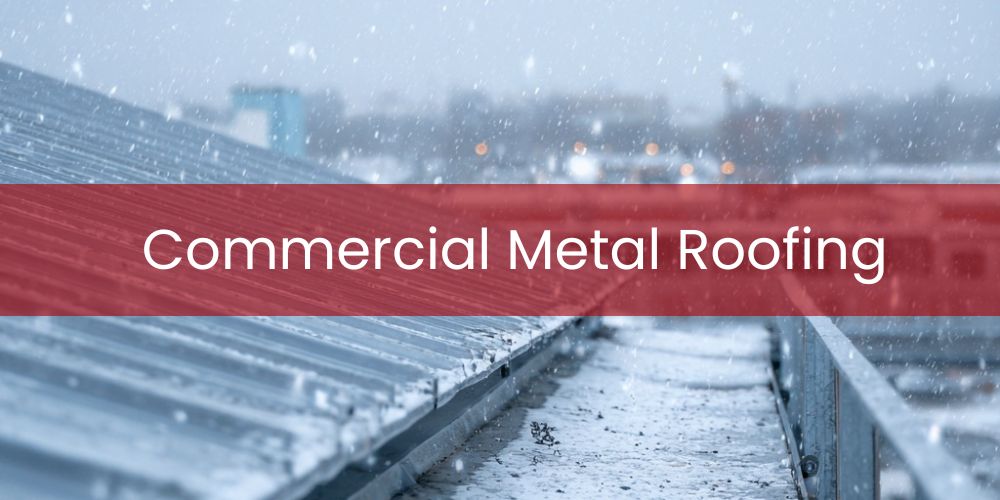
Commercial metal roofing is a durable roofing system constructed from steel or aluminum panels designed to provide long-term weather resistance, structural strength, and low lifecycle maintenance for commercial buildings. It performs especially well in environments exposed to temperature extremes, wind uplift, and long service-life demands, making it a strategic option for many commercial properties. Commercial Roofing Washington DC provides commercial metal roofing services throughout Washington DC. In Washington DC, commercial metal roofing can handle significant snow loads due to its strength and durability, but regular inspections are important to ensure structural integrity. Metal roofs are advantageous in snowy climates because of their smooth surfaces that facilitate snow shedding, reducing the risk of excess weight accumulation. However, despite their durability, extreme conditions can still pose challenges, so periodic maintenance and assessment of fasteners, seams, and supports is crucial for commercial buildings.
The heavier snowstorms experienced occasionally in Washington DC could place substantial stress on roofing structures, especially on flat or low-slope roofs where snow might accumulate unevenly. Effective snow management practices, including snow guards and routine inspections, are essential to prevent potential roof damage or collapse, which can result in significant repair costs for businesses. For commercial property owners and facility managers in Washington DC, understanding how metal roofs interact with snow loads is critical to maintaining a safe and effective roofing system. Below, we’ll delve into the intricacies of handling snow on commercial metal roofs, exploring best practices for maintenance and the advantages of metal roofing in Washington DC’s variable climate.
What Makes Commercial Metal Roofing Suitable for Washington DC's Climate?
Commercial metal roofing is ideal for Washington DC's climate due to its durability and weather resistance. The region experiences a mix of hot summers, cold winters, and frequent storms, making a robust and versatile roofing material necessary. Additionally, metal roofs can reflect solar heat, providing energy efficiency benefits in both warm and cold seasons. The following list outlines the key features that make metal roofing a perfect choice for Washington DC's climate:
- Weather Resistance: Shields against frequent storms and varying weather conditions in Washington DC.
- Energy Efficiency: Reflects heat, reducing cooling costs during hot summers.
- Durability: Sustains longevity through Washington DC's hot summers and cold winters.
- Maintenance: Minimal maintenance needed, ideal for busy DC businesses.
- Environmental Impact: Sustainable and eco-friendly due to recyclability and energy-saving properties.
1. Weather Resistance: Shields against frequent storms and varying weather conditions in Washington DC.
Weather resistance refers to a roof's ability to withstand various climate challenges without damage. In Washington DC, frequent storms and fluctuating weather demand a resilient roofing solution. Metal roofs excel in providing excellent protection from harsh weather, ensuring durability and longevity. Metal roofing materials are specially designed to endure heavy rain, strong winds, and hails, common in DC. This robust protection reduces the risk of leaks and structural damage, which can be costly to repair. Thus, businesses can save money on potential repairs and extend the longevity of their roofs.
2. Energy Efficiency: Reflects heat, reducing cooling costs during hot summers.
Energy efficiency in roofing refers to the roof's ability to reduce energy consumption for temperature regulation. In Washington DC, where hot, humid summers can raise cooling expenses, metal roofing can alleviate some of these costs. These roofs reflect sunlight, decreasing the amount of heat entering a building, thereby reducing the energy required for air conditioning. This reflective property can translate into substantial energy savings over time, making metal roofing an economically smart choice for commercial properties. Furthermore, improved energy efficiency contributes to a smaller carbon footprint, benefiting both businesses and the environment.
3. Durability: Sustains longevity through Washington DC's hot summers and cold winters.
Durability relates to the roof's capacity to maintain its integrity over long periods despite exposure to the elements. In the diverse climate of Washington DC, a roof must be tough enough to handle high temperatures, icy winters, and everything in between. Metal roofs are known for their exceptional durability, often lasting 40-70 years. The durability of metal roofing reduces the need for frequent replacements or repairs, directly translating to cost savings. This long-term resilience makes it an excellent investment for businesses that need a dependable roofing solution with a significant lifespan.
4. Maintenance: Minimal maintenance needed, ideal for busy DC businesses.
Maintenance involves the regular upkeep activities required to keep a roof in good condition. Metal roofs are low-maintenance, requiring fewer repairs and inspections than other types of roofing materials. For Washington DC businesses, this feature is particularly beneficial due to time constraints and the fast-paced business environment. Routine maintenance tasks for metal roofs generally include checking for debris build-up and minor aesthetic updates, which typically involve less downtime and expense. The reduced need for maintenance ensures businesses can focus resources and attention elsewhere without neglecting their roofing needs.
5. Environmental Impact: Sustainable and eco-friendly due to recyclability and energy-saving properties.
Environmental impact in roofing pertains to the overall ecological footprint of the roofing material and its sustainable qualities. Metal roofing is highly sustainable, offering significant environmental benefits through its recyclability and energy efficiency. At the end of its life cycle, metal roofing can be completely recycled, reducing waste in landfills. These roofs can lower energy use, contributing to reduced greenhouse gas emissions. Adopting metal roofing aligns with growing corporate responsibility trends toward sustainability, making it attractive for businesses aiming to improve their environmental performance in Washington DC.
Have a question about an upcoming project?
How Do Snow Loads Impact Commercial Metal Roofs in Washington DC?
Snow loads can significantly strain commercial metal roofs in Washington DC, potentially leading to structural issues. The weight of accumulated snow can cause stress on the roof's frame, which is exacerbated by the possibility of ice formation and potential water leaks during thawing. It's crucial for building owners to understand these impacts to implement preventative measures for roof longevity and occupant safety. Here's a detailed look at how snow loads affect commercial metal roofs in Washington DC:
- Structural Integrity: Excessive snow weight can stress roofing structures dramatically.
- Material Fatigue: Prolonged snow exposure may result in material deterioration over time.
- Thermal Expansion: Temperature fluctuations lead to roof expansion and contraction.
- Water Leakage: Ice dam formations can cause leaks and water damage inside buildings.
- Maintenance Costs: Increased during snow-heavy seasons for snow and ice removal.
1. Structural Integrity: Excessive snow weight can stress roofing structures dramatically.
Structural integrity refers to the ability of a roofing system to support loads without failure. Excessive snow accumulation on a commercial metal roof can lead to increased weight that stresses its structural framework. In Washington DC, where snow can be heavy during winter storms, ensuring that the roof system has enough strength to withstand these loads is critical. Regular inspections and reinforcements are often required in heavy snow areas to prevent structural failure under the weight of snow. This factor is crucial for ensuring the safety and longevity of commercial buildings.
2. Material Fatigue: Prolonged snow exposure may result in material deterioration over time.
Material fatigue refers to the weakening of roofing materials due to repeated stress and weather exposure. The continual presence of snow can accelerate this process by retaining moisture and causing thermal stress cycles. Metal roofs, while durable, can suffer over time without adequate drainage and insulation. Implementing materials designed to withstand harsh winter conditions can help mitigate material fatigue. This ensures the longevity of roofing components and reduces the risk of costly repairs or replacements.
3. Thermal Expansion: Temperature fluctuations lead to roof expansion and contraction.
Thermal expansion occurs when roofing materials expand and contract with temperature changes. In Washington DC, winters bring significant temperature fluctuations, causing metal roofs to constantly expand and contract. This can lead to loosening of fasteners and potential roof leaks. Understanding and designing for thermal movement can prevent damage. This might involve installing expansion joints or utilizing roofing materials with lower expansion coefficients.
4. Water Leakage: Ice dam formations can cause leaks and water damage inside buildings.
Water leakage is a common consequence of ice dam formation on roofs, where melting snow refreezes at the roof edge. When snow on the roof melts and refreezes, it can create ice dams that trap water, causing it to seep under roofing materials. This can lead to internal water damage and mold growth. In areas like Washington DC, installing proper insulation and ventilation is vital to prevent ice dam formation and subsequent leaks.
5. Maintenance Costs: Increased during snow-heavy seasons for snow and ice removal.
Maintenance costs refer to the expenses related to roof upkeep, especially in snow-heavy seasons. Commercial metal roofs require regular maintenance to clear snow and ice buildup, which prevents stress on the structure and potential damage. Investing in regular maintenance and snow removal services can prevent larger issues, reducing overall repair costs over time. Building owners benefit from lower long-term expenses by addressing these needs proactively.
What Strategies Can Be Implemented to Manage Snow Loads on Metal Roofs in Washington DC?
Proper snow load management on metal roofs involves snow guards, regular maintenance, and insulation improvements to prevent structural damage. Snow accumulation on roofs can lead to significant stress, which may cause leaks, structural compromise, or even collapse if not properly managed. Implementing effective strategies ensures the integrity and longevity of roofing systems in snowy climates. Here is an ordered list of strategies for managing snow loads on metal roofs, prioritized by importance:
- Install snow guards to prevent sudden snow slides.
- Ensure proper roof design to facilitate snow shedding.
- Conduct regular inspections and maintenance of the roof.
- Implement additional insulation to enhance thermal efficiency.
- Utilize heating cables to promote snow melting.
1. Install snow guards to prevent sudden snow slides.
In Washington DC, snow events are often followed by rapid temperature fluctuations that cause accumulated snow to loosen and release suddenly from smooth metal roof surfaces. Without control measures, this can result in sudden snow avalanching, which creates dynamic loads at eaves, damages gutters, and poses safety risks to people and equipment below. Snow guards function by mechanically interrupting the downhill movement of snow, breaking large snow masses into smaller, manageable sections rather than allowing a single high-force release. This controlled retention and staged shedding reduces peak load transfer to roof edges and attachments. For property owners, properly designed snow guard systems reduce liability risk, prevent collateral damage, and help maintain predictable structural loading during winter conditions.
2. Ensure proper roof design to facilitate snow shedding.
Snow accumulation on metal roofs is heavily influenced by roof slope, panel orientation, and structural load paths. Roofs that are improperly pitched or lack adequate structural consideration can experience uneven snow loading, leading to overstressed purlins, fasteners, or panel seams. Proper roof design manages snow loads by balancing controlled shedding with uniform load distribution across the structural system. In metal roofing, smooth panel finishes and continuous load paths allow snow to move gradually rather than accumulate in isolated drifts. When designed correctly, this reduces localized overstressing and minimizes the risk of deformation or structural fatigue. For building owners, this translates into improved structural reliability and reduced risk of costly winter-related repairs.
3. Conduct regular inspections and maintenance of the roof.
Repeated snow loading and melting cycles introduce stress at fasteners, seams, penetrations, and flashing details on metal roofs. If left unmonitored, minor issues such as loosened fasteners or compromised sealants can escalate into leaks once snow begins to melt and refreeze. Regular inspections allow these vulnerabilities to be identified before they become active failure points under snow load. Maintenance activities such as fastener retightening, sealant replacement, and drainage clearance ensure that the roof system performs as intended during winter conditions. For DC property managers, proactive inspections reduce emergency repair costs and help prevent snow-related failures that disrupt building operations.
4. Implement additional insulation to enhance thermal efficiency.
Ice dams form when heat loss from the building causes snow to melt unevenly, refreezing at colder roof edges and trapping additional snow and water behind it. On metal roofs, this can lead to localized load concentration and water intrusion at seams and penetrations. Improving insulation reduces heat transfer through the roof assembly, maintaining a colder and more uniform roof surface temperature. This limits melt–refreeze cycles and prevents ice dam formation that can increase snow retention and stress. For building owners in Washington DC, enhanced insulation not only improves winter roof performance but also delivers year-round energy efficiency benefits.
5. Utilize heating cables to promote snow melting.
In areas prone to repeated freeze–thaw cycles, snow and ice can block drainage paths on metal roofs, causing water to back up under panels or flashings. Heating cables provide targeted heat at eaves, valleys, and drainage points to keep meltwater moving and prevent ice buildup. Rather than melting entire snow loads, these systems focus on maintaining clear drainage channels, reducing hydrostatic pressure and ice-related stress on the roof assembly. When used selectively, heating cables serve as a supplemental control measure rather than a primary solution. For DC commercial properties, this approach minimizes winter water intrusion risks without relying on continuous, energy-intensive snow melting.
Need Help With Commercial Metal Roofing In Washington DC?
If you already know your metal roof needs repair, are starting to see early signs of leaks, corrosion, or fastener failure, or are simply evaluating whether metal roofing is the right long-term system for your building, Commercial Roofing Washington DC can help. We work with property owners, facility managers, and asset planners to assess existing metal roof conditions, explain repair, restoration, and replacement options clearly, and deliver solutions that account for DC’s climate, building use, and lifecycle cost considerations. Whether you need immediate corrective action, strategic guidance to plan capital expenditure, or expert insight before committing to a metal roofing system, Commercial Roofing Washington DC provides experienced, straightforward support backed by proven commercial metal roofing expertise.