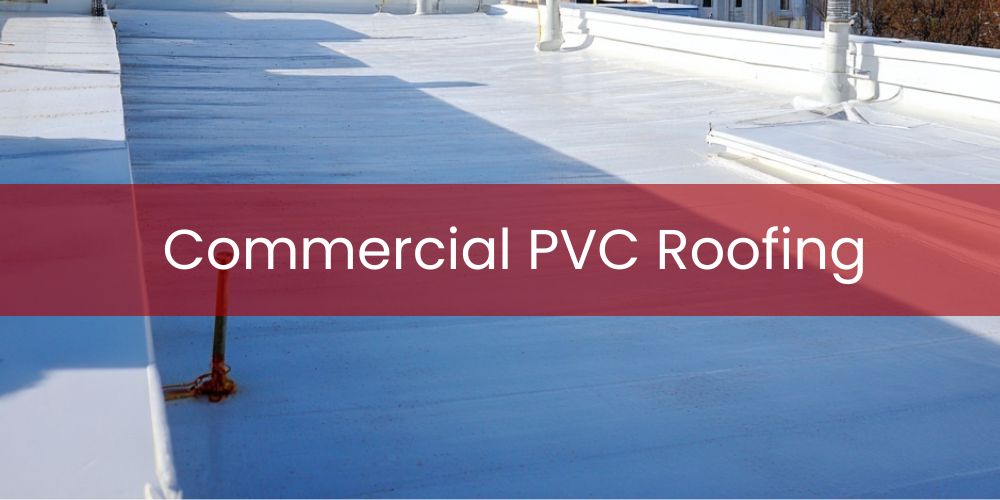
Commercial PVC roofing is a single-ply roofing system known for its exceptional chemical resistance, welded seam strength, and long-term durability on flat and low-slope commercial roofs. PVC membranes perform especially well in environments exposed to grease, chemicals, standing water, and temperature extremes, making them a reliable solution for demanding commercial applications. Commercial Roofing Washington DC provides commercial PVC Roofing services throughout Washington DC, delivering professional installation, repair, restoration, and replacement solutions tailored to the specific performance demands of each building. Commercial PVC roofing in Washington DC demonstrates strong urban pollution resistance, enabling buildings to maintain roof integrity despite high levels of air contaminants. The dense urban environment of Washington DC contributes to elevated levels of pollutants like soot and corrosive particles, but PVC roofs are designed to withstand these challenges with their durable and chemical-resistant properties. This resilience helps protect the roof surface from degradation and premature aging, ensuring long-term performance and reducing maintenance costs for commercial property owners.
In areas with significant air pollution, such as Washington DC, the material composition of PVC roofing plays a crucial role in defending against the corrosive effects of common urban pollutants. Its inherent flexibility and resilience make it an ideal choice for commercial roofs in the capital, where maintaining structural integrity in the face of pollution is essential for reducing energy costs and preventing water damage. For commercial building owners and facility managers in Washington DC, understanding the pollution resistance of PVC roofing is key to optimizing building performance and longevity. Below, we’ll examine the specific pollution challenges in Washington DC, explore how PVC roofing can address these issues, and provide expert insights on maintaining roof health in an urban environment.
What Is Commercial PVC Roofing and Why Is It Popular in Urban Areas?
Commercial PVC (Polyvinyl Chloride) roofing is a single-ply roofing membrane known for its durability and energy efficiency, making it popular in urban environments. Its popularity in cities is due to its high reflectivity, which helps reduce urban heat islands, and its robust resistance to pollutants and chemicals. Additionally, the ease of installation and low maintenance needs make PVC roofing an attractive option for urban commercial buildings. This robust solution is favored for several essential reasons in urban settings:
- Reflectivity: Reduces urban heat islands by reflecting sunlight thus aiding environmental comfort.
- Durability: Resistant to chemicals and pollutants found in urban environments, ensuring long-lasting performance.
- Ease of Installation: Lightweight materials facilitate quick installations reducing labor and downtime.
- Environmental Friendliness: Made from recyclable materials, aligning with urban sustainability initiatives.
- Low Maintenance: Requires minimal upkeep, offering cost-effective solutions for urban structures.
1. Reflectivity: Reduces urban heat islands by reflecting sunlight thus aiding environmental comfort.
Urban environments amplify heat due to dense building materials, limited airflow, and extensive paved surfaces, creating persistent urban heat island conditions. Roofing systems that absorb solar radiation increase rooftop temperatures, accelerating membrane aging and driving up cooling demand inside the building. PVC membranes are manufactured with high solar reflectance and thermal emittance, allowing them to reflect a significant portion of incoming solar radiation rather than absorbing it. This limits heat buildup at the roof surface and reduces thermal stress on both the membrane and the insulation below. For urban building owners, this results in lower cooling loads, reduced HVAC strain, and improved thermal comfort in top-floor spaces.
2. Durability: Resistant to chemicals and pollutants found in urban environments, ensuring long-lasting performance.
Durability in roofing refers to the ability to withstand wear, pressure, and damage. Urban roofs are routinely exposed to airborne pollutants, industrial residues, grease exhaust, and chemical runoff that accelerate material degradation. Many roofing systems degrade when exposed to oils, acids, or chemical contaminants, leading to membrane swelling, embrittlement, or seam failure. PVC roofing resists these failure modes due to its chemical formulation, which provides inherent resistance to a wide range of industrial chemicals, fats, and airborne pollutants. This resistance allows the membrane to maintain flexibility and seam integrity even in harsh urban atmospheres. As a result, PVC roofs deliver consistent long-term performance in environments where other membranes deteriorate prematurely.
3. Ease of Installation: Lightweight materials facilitate quick installations reducing labor and downtime.
The ease of installation refers to how quickly and efficiently a material can be put in place.Urban construction projects often face tight staging areas, restricted access, and strict timelines that increase labor complexity and cost. Heavy or multi-layer roofing systems can slow installation, increase crane time, and disrupt surrounding operations. PVC roofing systems are lightweight and installed in single-ply sheets that can be mechanically fastened, adhered, or induction-welded efficiently. Heat-welded seams create strong, consistent bonds without extended cure times. For building owners and developers, this allows faster project completion, reduced labor disruption, and minimized downtime in occupied urban buildings.
4. Environmental Friendliness: Made from recyclable materials, aligning with urban sustainability initiatives.
Environmental friendliness pertains to how a product impacts the environment during its lifecycle. In cities, environmental impact is heavily influenced by energy consumption, material replacement cycles, and compliance with sustainability standards. Roofing systems that degrade quickly or absorb excessive heat contribute to higher emissions and increased material waste. PVC roofing supports urban sustainability goals through its long service life, energy-reflective properties, and recyclability at the end of use. By reducing cooling demand and extending replacement intervals, PVC roofs lower the overall environmental footprint of commercial buildings. This helps property owners meet green building requirements while maintaining performance expectations in dense urban environments.
5. Low Maintenance: Requires minimal upkeep, offering cost-effective solutions for urban structures.
Low maintenance means the product requires little time, effort, and resources to keep it functional. Accessing rooftops in urban areas is often logistically difficult due to height, limited access points, and safety requirements. Roofing systems that require frequent inspections, recoating, or repairs increase operational burden and cost. PVC roofing minimizes these challenges through heat-welded seams that resist separation and a smooth surface that sheds debris and contaminants easily. Routine maintenance typically involves visual inspections and basic cleaning rather than invasive repairs. For urban property managers, this reduces long-term maintenance costs and simplifies roof management where access and downtime are costly.
Have a question about an upcoming project?
How Does Commercial PVC Roofing Combat Urban Pollution in Washington DC?
Commercial PVC roofing can mitigate urban pollution by reducing heat absorption and enhancing energy efficiency. In Washington DC, these roofs play a crucial role in lowering urban temperatures and thereby decreasing energy consumption related to cooling. The use of PVC roofing helps promote a healthier environment by offsetting some of the adverse effects of urban heat islands. Here's how commercial PVC roofing helps combat urban pollution in Washington DC:
- Reflective Surface: Minimizes heat absorption, lowering urban heat island effects.
- Energy Efficiency: Reduces cooling needs, cutting down on energy use and emissions.
- Longevity: Durable under urban conditions, minimizing waste through fewer replacements.
- Reduced Chemical Emissions: Lowers the contribution to smog formation in urban areas.
- Recyclability: Offers sustainable disposal options, reducing landfill impact and pollution.
1. Reflective Surface: Minimizes heat absorption, lowering urban heat island effects.
A reflective surface is a material that reflects more sunlight and absorbs less heat. In dense urban environments like Washington DC, dark or absorptive roofing surfaces store solar energy during the day and release it slowly, raising ambient air temperatures and intensifying the urban heat island effect. PVC membranes are manufactured with inherently light-colored, high-reflectance surfaces that limit solar heat gain at the roof level. By keeping roof surface temperatures significantly lower, PVC roofing reduces localized heat buildup that would otherwise increase cooling demand and worsen urban air quality. This reduction in rooftop heat directly contributes to lower ambient temperatures and helps mitigate one of the primary drivers of pollution-related smog formation in city centers.
2. Energy Efficiency: Reduces cooling needs, cutting down on energy use and emissions.
Energy efficiency involves using less energy to perform the same task, thus reducing energy waste. In Washington DC, elevated rooftop temperatures translate into higher cooling loads, forcing HVAC systems to operate longer and draw more electricity during peak demand periods. PVC roofing limits this effect by reducing heat transfer into the building envelope, allowing interior spaces to remain cooler with less mechanical cooling. Lower energy demand reduces reliance on power generation during peak hours, which are often supplied by fossil-fuel-based sources. As a result, buildings with PVC roofing contribute fewer indirect emissions, supporting cleaner urban air and lower overall pollution output.
3. Longevity: Durable under urban conditions, minimizing waste through fewer replacements.
Longevity refers to a material's ability to last for a long time without degrading. Urban roofs are exposed to chemical pollutants, acid rain, airborne particulates, and frequent maintenance traffic, all of which accelerate deterioration in less resistant roofing systems. PVC membranes resist these stressors due to their chemical stability and reinforced construction, which slows degradation caused by pollutants and standing contaminants. Because the roof remains functional for longer periods, fewer tear-offs and replacements are required over the building’s lifecycle. This extended service life reduces construction waste, manufacturing demand, and transportation emissions associated with frequent roof replacement in urban environments.
4. Reduced Chemical Emissions: Lowers the contribution to smog formation in urban areas.
Reduced chemical emissions mean fewer harmful substances are released into the atmosphere. Urban air pollution is exacerbated by materials that degrade under heat and UV exposure, releasing volatile organic compounds that contribute to smog formation. PVC roofing membranes are formulated to maintain stability under prolonged UV exposure and high surface temperatures, limiting ongoing emissions once installed. Additionally, reduced cooling demand lowers indirect emissions from power generation facilities. Together, these factors decrease the overall contribution of commercial buildings to smog-producing pollutants in Washington DC.
5. Recyclability: Offers sustainable disposal options, reducing landfill impact and pollution.
Recyclability refers to a material's potential to be recycled and reused, reducing waste. In urban areas where landfill space is limited and waste transport increases environmental burden, roofing materials that can be reclaimed offer a significant advantage. PVC roofing membranes can be collected at the end of their service life and reprocessed into new products, reducing the volume of material sent to landfills. This closed-loop potential lowers long-term pollution associated with disposal and raw material extraction. For cities like Washington DC, recyclability supports broader waste reduction goals while minimizing the environmental footprint of commercial construction.
What Are the Long-Term Benefits of Choosing PVC Roofing for Commercial Buildings in Polluted Cities?
PVC roofing offers extended durability and energy efficiency, proving advantageous in pollution-heavy environments. The material's resistance to chemical damage and pollutants makes it particularly suitable for urban areas with high smog levels. Additionally, its reflective properties can help mitigate the urban heat island effect, making it a sustainable choice. Let's explore the key long-term benefits of selecting PVC roofing for commercial buildings in polluted cities:
- Pollution Resistance: Effectively withstands chemical degradation from air pollutants.
- Energy Efficiency: Lower internal temperatures reduce energy consumption and HVAC costs.
- Durability: Maintains structural integrity despite exposure to harsh environmental factors.
- Low Maintenance: Requires minimal upkeep, ideal for urban settings with high pollution.
- Fire Resistance: Provides additional safety in dense, pollution-prone cities.
1. Pollution Resistance: Effectively withstands chemical degradation from air pollutants.
Pollution resistance refers to a material's ability to resist deterioration caused by environmental contaminants. In polluted cities, roofing systems are continuously exposed to airborne chemicals such as sulfur dioxide, nitrogen oxides, and acidic particulates that accelerate material breakdown through chemical attack and surface oxidation. PVC roofing resists these conditions because its membrane is chemically inert to many industrial pollutants and does not absorb airborne contaminants that degrade asphalt-based or unprotected polymer systems. This resistance prevents surface erosion, seam weakening, and premature membrane failure. Over the long term, commercial buildings benefit from stable roof performance in aggressive urban atmospheres, avoiding pollution-driven degradation that shortens service life.
2. Energy Efficiency: Lower internal temperatures reduce energy consumption and HVAC costs.
Energy efficiency in roofing refers to the ability to maintain a stable and comfortable internal environment while minimizing energy usage. In dense urban environments, trapped heat and smog intensify rooftop temperatures, increasing thermal gain and HVAC demand. PVC roofing membranes are manufactured with high solar reflectance, which limits heat absorption at the roof surface and reduces heat transfer into the building envelope. By lowering rooftop temperatures, the roofing system reduces cooling loads and prevents heat-related stress on insulation and mechanical systems. For building owners, this results in sustained reductions in energy consumption, lower HVAC operating costs, and improved indoor comfort over the building’s lifespan.
3. Durability: Maintains structural integrity despite exposure to harsh environmental factors.
Durability is the capacity to endure wear, pressure, or damage while maintaining functional performance. In polluted cities, roofing systems face a combination of chemical exposure, UV radiation, thermal cycling, and moisture-related stress that accelerates material fatigue. PVC roofing maintains durability because its reinforced membrane structure resists cracking, chemical softening, and UV-driven embrittlement that commonly affect other systems. Welded seams further prevent pollutant ingress at joints, which are typical failure points in urban environments. This allows the roof to perform consistently under sustained environmental stress, reducing premature failures and extending usable service life.
4. Low Maintenance: Requires minimal upkeep, ideal for urban settings with high pollution.
Low maintenance implies that a material remains functional and attractive with minimal care and repair. In polluted urban areas, roofing systems often accumulate grime, airborne residues, and chemical deposits that accelerate surface degradation and complicate inspections. PVC roofing’s smooth, non-porous surface resists contaminant buildup and does not readily absorb pollutants, allowing debris to be removed through routine cleaning rather than intensive remediation. Additionally, heat-welded seams reduce the need for frequent seam resealing or patching. For commercial properties, this minimizes maintenance labor, reduces service disruptions, and lowers long-term operating costs.
5. Fire Resistance: Provides additional safety in dense, pollution-prone cities.
Fire resistance in roofing materials denotes their ability to withstand and slow the spread of fire. In dense urban environments, pollution, industrial activity, and rooftop equipment increase fire risk and regulatory scrutiny. PVC roofing membranes are inherently flame-retardant and self-extinguishing, meaning they resist ignition and do not contribute fuel once the ignition source is removed. This characteristic limits flame spread across the roof surface and reduces the likelihood of fire propagation between adjacent structures. For building owners in pollution-heavy cities, this enhances overall building safety, supports code compliance, and can positively influence insurance risk profiles.
Need Help With Commercial PVC Roofing In Washington DC?
If you already know your roof requires action, are beginning to question whether your current system is holding up under chemical exposure or ponding water, or simply want expert guidance before committing to a major decision, Commercial Roofing Washington DC is ready to help. We work closely with property owners, facility managers, and asset planners to evaluate roof conditions, explain PVC suitability clearly, and recommend solutions that align with both operational needs and long-term cost control. Whether you need immediate intervention or strategic advice to plan ahead with confidence, Commercial Roofing Washington DC provides the expertise and clarity needed to move forward with the right PVC roofing solution for your building.