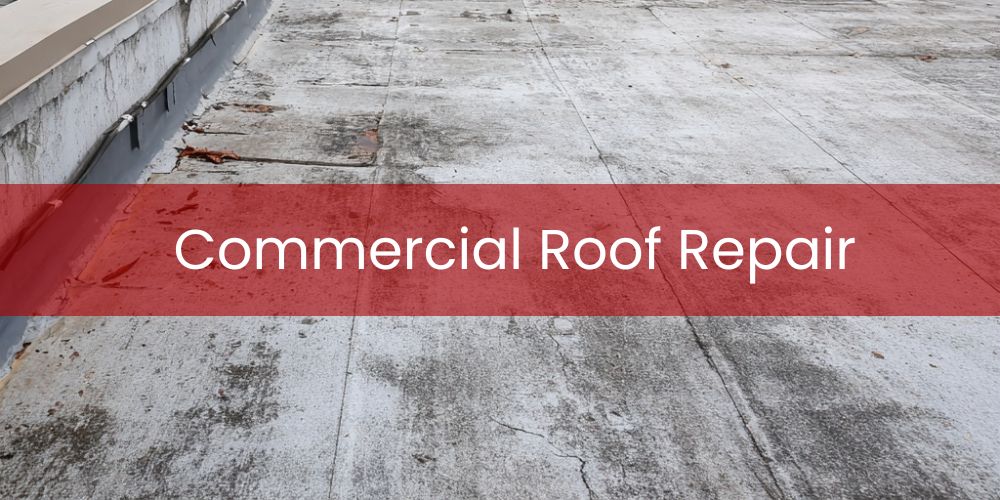
Commercial roof repair involves identifying and correcting localized damage within an existing commercial roofing system to restore waterproofing performance, structural integrity, and service life. It focuses on addressing issues such as membrane failure, seam separation, flashing defects, punctures, and moisture intrusion before they escalate into larger system-wide problems. Commercial Roofing Washington DC provides professional commercial roof repair services for commercial buildings throughout Washington DC, tailored to flat and low-slope roofing systems commonly used across offices, warehouses, multifamily properties, and institutional facilities.
In Washington DC, common commercial roof repair issues include leaks from severe weather, ponding water, and damage due to fluctuating temperatures, which can lead to costly structural problems if not promptly addressed. The mix of hot, humid summers and cold winters in Washington DC exacerbates wear and tear on roofing materials, making timely repairs essential to maintaining the roof's integrity. High humidity and frequent rainfall contribute to ponding water and leaks, while fluctuating temperatures cause thermal expansion and contraction that can damage membranes and sealants.
Commercial building owners and facility managers in Washington DC must stay proactive about roof maintenance to prevent minor issues from escalating into major repairs. In this blog, we’ll delve into the specific roofing challenges faced in Washington DC and outline effective strategies for repairing and maintaining commercial roofs in this diverse climate.
What Are the Most Common Commercial Roof Issues in Washington DC?
Common commercial roof issues in Washington DC include water pooling, flashing failures, and membrane punctures. Due to the area's varying climate, these problems can lead to leaks and structural damage if not addressed promptly. Proper maintenance and timely inspections are key to mitigating roof issues in the capital region. Common commercial roof issues can significantly impact the longevity and performance of a building's roofing system. In Washington DC, certain challenges are more prevalent due to the local climate conditions, building styles, and urban environment.
- Ponding Water: Causes leaks and structural damage from the excess weight on the roof.
- Flashing Failures: Result in water infiltration at rooftop intersections and edges.
- Punctured Membranes: Lead to leaks from rooftop equipment, foot traffic, or severe weather.
- UV Damage: Degrades roofing materials, reducing lifespan under intense sunlight exposure.
- Roof Shrinkage: Causes cracking or pulling of seams due to material contraction over time.
1. Ponding Water: Causes leaks and structural damage from the excess weight on the roof.
Ponding water is the accumulation of water that remains on a roof surface for more than 48 hours after rainfall. In Washington DC, heavy rain events combined with flat or low-slope commercial roof designs frequently create conditions where water cannot drain efficiently. Prolonged standing water increases hydrostatic pressure on membranes, seams, and penetrations, accelerating material fatigue and exploiting minor defects. Over time, ponding can lead to membrane deterioration, insulation saturation, and increased structural loading. If not corrected through improved drainage or slope adjustments, ponding water becomes a primary driver of chronic leaks and premature roof failure.
2. Flashing Failures: Result in water infiltration at rooftop intersections and edges.
Flashing failures occur when materials designed to seal roof transitions and penetrations lose their ability to prevent water entry. Commercial roofs contain numerous vulnerable transition points, including parapet walls, HVAC curbs, drains, and expansion joints. In Washington DC’s climate, repeated thermal expansion and contraction, combined with UV exposure and moisture, cause flashing materials to crack, pull away, or lose adhesion. Unlike field membrane leaks, flashing failures allow water to bypass the roofing system entirely and enter the building at critical junctions. These failures often lead to concealed water damage within walls and insulation before interior leaks become visible.
3. Punctured Membranes: Lead to leaks from rooftop equipment, foot traffic, or severe weather.
Punctured membranes occur when the roof’s primary waterproofing layer is physically breached. In urban environments like Washington DC, commercial rooftops experience frequent foot traffic for equipment servicing, inspections, and maintenance. Dropped tools, unsecured equipment, wind-blown debris, or hail impacts can puncture or tear the membrane surface. Once compromised, water can migrate laterally beneath the membrane, traveling far from the original puncture before appearing inside the building. This makes leaks difficult to trace and often results in widespread insulation damage if not repaired promptly.
4. UV Damage: Degrades roofing materials, reducing lifespan under intense sunlight exposure.
UV damage is the breakdown of roofing materials caused by prolonged exposure to ultraviolet radiation. Washington DC experiences long periods of intense summer sunlight, which accelerates oxidation and material embrittlement in many commercial roofing systems. Over time, UV exposure reduces membrane flexibility, causes surface cracking, and weakens protective coatings. As materials lose elasticity, they become less capable of accommodating thermal movement, increasing the likelihood of splits and seam failures. Without UV-resistant membranes or protective coatings, roofs age faster and require earlier repair or replacement.
5. Roof Shrinkage: Causes cracking or pulling of seams due to material contraction over time.
Roof shrinkage is the gradual contraction of certain roofing materials over time, often driven by temperature changes and material composition. In Washington DC’s fluctuating climate, repeated heating and cooling cycles place stress on membranes that are susceptible to shrinkage. As materials contract, tension builds at seams, penetrations, and perimeter edges, leading to cracking or pulling away from flashings. Shrinkage-related failures are particularly problematic because they compromise large sections of the roof system rather than isolated areas. If left unaddressed, shrinkage can result in widespread leakage and reduced overall roof stability.
Have a question about an upcoming project?
How Can You Identify The Signs of Roof Damage Early In Washington DC?
Early identification of roof damage on commercial buildings involves systematically inspecting roofing components, drainage systems, and structural indicators for signs of stress or failure before leaks or structural issues develop. Because commercial roofs are typically flat or low-slope and support equipment, early warning signs often appear subtly and worsen rapidly if ignored. Proactive inspections are especially important in Washington DC, where seasonal temperature swings, heavy rainfall, and freeze–thaw cycles accelerate roof deterioration.
- Membrane Surface Condition: Identify splits, punctures, or surface degradation.
- Flashing and Penetration Integrity: Check transitions, edges, and rooftop equipment.
- Interior Water Indicators: Monitor ceilings, walls, and structural elements
- Drainage Performance: Observe water flow and ponding behavior.
- Structural Deflection or Soft Spots: Detect underlying deck or insulation failure
1. Membrane Surface Condition: Identify splits, punctures, or surface degradation
Membrane surface condition refers to the physical integrity of the primary waterproofing layer on a commercial roof.
Commercial roofs rely on membranes such as TPO, PVC, EPDM, or modified bitumen to create a continuous watertight barrier. Surface damage such as punctures from foot traffic, seam separation, blistering, or material cracking, creates direct entry points for water. Even minor surface defects can allow moisture to migrate laterally beneath the membrane, making early detection critical. Routine surface inspections help identify damage before insulation becomes saturated or leaks manifest inside the building.
2. Flashing and Penetration Integrity: Check transitions, edges, and rooftop equipment
Flashing integrity refers to the condition of materials that seal roof edges, penetrations, and transitions. On commercial roofs, flashing failures are one of the most common early indicators of roof problems because these areas experience concentrated movement, thermal stress, and water flow. Deteriorated or improperly secured flashing around HVAC units, drains, parapet walls, and skylights allows water to bypass the membrane system entirely. Identifying loose, cracked, or aged flashing early prevents concealed water intrusion that often goes unnoticed until significant interior damage occurs.
3. Interior Water Indicators: Monitor ceilings, walls, and structural elements
Interior water indicators are visible signs inside the building that suggest active or developing roof leaks. In commercial buildings, roof leaks often appear as ceiling stains, wall discoloration, corrosion on structural steel, or damp insulation above ceiling tiles. Because water can travel far from the original entry point on flat roofs, these indicators may not align directly with surface damage. Early recognition of interior moisture allows roofing professionals to trace leak paths before widespread insulation saturation or mold growth occurs.
4. Drainage Performance: Observe water flow and ponding behavior.
Drainage performance refers to how effectively a commercial roof removes water after rainfall. Poor drainage is a leading early warning sign of roof failure on flat and low-slope systems. Blocked drains, damaged scuppers, or insufficient slope cause ponding water, which increases hydrostatic pressure on seams and penetrations. Persistent standing water accelerates membrane degradation and exposes minor defects. Monitoring drainage behavior after storms helps identify problems before they lead to chronic leaks or structural stress.
5. Structural Deflection or Soft Spots: Detect underlying deck or insulation failure
Structural deflection refers to areas where the roof surface depresses or feels spongy underfoot. On commercial roofs, soft spots often indicate saturated insulation, deteriorated decking, or prolonged moisture exposure beneath the membrane. These conditions compromise load-bearing capacity and significantly increase leak risk. Early detection through walk-through inspections allows targeted repairs before structural components are weakened further. Addressing deflection early helps avoid costly deck replacement and prevents progressive roof failure.
What Are the Best Practices for Repairing and Maintaining Commercial Roofs In Washington DC?
Best practices for repairing and maintaining commercial roofs focus on preventing failure at system weak points before they lead to water intrusion, structural damage, or operational disruption. Because commercial roofs typically have large surface areas, low slopes, rooftop equipment, and complex drainage systems, minor issues can escalate rapidly if not addressed methodically. Effective maintenance is therefore less about cosmetic upkeep and more about controlling known failure mechanisms over time. The following best practices reflect how commercial roofing systems actually deteriorate and how that deterioration is most effectively managed.
- Regular Inspections: Identify DC-Specific Damage Before It Escalates
- Timely Repairs: Prevent Small DC Climate Defects from Becoming Systemic Failures
- Proper Cleaning: Maintain Drainage Performance Under Heavy DC Rainfall
- Roof Coatings: Mitigate UV, Moisture, and Thermal Stress Common in DC
- Professional Consultation: Address DC-Specific Building and Code Complexities
1. Regular Inspections: Identify DC-Specific Damage Before It Escalates
Regular inspections involve scheduled evaluations of a commercial roof to identify early signs of deterioration caused by environmental and operational stress. In Washington DC, commercial roofs are repeatedly exposed to moisture loading, thermal cycling, and storm-driven debris, all of which accelerate seam fatigue, flashing failure, and membrane wear. Inspections conducted at least twice per year—ideally in spring and fall—allow building owners to detect issues such as ponding water, membrane splitting, deteriorated sealants, or compromised rooftop penetrations before they develop into active leaks. Post-storm inspections are especially critical in DC, where damage often occurs incrementally rather than as a single catastrophic event.
2. Timely Repairs: Prevent Small DC Climate Defects from Becoming Systemic Failures
Timely repairs involve addressing identified roof defects immediately rather than deferring corrective action. In Washington DC’s climate, even minor defects can worsen rapidly due to humidity, repeated rainfall, and freeze–thaw cycles that force water into seams and micro-cracks. A small membrane breach or flashing defect that might remain dormant in drier climates can quickly lead to insulation saturation and interior leaks in DC. Prompt repairs interrupt this progression, preventing moisture migration beneath the roofing system and avoiding costly, wide-area damage that disrupts commercial operations.
3. Proper Cleaning: Maintain Drainage Performance Under Heavy DC Rainfall
Proper cleaning refers to the removal of debris, biological growth, and contaminants that interfere with roof drainage and surface performance. Washington DC experiences frequent heavy rain events, making unobstructed drainage critical on flat and low-slope commercial roofs. Debris accumulation around drains, scuppers, and roof edges leads to ponding water, increased hydrostatic pressure, and accelerated membrane degradation. Regular cleaning—particularly after fall leaf drop and major storms—helps ensure water exits the roof as designed, reducing leak risk and structural loading.
4. Roof Coatings: Mitigate UV, Moisture, and Thermal Stress Common in DC
Roof coatings are fluid-applied protective systems designed to extend roof life by shielding existing membranes from environmental stress. In Washington DC, intense summer UV exposure, high humidity, and thermal expansion place continuous strain on commercial roofing systems. Properly selected coatings can reduce surface temperatures, slow material oxidation, and provide an additional waterproofing layer that limits moisture intrusion. When applied as part of a planned maintenance strategy—not as a last resort—roof coatings help delay replacement cycles and improve overall system resilience under DC’s climate conditions.
5. Professional Consultation: Address DC-Specific Building and Code Complexities
Professional consultation involves engaging qualified commercial roofing specialists to assess, plan, and execute maintenance and repairs. Washington DC’s commercial buildings often feature complex roof geometries, aging infrastructure, rooftop equipment congestion, and strict regulatory requirements. Experienced local roofing professionals understand how DC’s climate, building codes, and inspection standards intersect, allowing them to identify risks that generic checklists miss. Professional oversight ensures repairs are technically correct, code-compliant, and aligned with long-term asset management rather than short-term fixes.
Need Help With Commercial Roof Repair In Washington DC?
If you already know your commercial roof needs immediate repair, suspect developing issues after storms or seasonal wear, or simply want expert confirmation before small problems become costly failures, Commercial Roofing Washington DC can help. We work directly with property owners, facility managers, and asset planners to assess damage accurately, explain repair options clearly, and implement solutions that restore performance while controlling long-term costs. Whether you need urgent repairs, preventative intervention, or guidance on the most practical next steps, Commercial Roofing Washington DC is ready to support your commercial roof with clarity, accountability, and proven expertise.